Sustainable European food systems using microorganisms – the SIMBA Project

Press release: December 2018
A ground-breaking new project funded by the European Union will explore the potential of exploiting microorganisms in plants and animals to improve food security and promote sustainable food production. The project, SIMBA (Sustainable Innovation of Microbiome Applications in Food System), aims to tackle the growing challenge of supplying food to a growing global population amidst the climate change crisis, through innovative activities around food systems using microorganisms.
The project marks the beginning of a unique plan that will explore the value and potential of microbiomes in our food production systems. Microbiomes are a community of microorganisms such as bacteria, fungi, and viruses that inhabit a particular environment. These communities play a vital role in the productivity and health of plants and animals. Exploitation of the communities in species used as food sources could then lead to the creation of healthier, more stable and secure crops and livestock.
At the recent kick-off meeting in Helsinki in mid-December, SIMBA Project Coordinator and Principal Scientist Anne Pihlanto from LUKE, Natural Resources Institute Finland, said: “Recent research has indicated the huge impact microbiomes have on our lives. This makes SIMBA a very exciting project to be involved in. The project will have far-reaching impacts, not only contributing to improved food security, but the development of sustainable diets and novel fermented products are also expected to potentially function as a cure for type 2 diabetes."
SIMBA will focus on two interconnected food chains: crop production and aquaculture. Microbial soil fertility and plant defence will be studied, especially for dry areas susceptible to erosion. The potential of marine microbiomes to boost algal biomass, to facilitate natural feed production and to reduce large use on antibiotics will be studied. Exploration and exploitation of microbiomes are instrumental for the development of new healthier food and feed products. Microbes can also be applied as ingredients to food to improve gut microflora and to ensure a better uptake of nutrients.
As the world population increases and the global climate is changing, the supply of food will become a growing problem. Worldwide, the demand for food and for agricultural produce is predicted to increase by up to 70% by 2050. There is an urgent need to create and develop new food production systems which meet this growing demand for food. SIMBA’s innovative approach will add to a growing body of research aimed at stimulating food production not only in Europe, but in global regions where food insecurity has been an ongoing issue. These regions, as well as those which are beginning to feel these negative impacts, are expected to benefit from the project’s findings.
More information coming soon on www.simbaproject.eu Follow us on twitter: @SIMBAproject_EU

Members of the SIMBA consortium at the project’s kick-off meeting in Helsinki in December 2018 (Photo credit: Erkki Oksanen, LUKE)
ASSEMBLE Plus opens its third call for transnational access to its marine biological research stations

Press release: December 2018
ASSEMBLE Plus is a European Union-funded consortium of more than 30 marine biological stations and research institutes in 16 countries. Within the Transnational Access programme, (TA) ASSEMBLE Plus marine stations provide scientists and PhD students with free-of-charge access to their biological resources, facilities, services, and data.
The first two calls have already resulted in more than one hundred short-term research visits of users from all over the world, with many stories of success. One of our TA users, Diana Catarino (University of the Azores, Portugal) stated:
"My project focused on the ichthyoplankton biodiversity on an Atlantic seamount using DNA metabarcoding. ASSEMBLE Plus gave me the opportunity to access cutting-edge high throughput sequencing platforms that are not present in my institute but available at Stazione Zoologica Anton Dohrn of Naples (SZN), Italy. The project has been very successful with more than five million sequences generated. The use of the facilities together with the expertise and advice from the local team of researchers were key factors in improving the likelihood of success of my research project”.
The next call for applications will open on 21 January 2019, and close on 17 February 2019. If you wish to apply, please check out how our Access Providers can serve your research needs. The application process involves submitting a short proposal that specifies the scientific context of your research, a research plan, and why you have chosen the access provider. You are encouraged to contact the Access Provider of your choice to explore the feasibility of your proposal. Submitted applications will be peer-reviewed by external experts. Applicants will be informed of the outcome within six weeks of the submission deadline.
If your proposal is successful, your chosen Access Provider will give you access to their labs and facilities at no cost (expensive consumables may incur a charge). Visits can last for up to 30 days and can include up to two persons per project. ASSEMBLE Plus also covers the costs of travel, accommodation and meals, within certain limits.
For more information on the call, including eligibility and how to apply, visit www.assembleplus.eu/access/transnational-access. For specific requests, please contact the Access Officer (access@embrc.eu).
Download the announcement flyer at: http://www.assembleplus.eu/3rd_call_for_access.
European Chefs Battle it Out in Design for Sustainable Seafood Dishes

Press release: February 2019
Aspiring chefs from Europe’s top catering schools are competing at national and European level to create innovative, exciting seafood recipes that will satisfy the taste buds of European consumers. The winning recipes, selected by consumers, will be adapted for production in restaurants, hotels and canteens, with the support of the EU-funded SEAFOODTOMORROW project. Sustainability is key and competitors are required to use locally-sourced fish that have been long-neglected on supermarket shelves. The recipes will also cater specifically to pregnant women, older people and children, groups which are shown to benefit from seafood dishes with specific nutritional profiles.
Dr. António Marques, SEAFOODTOMORROW coordinator, explains, “Seafood is one of the most important sources of animal protein, and is naturally rich in vitamins (A, D3, B12), minerals (iodine, selenium) and fatty acids (polyunsaturated fatty acids) that can reduce the risk of heart disease and stroke. We are designing fish dishes that appeal to specific consumer groups, which are also nutritionally balanced”.
By selecting sustainably sourced but rarely-used fish in local regions, researchers from the project are hoping to promote seafood consumption across Europe that is socially, economically and environmentally sustainable. With the ever-increasing demand for seafood from the world’s growing population, providing seafood safely and sustainably for the global market has become a major challenge. The SEAFOODTOMORROW project addresses this by developing innovative solutions for improving the safety and dietary properties of seafood in Europe.
The first of six national contests was held in Lisbon, Portugal in December 2018, and the next event will take place on 20 February 2019 in Barcelona, Spain. Competitions will also take place throughout March and April in in Belgium, France, Poland and Sweden. Six different seafood dishes will be selected from each national contest and will advance to the European competition to be held in June 2019. During the series of one-day events, students will battle to impress a panel of judges made up of researchers, food industry experts and media figures, creating dishes using sustainable species from their region which aren’t often eaten, such as chub and horse mackerel, and gilthead seabream. The winning dishes will be selected based on a number of criteria, including their economic feasibility and scalability, sustainability, and how well they met the needs of the target consumers.
“We believe our seas and oceans can feed the growing global population, but we need to do it in a sustainable way”, explains Dr. Marques. By helping consumers to make more responsible seafood choices, it is hoped that the recipe contest will contribute to a more sustainable seafood market, and more sustainable ocean resources in the longer term.
Follow the competition on www.seafoodtomorrow.eu where the winning dishes will be announced – stay tuned!
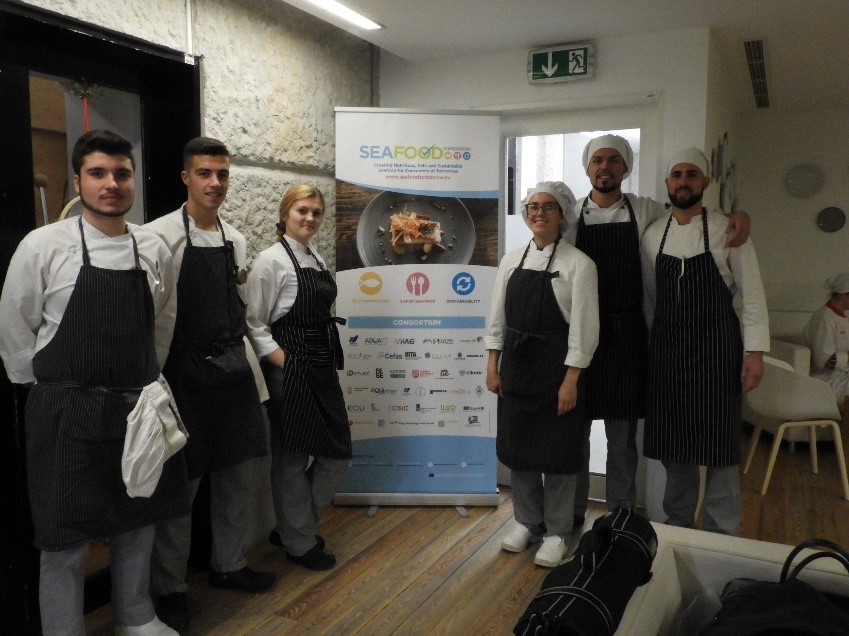
Participants at the first SEAFOODTOMORROW Recipes Challenge in Lisbon, Portugal.
New research to protect human and environmental health focuses on improved testing for Endocrine Disrupting Chemicals
Press release: March 2019
A timely new project funded by the European Union (EU) will explore how to improve current testing tools for Endocrine Disrupting Chemicals (EDCs), particularly for chemicals that are less studied so far. Launched in January, the ERGO project aims to break down the wall between human health and environmental testing of endocrine disrupters and focuses on EndocRine Guideline Optimisation.
EDCs are mostly man-made, found in various materials such as pesticides, metals, additives or contaminants in food, and in personal care products. EDCs produce adverse effects via a disruption of the human body’s endocrine (hormone) system, and they are suspected to be associated with altered reproductive function in males and females; increased incidence of breast cancer; abnormal growth patterns and neurodevelopmental delays in children, as well as changes in immune function. Human exposure to EDCs can occur via ingestion of food, dust and water, via inhalation of gases and particles in the air, and through the skin.
In the EU, criteria have been developed to identify pesticides, biocides and other chemicals with endocrine disrupting properties. However, current testing tools do not always appropriately identify effects, particularly those related to certain less-studied or newly emerging EDCs. New and improved approaches are urgently needed to better protect human and environmental health against the hazards of EDCs. At the recent project kick-off meeting in Antwerp (Belgium) at the end of January, ERGO Project Coordinator Henrik Holbech from the University of Southern Denmark (SDU), explained that “ERGO works with a ground-breaking approach, aiming to break down the barrier which currently exists between the different research fields that investigate adverse effects of EDCs in different vertebrate classes, from fish and amphibians (non-mammalian vertebrates) to humans (mammalian vertebrates). Now, regulatory procedures for identification and assessment of EDCs are separated for human health and the environment. This means that useful data from non-mammalian vertebrate research tests have so far been disregarded in human health research and vice versa”.
Implementation of the ERGO Integrated Approach to Testing and Assessment (IATA) strategy in regulations of EDCs will make hazard assessment faster, cheaper, simpler and safer. It will support industry in the development of EDC-free products benefitting both the environment and human health.
Henrik Holbech adds: “ERGO brings together a strong team of multidisciplinary experts from industry, regulatory bodies and research institutes involving 16 partners from Europe, Japan and the United States. ERGO is expected to have far-reaching impacts, not only contributing to improved testing and guidelines, but also contributing to the regulation of EDCs, protecting human and environmental health".
ERGO is part of a cluster of eight research projects from the Call ‘New Testing and Screening Methods to Identify Endocrine Disrupting Chemicals’ funded by the EU Horizon 2020 Research and Innovation programme. Each project is concentrating on a different aspect of new testing and screening methods identifying EDCs. The Joint Launch Event of Projects was held at the European Commission in Brussels on 31st January 2019.
More information coming soon at: www.ergo-project.eu. Follow us on Twitter: @ERGO_EU
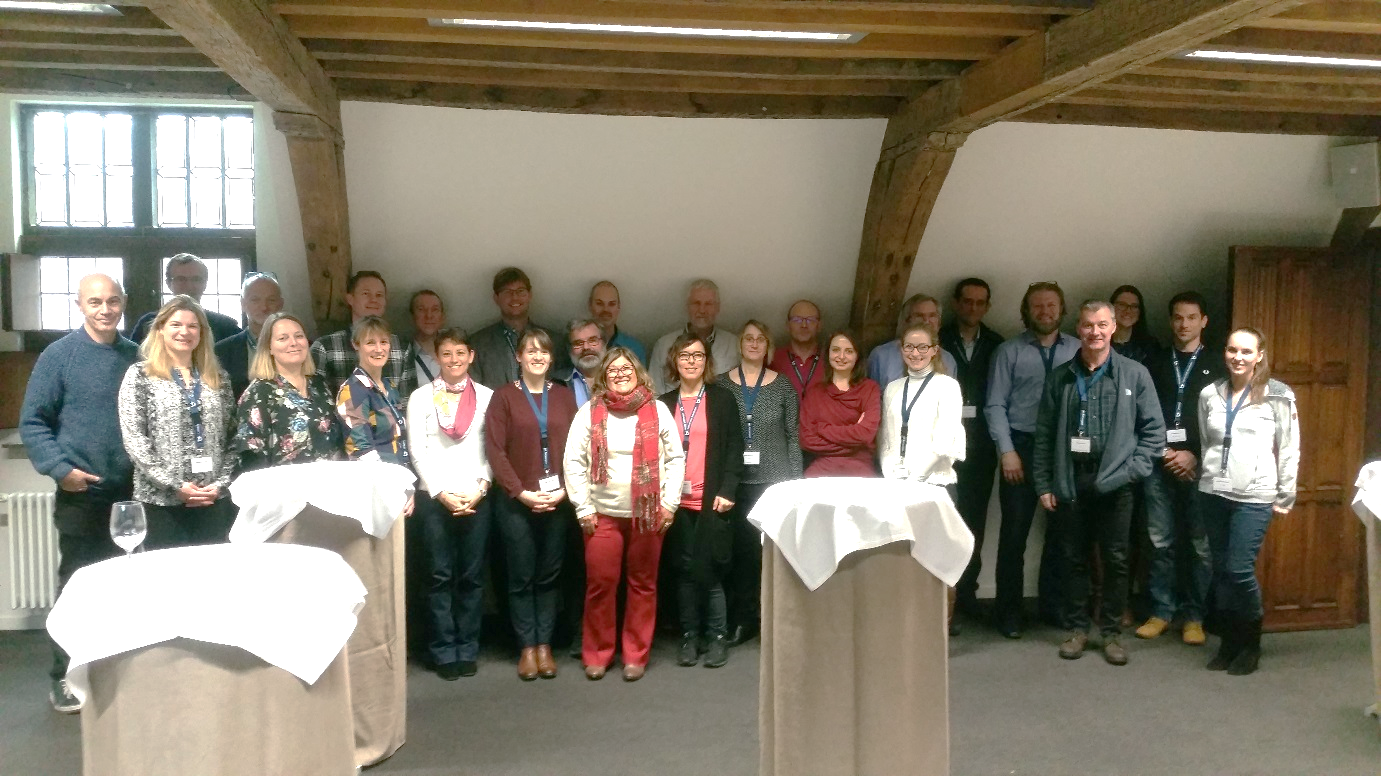
The ERGO consortium at the project’s kick-off meeting in Antwerp on 28th January 2019
EU Researchers and Underwater Tech Experts Discuss New Technologies and Treaties for Preserving Deep-Sea Ecosystems

Press release: 16 April 2019
Deep-sea researchers attended the Ocean Business 2019 event last week to share their latest findings with ocean technology developers and marine and maritime industry leaders, and to raise awareness of current international negotiations to protect the high seas.
The research team, from the EU-funded ATLAS project, presented their key findings on the status of deep-sea ecosystems in the North Atlantic Ocean at an open workshop during the three-day event in Southampton (UK) which brings together leading stakeholders in ocean technology. The ATLAS team stressed the importance of cutting-edge ocean technologies for supporting Blue Growth, the EU’s strategy for sustainable development in the marine and maritime sectors.
ATLAS partner Matthew Gianni said “Ocean research is essential to understanding the deep sea and to support sustainable Blue Growth. You are all producing and selling technology that allows us to do this”. He then called upon developers and industry experts to participate in face to face interviews with ATLAS researchers. Ocean Business provided a chance to gather views on current challenges and opportunities for the sustainable development of ocean resources for economic growth, improved livelihoods and ocean ecosystem health.
New international treaties for the conservation and sustainable use of deep-sea resources could shape Blue Growth and are driving the need for products developed by ocean tech experts to adequately map and help us to further our understanding of the deep ocean. As the demand for these products and services increases, scientists are seeking to increase the visibility of these investment opportunities as well as to assist with providing the information needed to implement new conservation regulations, and to further collaborate with industry figures.
ATLAS’ Dr Rachel Boschen-Rosestated “The discussions today demonstrate the complexity of the situation in the North Atlantic. Industry-academia collaborations can enrich Blue Growth and help us to achieve a unique balance between the protection and development of ocean resources”.
For more information and to input into the ATLAS Industry Reactions survey, please contact Dr Rachel Boschen-Rose: rachel.boschen-rose@seascapeconsultants.co.uk
New project launched to boost European marine and coastal economies by maximising research impact - EMPORIA4KT
Press release: April 2019
An exciting new project from the European Union’s (EU) INTERREG Atlantic Area funding programme will focus on assisting academics to transfer knowledge from their research in order to create value in the European Blue Economy. The Blue Economy represents all economic activities related to oceans, seas and coastal areas and includes industries such as fishing, shipbuilding, tourism and ocean energy. This growing sector is hugely important to Europe, and currently provides jobs for nearly 3.5 million people.
The project, EMPORIA4KT, will work to forge links between academia, business and government through tailored activities such as workshops targeting the needs of all key stakeholders.
António Grilo, EMPORIA4KT coordinator, states “Our motivation is to create social-economic impact from academic research activities within the blue economy sectors, while also transforming the relationship between the triple helix actors for innovation - academia, business and government.”
The project will train researchers to use the project’s knowledge transfer methodology to identify specific potential users of their research outputs and connect directly to them in a productive and effective way. It is expected that these connections will strengthen innovation and competitiveness in Atlantic Area Blue Economy, with high potential for increasing growth and generating jobs. This will in turn provide a greater return on research investment both for public and private bodies.
The EU’s Blue Economy has been consistently growing over the last decades, and its future is promising. However, investments in innovation are needed to create new business opportunities and manage our ocean and sea resources in a sustainable manner. Investment in projects such as EMPORIA4KT will bolster this growth while helping to protect the ocean and its resources.
The kick-off meeting will be held on Monday April 29th, 2019 in Lisbon (Portugal), gathering 14 partners from 5 countries. More information will be made available online via social media, and via a project website which is currently in development; www.emporia4kt.com.
For press enquiries, please contact Communications and Press Officer Rebecca Doyle at Rebecca@aquatt.ie, or contact coordinator António Grilo at emporia4kt@campus.fct.unl.pt for more information on the project.
Skills strategy workshop for the shipbuilding and offshore renewable energy sectors
Press release: 13 May 2019
MATES, an Erasmus+ funded European project focused on the shipbuilding and offshore renewable energy sectors, will be hosting the workshop “Strategy Validation - Skills intelligence to boost maritime technologies” on 28th May 2019 at 10.30-17.00, in Brussels, Belgium. During the MATESworkshop, there will be discussions on the technological challenges which are driving changes within these sectors and proposed actions to overcome identified skill gaps.
The workshop will be of interest to those working in the shipbuilding or offshore renewable energy sectors or in the fields of industry, education or public administration. Attendance is free and registration details are available at https://www.projectmates.eu/mates-strategy-validation-workshop-may-2019/ or by contacting mates@cetmar.org.
The results that will be presented at the workshop is the culmination of engagement with 176 experts within these sectors. Focusareas include: Shipbuilding, Offshore Renewable Energy, Digital Technologies, Green Technologies, Innovation Management, Gender Balance, Ocean Literacy, and Vocational Education Training Standards and Governance.
The lines of action validated during this workshop will be rolled out through case studies across Europe, known as Pilot Experiences, with the aim of improving the quality and relevance of existing training and developing new ways of acquiring skills. This ensures that both sectors are adaptable in the face of technological progress. Insights and best practices gained through these experiences will be used to fine-tune the strategy, which will then be transferred to a wider community. Attendance to the workshop is therefore an opportunity to contribute to the longer-term skills strategy for both sectors.
MATES will be represented at the European Maritime Day on 16-17 May 2019 at the Lisbon Congress Centre, Portugal, by Forum Oceano. Visit their booth for further information on MATES or visit the website at www.projectmates.eu.
New funding call provides researchers with free access to marine biological stations

The EU-funded ASSEMBLE Plus project (www.assembleplus.eu) is pleased to announce its fourth call for access to many of Europe’s key marine biological stations, but this time it’s a little different:
to simplify the process for applicants, this call will remain open until October 2021.
Requests for physical access will be evaluated on specified cut-off-dates and remote access will be reviewed on a rolling basis.
ASSEMBLE Plus’ popular funding mechanism provides researchers with effective and convenient access to some of Europe’s cutting-edge research infrastructures. Designed for scientists from academia, industry and policy, the mechanism provides support to researchers who wish to gain access – on-site or remote – to more than 30 marine installations, or “Access Providers”.
In less than 18 months, more than 150 projects have been granted access through the ASSEMBLE Plus’ transnational access programme. Many success stories are being reported. One such story comes from Andrea Waeschenbach from the Natural History Museum in the United Kingdom, who was granted the opportunity to join R/V Oceania at the Institute of Oceanology of the Polish Academy of Sciences (IOPAN) in Poland:
"My experience aboard the Research Vessel Oceania was outstanding. Our host, Dr Piotr Kuklinski, provided great expertise in collecting and identifying Arctic bryozoans [enabling us to incorporate rare species into our molecular phylogenetic framework]; took care of all the logistics; and, provided all necessary equipment and chemicals. Furthermore, the onboard scientific facilities and living quarters were excellent. Overall, a well-organised and successful trip!"
The available opportunities range from on-site access to ecosystems or experimental facilities to remote access to biological resources or data. The application process is simple, and successful proposals will be given access at no cost. Visits can last for up to 30 days and can include up to two persons per project. ASSEMBLE Plus will covers the cost of travel, accommodation and meals.
Online submission will open on 20th May 2019. Click here to download and print the call flyer.
For more information on the call, including eligibility and how to apply, visit www.assembleplus.eu/access/transnational-access. For specific requests, please contact the Access Officer (assembleplus_ta@embrc.eu). For press queries, please contact the ASSEMBLE Plus Project Manager, Clément Brousse (clement.brousse@sorbonne-universite.fr)
EWEAS - Newly launched project aims to increase water and energy efficiency in aquaculture farms through online training programme

A new online training platform has been funded by the European Union which aims to reduce excessive water and energy consumption in aquaculture, through improved management practices amongst the sector’s professionals. It is hoped that by empowering aquaculture technicians with the knowledge to self-assess water and energy usage at their facilities, the overall sustainability and competitiveness of the sector can be improved across Europe.
The training programme will be free-to-use and developed by the EWEAS project, a consortium of five European organisations which have wide-ranging expertise of the training needs in the aquaculture sector. Several questionnaires will be sent to farm owners and farm managers so that EWEAS can address specific training and capacity building gaps in the industry.
The flexibility afforded by online training is particularly valuable to aquaculture professionals, who often work in remote areas, making face-to-face training more difficult.
Alejandro Lafarga Martinez, coordinator of the project, said:“EWEAS’ robust training platform will provide expert-led content and promote work-based learning in the aquaculture sector. The platform will benefit plant managers, farm technicians and other aquaculture professionals, providing them with the knowledge to carry out self-management of energy and water consumption. Not only will this improve company productivity, but this will also vastly improve the sustainability of the sector and protect the environment.”
Digital learning has already demonstrated success in the industry, with high uptake for courses in wastewater, carbon emissions and other areas. As well as the direct benefits of the knowledge gained from the course, trainees will benefit from greater access to further training opportunities, and a competitive advantage in the labour market.
The aquaculture sector has grown exponentially in recent decades, accounting for over 20% of all seafood produced in Europe, and almost half of all seafood produced globally. Despite this, growth has slowed in Europe in recent years, with efforts to match production levels in Asia falling short. The high energy and water requirements caused by the pumps, aerators and other high-consumption technologies have contributed to this slowed growth. Through the e-learning platform, EWEAS will help technicians to develop practical skills for operating and managing these systems as efficiently and sustainably as possible.
The EWEAS launch took place in Valencia, Spain, on 24-25 January 2019. The project will run until May 2021. The project website will be launching soon at www.eweasproject.eu.
If you want to be part of our Expert Database and receive project updates, please subscribe here.
If you are a fish farm manager willing to get involved in EWEAS by replying to our first questionnaire, click here.
For more information and press queries, please email Oxana Sytnik, AquaTT Project Manager at oxana@aquatt.ie

EWEAS partners at the kick-off meeting in Valencia (Spain)
Are you interested in carrying out research at a marine biological station this winter or during the spring of 2020?
Press release: September 2019
Europe’s leading marine research stations are opening their doors to researchers and PhD students from industry, policy and academia to carry out research at their facilities, work with leading experts, use state-of-the-art technologies, and gain new experiences.
This access is facilitated by the EU-funded ASSEMBLE Plus project, which provides on-site and remote access for researchers to Europe’s leading marine biological stations. This is the 5th call for access within the project, with opportunities ranging from access to marine ecosystems, experimental facilities, technological services such as microscopy, molecular biology, and biochemistry, biological resources, and data. Access will be available from December 2019 until May 2020.
Over the course of two years, more than 200 projects have been granted access through the transnational access programme. Dr Suncica Bosak from the University of Zagreb, Croatia was granted access to the Stazione Zoologica Anton Dohrn (SZN) in Italy:
"I applied to ASSEMBLE Plus with my PhD student Klara Filek to visit sea turtles that are rehabilitated in the Centro Ricerche Tartarughe Marine, a part of Stazione Zoologica Anton Dohrn as SZN is the only institution within the consortium that provides access to these endangered marine animals. Our hosts at SZN were very friendly and supportive, as were the laboratory and administrative staff who were a pleasure to work with. Overall, a very positive and successful experience!"
Get inspired by the experiences of other researchers that have been hosted here. The application process is simple and straightforward, and successful applicants will be given access to marine biology research facilities and platforms. Visits can last for up to 30 days and can include up to two persons per project. In addition, ASSEMBLE Plus will provide funding for travel, accommodation and meals.
Online submission for the 5th call will close on 11th October 2019.
Click here to download and print the call flyer. For more information on the call, including eligibility and how to apply, please visit: assembleplus.eu/access/transnational-access.
2019 winner of Lindsay Laird award announced
AQUATT is pleased to announce that the winner of this year’s Lindsay Laird Award is Nicola Rhyner from the Zurich University of Applied Sciences with his poster entitled “Assessing microsatellite markers to assess post-stocking survival of hatchery-reared Atlantic trout (Salmo trutta) in tributaries of a pre-alpine lake”.
The award was presented on 10th October by Dr Camilla Priede of Sheffield University, Lindsay Laird’s younger daughter who commented: “I was particularly impressed by how in his poster Nicola managed to take a very sophisticated topic and convey it with complete clarity."
Dr Priede continued: "My career is focused upon widening access to the sciences and science education and I recognise that it is very hard to write about very complex topics in a very simple way. Not many scientists have this skill at such an early stage in their career. My mother always aimed to ensure that her work was accessible to a broad audience, and as such Nicola was a most appropriate winner of the award.”
The judges Dr Kjell Maroni (Norway), Prof. Elena Mente (Greece) and Prof. Lluis Tort (Spain) agreed unanimously that his approach showed real innovation in respect of environmental protection and the management of autochthonous or allogenous freshwater species. In addition, the poster presented very well identified messages for the reader. Although the techniques used are well known, the judges recognised that they are among the forefront of the current laboratory technologies, and were used to assess field and nature challenges, particularly in relation to the identification and conservation of particular species in the tributaries of main rivers.
In addition to the iPad donated jointly by AQUATT and the AMC Consortium, the winner will also receive his choice of books from the co-sponsors of the award: Wiley Blackwell, Springer and 5M Publishing.
You can read the article from 5M Publishing on its website: thefishsite.com/articles/trout-poster-wins-lindsay-laird-award
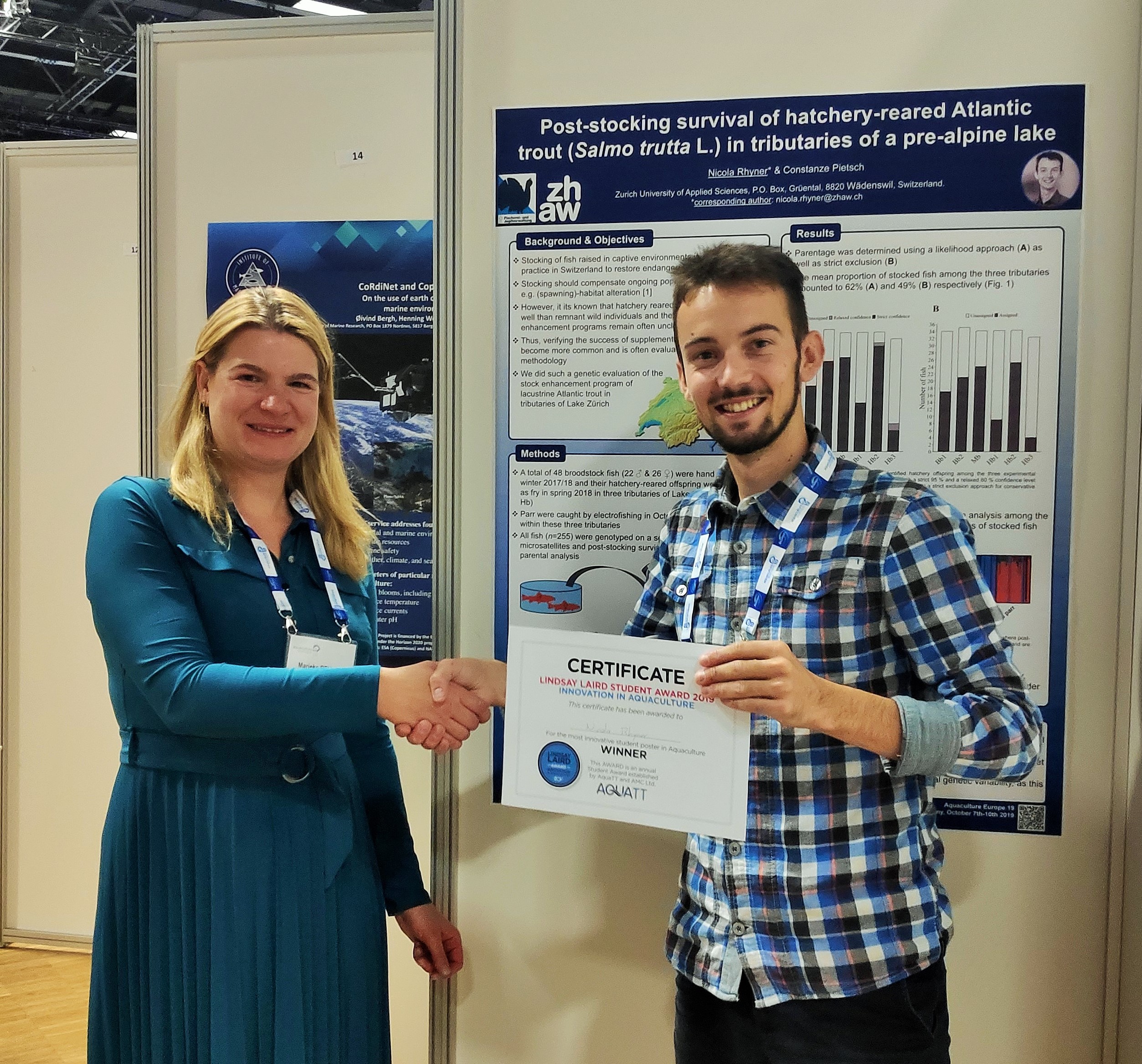
Marieke Reuver (AquaTT) with Lindsay Laird award winner Nicola Rhyner
ASSEMBLE Plus celebrates its successful access programme, and launches a sixth call
Press Release: ASSEMBLE Plus celebrates its successful access programme, and launches a sixth call
Members of the ASSEMBLE Plus partnership met from 9th – 12th September in Naples, Italy, for almost of week of meetings as part of a project review, General Assembly and Project Implementation Committee meeting. The project’s Joint Research Activities were reported to be on-track and updates on their activities will feature in the next issue of the ASSEMBLE Plus newsletter which will be released at the end of October 2019.
ASSEMBLE Plus’ most notable news was in relation to its Transnational Access (TA) programme. This programme supports research projects in marine biology and ecology, providing access to facilities and research services for marine biology to researchers from academia and industry at more than 30 partner institutes. The objective of this programme is to enable researchers to carry out their own research projects, offering them free access to platforms and marine biological resources not available in their own institutes, also gaining the opportunity to establish new scientific collaborations.
Started on January 2018, the TA programme has received so far more than 250 project proposals from European and non-European researchers. Researchers who have been granted access to ASSEMBLE Plus marine stations have reported enthusiastic success stories.
The last call for the TA programme will close in April 2020, and on-site and remote access to our facilities will be granted until January 2021. Next deadline for submission (for access during April to September 2020) is 9th February 2020. ASSEMBLE Plus covers all access costs for your project up to 30 days, and up to two persons per project can ask for sponsorship for their travel, accommodation and meals costs.
If you are interested in learning more about the TA programme and applying, please visit assembleplus.eu/access/transnational-access or get in touch with our access officer at assembleplus_ta@embrc.eu. You can follow updates of our project on Twitter at @ASSEMBLE_Plus
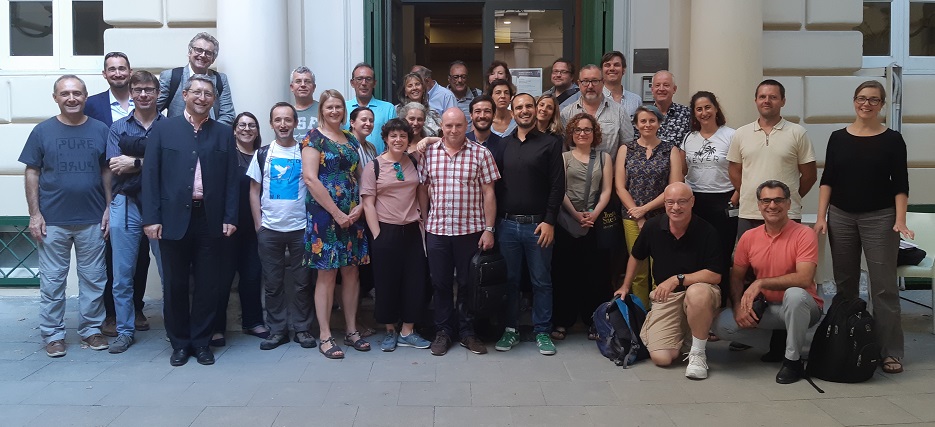
The ASSEMBLE Plus partnership at the 2nd General Assembly in Naples, Italy.
International Bootcamp to Boost Innovation in the Atlantic Area

Press release: December 2019
An exciting event will take place this month in Brussels which will support Blue Economy innovation in Atlantic Area countries Spain, Portugal, France, Ireland and the UK. The International Bootcamp, “Blue Economy in the Atlantic Area – the role of Academia, Industry and Policy Stakeholders for fostering innovation in the Atlantic Area”, will bring together expert stakeholders to evaluate the main transnational needs and opportunities in specific areas of the Blue Economy.
The Blue Economy represents all economic activities related to oceans, seas and coastal areas and includes industries such as fishing, shipbuilding, tourism and ocean energy. This growing sector is hugely important to Europe, and currently provides jobs for nearly 3.5 million people, and is particularly relevant to Atlantic Area countries. However, investments in innovation are needed to create new business opportunities and foster sustainable management of ocean and sea resources.
EMPORIA4KT is an EU Interreg Atlantic Area European Regional Development Fund (ERDF) project, consisting of 14 partners from 5 European countries in the Atlantic Area. The project is working to forge links between the triple helix players of academia, business and government, to foster innovation and competitiveness in support of the Blue Economy in the Atlantic Area. This Bootcamp is one of the project’s tailored activities to support these aims.
The International Bootcamp was preceded by national bootcamps held in each of the aforementioned countries, where experts discussed the Blue Economy in their respective regions. Twenty of these experts, alongside EU representatives, will now meet in Brussels to exchange their ideas in relation to the Atlantic Area as a whole.
The participants will profile and validate the main identified barriers of communication and relationships between the triple helix players, and share best practices on R&D, technology transfer and innovation promotion initiatives (financial and policy). They will also seek to identify the current constraints for innovation.
These discussions will inform the next steps of the EMPORIA4KT project and help with the development of tools that will assist academic researchers upgrade their skills in knowledge transfer and innovation. It will also guide the consortium on providing input into policymaking at regional, national and transnational level.
The EMPORIA4KT International Bootcamp will take place on 12 December in Brussels, Belgium. To keep up to date with this and other project events please follow @EMPORIA4KT on Twitter and visit the project website www.emporia4kt.com.
For press enquiries, please contact Communications and Press Officer Rebecca Doyle at Rebecca@aquatt.ie, or contact Project Coordinator António Grilo at emporia4kt@campus.fct.unl.pt for more information on the project.
Microbiome Applications in the Food System and Nano Life Sciences: New Learnings at the NANO-DAY IV Conference

Press release: December 2019
The EU Horizon 2020-funded SIMBA project aims to gain a better understanding of microbiome structure and function, related to marine and terrestrial food chains and to verify the sustainability of microbial innovations of the food system. Recently, SIMBA project partners attended the fourth NANO-DAY conference which took place in Milan, Italy on 11th – 14th December 2019. The conference focused on nanotechnology and nanomaterials, with two key topic streams of ‘Nano in Life Sciences’ and ‘Nano in Physics, Chemistry and Technology’. With an estimated 350 participants from industry, research, policy and government, the conference had a strong emphasis on new nanotechnology materials, nanomaterial engineering, and nanobiotechnology.
At the event, SIMBA hosted a special session under the ‘Nano in Life Sciences’ topic, organised by Nelson Marmiroli and chaired by Elena Maestri, from partner University of Parma. The team’s session, titled ‘nanotechnologies and nanomaterials in agriculture and food production’, presented SIMBA’s progress and key findings to date. The session linked microbial applications in food systems with nanotechnology, which could lead to novel discoveries and collaboration. These could include the use of nanomaterials in agriculture to suppress crop diseases, and improved food production by increasing efficiency of inputs and more targeted nutrient delivery. Such innovations are essential with the growing challenges posed by climate change and a rapidly growing global population.
Project coordinator Anne Pihlanto (Luke) opened the session by introducing SIMBA’s holistic approach that exploits microbiomes in agriculture and aquaculture to increase sustainability in food production. Pihlanto also noted the numerous expected impacts from the project, including increasing productivity, quality, safety, sustainability and nutrition security in the food chain, as well as longer-term impacts such as increased innovation capacities of public and private food system stakeholders.
Four specific strands of SIMBA research were highlighted and discussed, including research which seeks to identify candidates of Plant Growth-Promoting Microbes (PGPMs), which are potential alternatives to chemical fertilisers and pesticides, presented by Silvia Tabacchioni (ENEA). Innovative research on microbial processing for nutritional enhancement of plant-based products was then introduced by Minna Kahala (Luke). The findings could ultimately lead to protein-rich food products with improved nutritional value, digestibility, and safety. Anna-Maria Pajari (University of Helsinki) presented ongoing human intervention trials analysing how a sustainable diet, or a side stream-derived food produced utilising microbes, shapes the human gut microbiota and health. The final presentation from Milena Stefanova (ENEA) covered the sustainability assessment and potential uptake of microbial innovations developed from the project. Stefanova described the comparative environmental life cycle assessment (LCA) and social-LCA required to assess the overall increase in sustainability of microbial innovations. Additional presentations from conference participants highlighted the possible role of nanotechnologies in sustainable agriculture, and a lively discussion evidenced the difference in approaches between EU and USA.
After the event, SIMBA Coordinator Anne Pihlanto noted “there are key strong benefits of sharing SIMBA activities with researchers interested in nanotechnology and plant production. It was beneficial for us to meet other actors and the event has highlighted the need for harmonisation of legislation and regulation”.
For more information please visit the project website at simbaproject.eu or follow us on Twitter @SIMBAproject_EU
Project coordination: Principal Scientist, Anne Pihlanto (anne.pihlanto@luke.fi)
Communications: Jane Maher (jane@aquatt.ie)
Additional presentations from conference participants highlighted the possible role of nanotechnologies in sustainable agriculture, and a lively discussion evidenced the difference in approaches between EU and USA.
After the event, SIMBA Coordinator Anne Pihlanto noted “there are key strong benefits of sharing SIMBA activities with researchers interested in nanotechnology and plant production. It was beneficial for us to meet other actors and the event has highlighted the need for harmonisation of legislation and regulation”
Gain access to over 30 marine stations for free!

Press release: January 2020
The next call of the ASSEMBLE Plus Transnational Access programme closes on 9th February 2020.
ASSEMBLE Plus supports researchers (from industry and academia) by providing access to facilities and research services at more than 30 partner institutes. The objective of this programme is to enable researchers to carry out their own research projects using platforms and marine biological resources not available in their own institutes, while establishing new scientific collaborations.
The access programme has received so far more than 300 project proposals from European and non-European researchers and many success stories highlight the value of this opportunity. For example, Karl Attard (University of Southern Denmark) a recipient of the Transnational Access funding expressed the following:
“ASSEMBLE Plus fills an important void within the funding sphere by allowing young scientists to pursue interesting side-projects and initiate collaborations that would otherwise be impossible due to funding constraints”.
ASSEMBLE Plus covers access costs for your project up to 30 days, and up to two persons per project can ask for sponsorship for their travel, accommodation and meals costs. For access during April to September 2020, applications are due by 9th February 2020. The last call for the TA programme will close in April 2020, and on-site and remote access to our facilities will be granted until January 2021.
If you are interested in learning more about the TA programme and applying, please visit assembleplus.eu/access/transnational-access or get in touch with our access officer at assembleplus_ta@embrc.eu.
You can follow updates of our project on Twitter at @ASSEMBLE_Plus
Seventeenth AQUAEXCEL2020 Call for Access Now Open: Fully EC-Funded Access to Top-Class Aquaculture Research Infrastructures Across Europe
Press release: January 2020
The seventeenth and final AQUAEXCEL2020(AQUAculture infrastructures for EXCELlence in European fish research towards 2020) Call for Access is now open, with a deadline of 6 March 2020.
On a regular basis the AQUAEXCEL2020project invites proposals, from European research groups, for scientific research that could benefit from the use of the facilities of any of the participating aquaculture research infrastructures. The AQUAEXCEL2020project unites major aquaculture experimental facilities that have the capacity to undertake experimental trials on a selection of commercially important aquaculture fish species and system types. These installations are made available to the research community for Transnational Access (TNA) with the support of the European Union’s Horizon 2020 Research and Innovation Programme.
TNA involves a research group in one country collaborating with one or more AQUAEXCEL2020infrastructures that are located in a different country to the applicant, and which offer facilities and expertise not available in their own country.
The facilities cover a range of aquaculture production systems (cage, recirculation, flowthrough, hatchery and disease challenge); environments (freshwater, marine and cold, temperate and warm water); production scales (small, medium and large industrial); fish species (salmonids, cold and warm water marine fish, freshwater fish and artemia); and fields of expertise (nutrition, physiology, health and welfare, genetics, engineering and monitoring and management technologies).
Interested researchers can propose projects that involve visits of one or two people to the chosen research infrastructure for a period of up to three months. Access to the research infrastructures and associated travel and subsistence expenses will be covered by AQUAEXCEL2020. The establishment of new transnational collaborations is strongly encouraged, as well as the participation of SMEs.
For more information on Transnational Access and how to apply please visit: www.aquaexcel2020.eu/transnational-access/call-access
New tool raises awareness of the impact of fish farming practices on parasite presence
Press release: 30 January 2020
A unique tool has been created which helps fish farmers toidentify the risk of parasite infection associated with their current farming practices.
The tool, launched by the EU-funded ParaFishControl project, addresses three parasites prevalent in Mediterranean Sea cage aquaculture; Sparicotyle chrysophrii, Enteromyxum leei and Ceratothoa oestroides. Using data from the latest research, consultations with parasite experts and field surveys across 39 Mediterranean cage farms, the tool estimates production gains and losses under different conditions. The model outputs indicate the most effective management strategies for these parasites in terms of site characteristics and husbandry practices. The tool also provides a cost-benefit assessment of various parasite prevention and control measures for aquaculture businesses.
Free to use and fully confidential, the tool is the first of its kind, allowing fish farmers to compare costs of a disease outbreak with those of applying management upgrades. While the tool is representative of Mediterranean cage farming as a whole, developers emphasise that regional differences and disease complexities need to be taken into account. The tool could be adapted for application to other fish parasites and pathogens, by collecting additional structured epidemiological information to underpin the calculations.
The tool is available at openscience.cefas.co.uk/parafish_economic, while the code and metadata can be accessed at data.cefas.co.uk/#/View/20141.
This tool, and many other results originating from the past five years of research within ParaFishControl, will be presented at the project’s Final Conference “Innovative Strategies to Control Parasites in Aquaculture Farms” in Brussels on 11 March 2020. For further information and registration visit https://bit.ly/2veQPVN.
For more information about the project visit parafishcontrol.eu or follow ParaFishControl at twitter.com/parafishcontrol.
Notes for Editors
ParaFishControlis an EU H2020-funded project that aims to increase the sustainability and competitiveness of the European aquaculture industry. It improves our understanding of fish-parasite interactions and developps innovative solutions and tools for the prevention, control and mitigation of the most harmful parasitic species affecting the main European farmed fish species.
For press enquires contact Emma Bello Gomez emma@aquatt.ie

New treatment tackles costly parasitic disease for freshwater farmed and ornamental fish

Press release: February 2020
A new treatment has been developed for Ichthyophthirius multifiliis, a parasite commonly found in freshwater fish which could save the ornamental and farmed fish industries billions of euro per year.
A compound was first identified by researchers from the EU-funded ParaFishControl project, which examines fish-parasite interactions in aquaculture. Its effectiveness in treating certain parasitic diseases led researchers to submit a patent for the compound.
The treatment was first tested on the I. multifiliis parasite, which causes white spot disease in a range of freshwater fish. The disease is highly damaging for both the ornamental and farmed fish industries due to its high mortality rate.
A new company, Sundew, has been founded to further develop and commercialise the compound. The Copenhagen-based SME will facilitate the development of large-scale production and purification of the product, which it has named BIOKOS.
The need for new treatments arose following the ban of malachite green, which was found to be carcinogenic and genotoxic. No other compound to date has been as effective for control of the infection.
Sundew owners are hopeful that BIOKOS will be in high demand in both the aquaculture and ornamental production markets. Aquaculture production alone is valued at over €5 billion per year in the EU.
This new treatment, and many other results originating from the past five years of research within ParaFishControl, will be presented at the project’s Final Conference “Innovative Strategies to Control Parasites in Aquaculture Farms” in Brussels on 11 March 2020. For further information and to register, please visit bit.ly/2veQPVN.
To learn more about ParaFishControl, please visit the website at parafishcontrol.eu, or follow the project on Twitter @ParaFishControl.
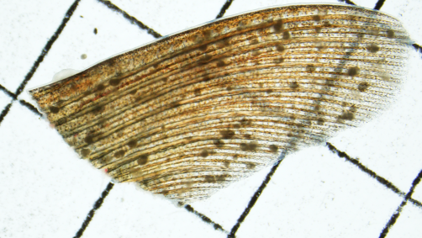
Ichthyophthirius multifiliis trophonts on a fin of common carp
Final opportunity for industry and academic researchers to benefit from free access to over 30 marine biological stations and infrastructures

Press release: February 2020
Researchers from industry and academia are invited to apply for free access to facilities and research services at more than 30 international institutions. Funded by the European Union, the ASSEMBLE Plus programme supports researchers to carry out their own research projects using platforms and marine biological resources not available in their home institutes. The initiative helps participants to enhance their skills, create new collaborations and contribute to scientific understanding.
Since January 2018, the ASSEMBLE Plus Transnational Access (TA) programme has received more than 300 project proposals from European and non-European researchers. Projects have covered a wide range of marine research, including molecular biology, ecology and biochemistry, and their many success stories highlight the value of this opportunity.
Colin Ingham, CEO of Dutch biotechnology company, Hoekmine BV, received an ASSEMBLE Plus TA award to work with Station Biologique de Roscoff, France, and the Marine Biological Association in Plymouth, UK. Commenting on the value of the award, he said:
“ASSEMBLE Plus gave us access to resources that would otherwise be unavailable to us as a SME. Through our engagement with the programme, we were able to obtain and isolate structural-coloured marine bacteria. We use these brightly coloured colonies, which generate colour from nanostructures like the feathers of a peacock, for the purposes of creating colour in textiles, paints and cosmetics.
The work performed within the project will contribute to a publication on the molecular genomics of structural colour (in preparation). Some of the strains were used to create works of art exhibited in Dutch Design Week, London Design Week and other international exhibitions”
The current call of the ASSEMBLE Plus Transnational Access (TA) programme opened on 10th February 2020. The award covers access costs for up to 30 days, in addition to travel, accommodation and meal expenses for up to two researchers per project.
To access ASSEMBLE Plus partner institutions from August 2020 to January 2021, applications are due by 24th April 2020. This is expected to be the last call for the TA programme and therefore the final opportunity for researchers to benefit from funding within the scheme.
For more information about the TA programme, previous award holders, eligibility or the application process, please visit assembleplus.eu/access/transnational-access or get in touch with our access officer at assembleplus_ta@embrc.eu.
You can follow updates of our project on Twitter at @ASSEMBLE_Plus
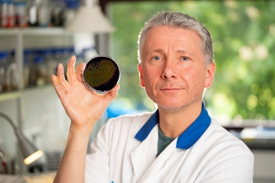
Colin Ingham, CEO of Hoekmine BV
Researchers from industry and academia are invited to apply for free access to facilities and research services at more than 30 international institutions. Funded by the European Union, the ASSEMBLE Plus supports researchers from industry and academia by providing access to facilities and research services at more than 30 partner institutes. The objective of this programme is to enablesupports researchers to carry out their own research projects using platforms and marine biological resources not available in their own home institutes. The initiative helps participants, to enhance their skills, create new collaborations andwhile establishing newcontribute to scientific understanding and collaborations.
Since January 2018, tThe ASSEMBLE Plus Transnational Access (TA) programme has received so far more than 300 project proposals from European and non-European researchers. Projects have covered a wide range of marine research, including molecular biology, ecology and biochemistry, and their many and many success stories highlight the value of this opportunity.
Colin Ingham, CEO from of Dutch biotechnology company, Hoekmine BV, received an ASSEMBLE Plus TA award to work reflected on his experience with Station Biologique de Roscoff, France, and the Marine Biological Association in Plymouth, UK. Commenting on the value of the award, he said, stating:
|
Irridescent ASSEMBLE+ marine bacteria strains (Hoek4b) isolated |
“ASSEMBLE Plus gave us access to resources that would otherwise be unavailable to us as a SME. Through our engagement with the programme, we were able to obtain and isolate structural-coloured marine bacteria. We use these brightly coloured colonies, which generate colour from nanostructures like the feathers of a peacock, for the purposes of creating colour in textiles, paints and cosmetics. The work performed within the project will contribute to a publication on the molecular genomics of structural colour (in preparation). Some of the strains were used to create works of art exhibited in Dutch Design Week, London Design Week and other international exhibitions”
|


The next current call of the ASSEMBLE Plus Transnational Access (TA) programme opened on 10th February 2020. The programme award covers access costs for your projectfor up to 30 days, in addition to travel, accommodation and meal expenses for up to two researchers per projectand up to two persons per project can ask for sponsorship for their travel, accommodation and meals costs.
For access duringTo access ASSEMBLE Plus partner institutions from August 2020 to January 2021, applications are due by 24th April 2020. This is expected to be the last call for the TA programme and therefore the final opportunity for researchers to benefit from funding within the scheme.
For more information about the TA programme, previous award holders, eligibility or the application process, If you are interested in learning more about the TA programme and applying, please visit assembleplus.eu/access/transnational-access or get in touch with our access officer at assembleplus_ta@embrc.eu.
New climate model projects major impacts on coral and commercially important fish habitats in the deep Atlantic due to climate change
Press release: February 2020
A new model has projected that current trends in climate change could place over 50% of North Atlantic cold-water coral habitat at risk, while suitable habitats for commercially important deep-sea fish could shift by up to 1000 km northwards. These effects could have far-reaching impacts on the ocean, including significant loss of suitable habitats for deep-sea species, which will in turn affect economies and communities reliant on fish stocks.
The model, published in the journal Global Change Biology, was developed by researchers as part of the EU-funded ATLAS and SponGES projects, which aim to advance understanding of deep Atlantic ecosystems and support greater ocean governance and management.
The model uses new projections of deep Atlantic water properties and a larger compilation of species occurrence data than in similar studies. It is the first study of its kind to assess how much suitable habitat may be lost, gained, or sustained as areas for certain species to survive if global carbon emissions continue on their current trajectory. These areas, termed refugia, allow isolated pockets of species to survive in otherwise unfavourable conditions.
The ocean plays a crucial role in global climate regulation through uptake and storage of heat and carbon dioxide. However, changes linked to this regulation have consequences for the health of the ocean, including warming, acidification and deoxygenation of the ocean’s waters, leading to decreased food availability at the seafloor and ultimately compromising key ecosystem services. The new model’s projections for key Atlantic cold-water coral and deep-sea fish habitats for commercially important fish species incorporate data on these effects, based on global carbon emissions continuing at their current, high trajectory, until 2100.
Dr Telmo Morato, ATLAS principal investigator at IMAR – University of the Azores, commented:
“The model projections were clear; a significant decrease in the suitable habitat for cold-water corals and a marked shift towards higher latitudes for deep-sea fish. This adds to the increasing scientific evidence demonstrating the severe and far reaching effects of climate change. We are only beginning to understand the creatures and communities that live at the bottom of the deep ocean. If we do not take significant measures to reduce our carbon footprint, we may lose these fragile deep ocean ecosystems before we unlock their secrets.”
The study focused on scleractinian and octocoral corals which are indicators of vulnerable marine ecosystems, and deep-sea fish species that are commercially important in several regions. The octocoral species were found to be under particularly high threat, with modelling projecting that loss of habitat could lead to local extinctions. The study also projected very limited climate change refugia for cold-water corals, highlighting the need for proper consideration of climate change in deep-sea regulations.
Commenting on the significance of the results, Professor J Murray Roberts, ATLAS project coordinator at the University of Edinburgh said:
“We are at a major tipping point for the future of cold-water corals. In the next century, we are going to see huge areas of the Atlantic become unsuitable for cold-water coral growth. Corals are the architects of the ocean and, without them, countless other species lose their habitat. Most of the changes we predict are caused by global climate change. We must do all we can to limit carbon dioxide emissions and carefully conserve those areas of the Atlantic that become climate refuges.”
The study authors noted that the projected consequences for species may be worst case scenarios because the models used rely on business-as-usual projections of carbon emissions, not taking into account any potential future climate mitigation measures. However, by providing these insights, the results emphasise the need to better understand how climate change will affect life in our oceans and highlight the importance of preserving climate refugia.
ATLAS project researchers hope that their projections will be adopted in future long-term sustainable environmental management and conservation policies at a global level, such as those relating to Vulnerable Marine Ecosystems. These measures can form part of the response to the wider challenge of mitigating climate change and its associated effects, including dramatic changes such as those forecasted in this study.
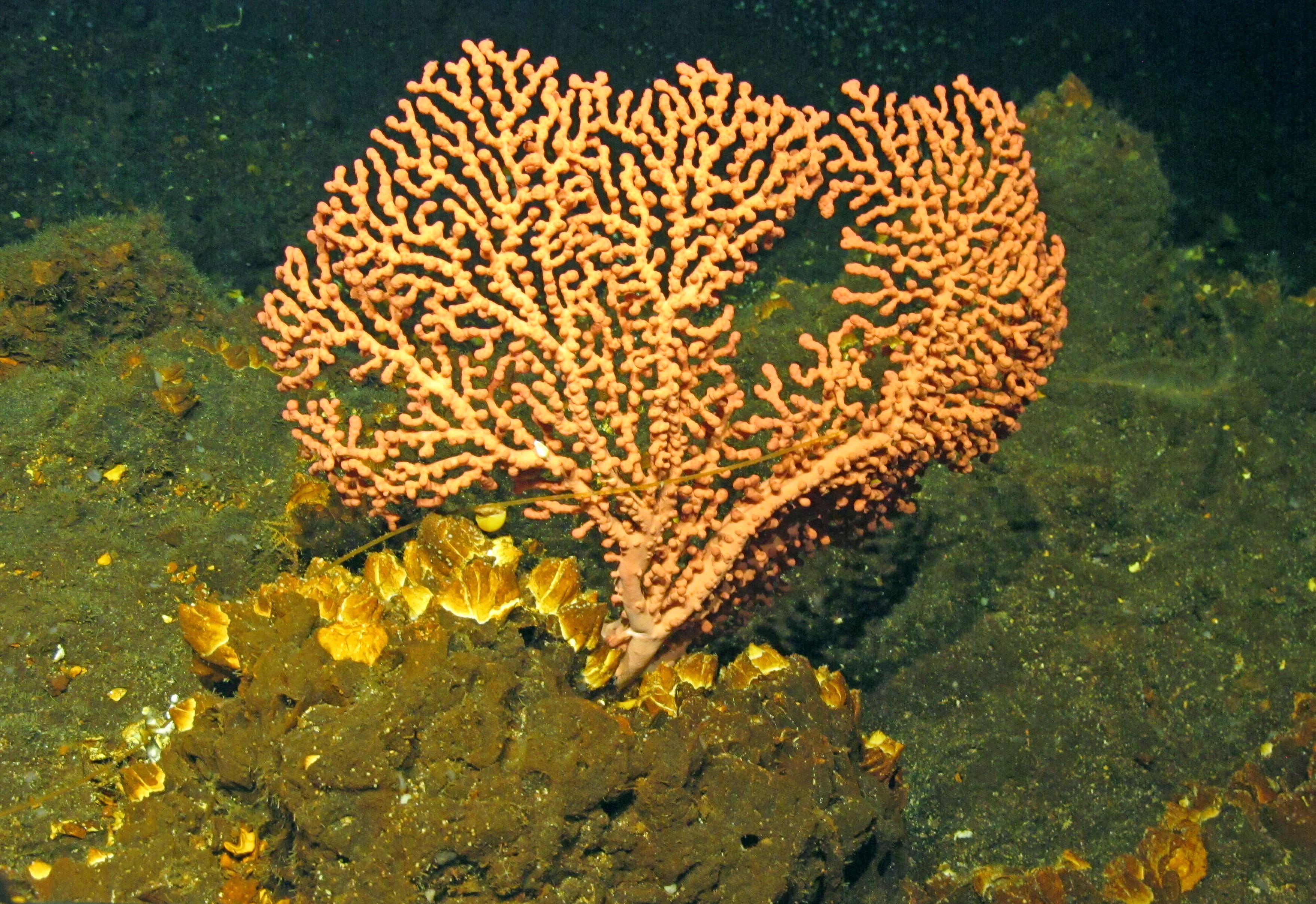
Sea fan Acanthogorgia sp. in a coral garden, Azores. © ROV Luso, Fundação Oceano Azul & IMAR
World Water Day 2020: Desalination technologies provide safe and sustainable drinking water

Press release: March 2020
Improvements in electrodialysis technology are creating new ways of producing freshwater. Funded by the EU, REvivED water is developing low-energy, sustainable solutions to address the growing demand for access to safe drinking water.
UNESCO estimates that around 2.2 billion people live without access to safe, clean drinking water. By 2050, up to 5.7 billion people could be living in areas where water is scarce for at least one month a year. With seawater making up 97.5% of the world’s water resource, low energy desalination solutions will be a vital component of providing sufficient levels of good-quality drinking water for a growing population.
REvivED water brings together ten partners from six European countries to address the drinking water challenge. The project focuses on electrodialysis technology: using an electric current to make salts and other ions move out of salty water across a semi-permeable membrane. This approach has been successfully implemented across a range of settings.
Clean water for communities most in need
REvivED water installed solar-powered desalination systems to produce fresh, clean drinking water for seven rural communities across Somaliland, Djibouti, India and Tanzania.
The groundwater in these remote areas is high in salt, causing health issues in the local population. Electrodialysis technology in the REvivED system removes this excess salt without affecting the other minerals in the water that help keep us healthy. The community systems also include electrochemical cells that produce their own chlorine to disinfect the water and make it safe to drink. Each REvivED water unit can produce up to 2,000 litres of fresh drinking water per day.
Compared to other water treatment options, the REvivED water community units are more durable and have lower operating costs. REvivED water provides free spare parts and training to local partners to ensure that the community systems can be operated and maintained for many years to come.
The systems are monitored and controlled remotely using signals sent through the mobile phone network. Each unit is fitted with a SIM card that relays information to technicians at Phaesun, a German company that specialises in off-grid solar powered systems. Using this data, Phaesun can monitor how the desalination systems are operating and make any adjustments that are needed.
Florian Martini, project engineer at Phaesun, carried out unit installations in Tanzania:
"It was wonderful to see how modern technology fits into the traditional way of life of the Maasai," "A great advantage is that, unlike other desalination technologies, no waste products are produced and no diesel is needed to operate the systems. The clean water is highly appreciated!"


Installing a REvivED water desalination unit at the village of Beyo Gulan, Somaliland (photo credits: Phaesun).
Improving desalination technology and sustainability at an industrial level
REvivED water has also tested new ways of applying the electrodialysis innovations to industrial-scale desalination plants, aiming to achieve more energy efficient and cost-effective solutions. A new, multi-stage electrodialysis system for industrial seawater desalination has been successfully piloted at Afsluitdijk in the Netherlands. Meanwhile, at the Burriana desalination plant in Spain, REvivED water has piloted the combination of ED with traditional reverse osmosis systems.
The project is now looking to extend these approaches to a commercial setting.
Further findings from REvivED water will be presented at the final project meeting at Afsluitdijk, Netherlands on 22 April 2020. For more information, please visit https://revivedwater.eu/
Atlantic Ocean Adventures at Home with Free Education Resources from EU ATLAS Project

Press release: 22 April 2020
The EU-funded H2020 ATLAS project has developed a range of free, open-access educational resources on issues and topics related to the Atlantic Ocean and specifically the deep sea. Originally created for teachers and marine educators to use in a class environment, the fun learning activities are also ideal resources to support home-schooling, and are available in several languages.
The ATLAS Educational Outreach Portfolio was developed by ATLAS project partners Dynamic Earth, University of Edinburgh (Scotland, UK), and AquaTT (Ireland). Children (of all ages), parents and teachers can learn about deep sea creatures and habitats by completing their own augmented colouring sheets, that come to life when viewed through the Spectacular App. Learners can try their hand at surveying with the ‘ATLAS coral reef’, a composite of images from the cold-water coral reefs in Irish and Scottish waters, displayed as a floor mat featuring key deep sea animals from ATLAS research. Students can also find out which deep sea creature they would be, via an interactive, beautifully illustrated flowchart.
For teachers, or parents leading home-schooling, there are seven education packs, each containing ready-planned lessons and activities related to the deep sea. These include multi-lingual resources covering ‘Animal, vegetable, mineral?’, a lesson explaining hydrothermal vents, the importance of the ocean, ocean acidification, and some fun experiments demonstrating the effect of high pressure in the deep sea. There is also a taxonomy challenge, and a lesson on threats to coral reefs.
With many of us still confined at home, now is the perfect time to embark on deep-sea exploration with ATLAS Atlantic Adventures.
To bring Atlantic Adventures into your home, please visit the education tab at www.eu-atlas.org for the full portfolio of free ATLAS educational resources. Follow our social media channels (Twitter @eu_atlas and Facebook @EuATLASor follow #ATLASatHome) for more ocean-themed learning activities.

Children engaging with Atlantic Adventures with ATLAS augmented colouring sheets and coral reef survey mat
Recent changes in Atlantic Ocean circulation patterns have caused dramatic shifts in marine populations
Press release: 23 April 2020
A new study has revealed significant changes in North Atlantic Ocean circulation patterns since the beginning of the industrial era compared to the preceding 10,000 years. The study, which examined deep sea fossils of marine organisms, suggested that these changes also shifted populations of fish, which could have profound implications for global fish stocks and other marine species if the trend continues.
Led by University College London (UCL), as part of the EU-funded ATLAS Project, researchers analysed seabed cores extracted south of Iceland. By counting the number and type of microscopic plankton fossils preserved in the cores, the team uncovered significant changes in plankton distributions. Until 1750, the fossil records were dominated by species that prefer cold waters. Since then, and even more prominent in the 20th century, more warm-water species have been found further north.
The findings add to a growing body of evidence which show a change in ocean circulation in the Atlantic Ocean, a region playing a crucial role in the global climate system and as habitat for many marine ecosystems.
As lead author, Dr Peter Spooner, UCL, explained, “Counting the fossils of different species found in deep ocean sediments is one of the simplest methods we have of reconstructing the past oceans, and yet it is one of the most effective. The changes we have found are consistent with records from other parts of the North Atlantic: declines in biological productivity, a shift in the Gulf Stream, weakening of the Atlantic conveyor belt circulation and warmer water reaching the Arctic”.
Fresh water from melting ice could be the cause of changes to the ocean circulation patterns. While climate change may have been a driving factor, other events such as the end of the Little Ice Age in the mid-19th century could also have acted as a trigger.
“It is common sense that climate change will cause warm-water species to move northwards, but something more complicated seems to be going on here,” said Dr Spooner. Changes in species distribution is a sign of complex changes to the structure of our oceans, affecting ocean temperature, currents, and nutrient availability.
Analysing the fossil record is significant because, by looking at records on a much longer timescale, it is clear that changes in ocean circulation began earlier than was previously thought.
Dr David Thornalley, UCL, explained “We are too used to thinking of the North Atlantic as being dominated by natural cycles that last decades. But this is only because direct observations do not go back far enough. These new records allow us to put our observations into a much longer-term context and reveal the exceptional nature of what has happened in the 20th century.”
The shifts in plankton populations shown in the study coincide with shifts of larger fish stocks. Mackerel used to be found at lower latitudes but are now also regularly fished around Iceland and Greenland. With overwhelming evidence showing the growing impact of climate change, researchers fear such shifts could become more commonplace.
“We know that ocean circulation in the area can affect the whole ecosystem, all the way up to top predators such as pilot whales. If the ocean has changed this much in the last hundred years - which we usually think of as being quite a stable period - it is absolutely essential we understand the implications before new human activities like deep-sea mining are allowed to begin,” concluded Professor J Murray Roberts, ATLAS project coordinator at the University of Edinburgh (UK).
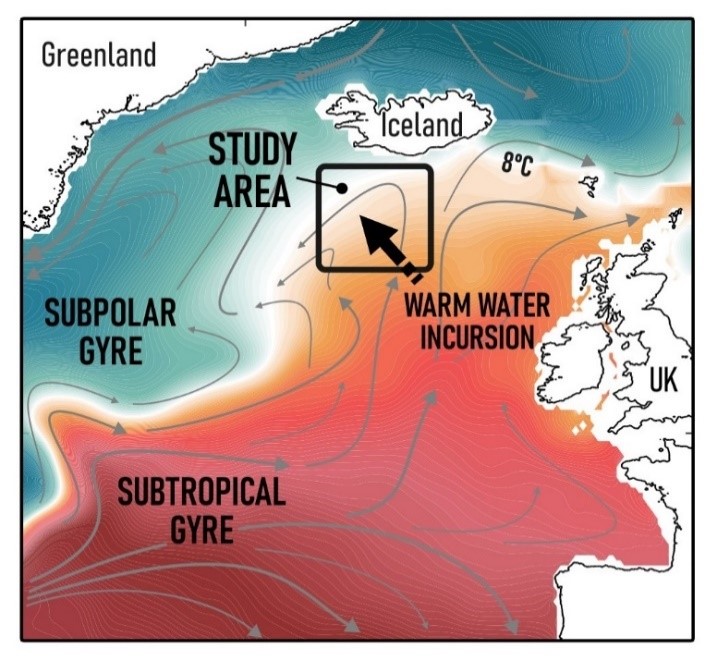
Figure showing the surface circulation of the North Atlantic, and the study region where increasing amounts of
warm subtropical waters have been detected through the 20th century. © P. Spooner & D. Thornalley
Publication Reference:
Spooner et al. (2020) Exceptional 20th century ocean circulation in the Northeast Atlantic. Geophysical Research Letters. DOI 10.1029/2020GL087577.
Post-lockdown free access to over 30 marine biological stations and infrastructures
Press release: May 2020
The ASSEMBLE Plus team are launching a new and final call for access to some of Europe’s best marine research facilities and services, once COVID-19 restrictions are lifted. Researchers from industry and academia are invited to apply for free access to more than 30 international institutions from December 2020 to June 2021. Funded by the European Union, the ASSEMBLE Plus programme supports marine researchers to carry out their own projects using resources not available in their home institutes. The initiative helps participants to enhance their skills, create new collaborations and contribute to scientific understanding.
Since January 2018, the ASSEMBLE Plus Transnational Access (TA) programme has received more than 400 project proposals from European and non-European researchers. Projects have covered a wide range of marine research, including molecular biology, ecology and biochemistry. The many success stories emerging from these projects highlight their value.
Matan Yuval, University of Haifa in Israel, received an ASSEMBLE Plus TA award to work with the Caribbean Netherlands Science Institute in St Eustatius:
“The core aim of my research is automated analysis of the benthos. Utilizing photogrammetry, I study sessile organisms along depth gradients. In Israel, we have access to the Red Sea as well as the eastern Mediterranean.I applied for access in the Caribbean Netherlands Science Institute (CNSI) in St. Eustatius to complement our local results with data from a dissimilar region. In ten days, we carried out over 25 scientific dives and mapped sections of the natural and artificial reefs around the island, and developed ideas and connections. The 3D map-models can be viewed online”.

Miss Kathy Artificial Reef, as mapped during the dives
Applications are now open for this TA programme call. The award covers access costs for up to 30 days, in addition to travel, accommodation and meal expenses for up to two researchers per project.
The deadline to apply for this call is 4th October 2020. This is expected to be the last call for the TA programme and therefore the final opportunity for researchers to benefit.
For more information about the TA programme, previous award holders, eligibility or the application process, please visit assembleplus.eu/access/transnational-access or get in touch with our access officer at assembleplus_ta@embrc.eu. You can follow updates of our project on Twitter at @ASSEMBLE_Plus
Co-creating Sustainable Change in Ireland: Workshop Registration
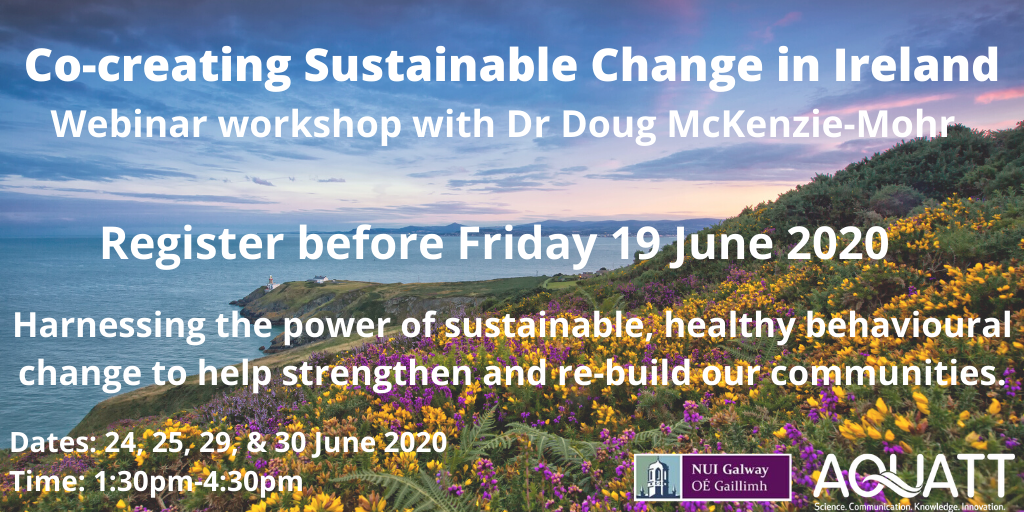
The response to the current Covid-19 emergency has demonstrated the power and impact of collective behavioural change. Now more than ever, Ireland needs to harness the power of sustainable, healthy behavioural change to strengthen and re-build our communities.
AquaTT and NUIG are partnering with renowned Environmental Psychologist, Dr Doug McKenzie-Mohr to organise an online workshop which will be specifically adapted to supporting sustainable change in Ireland. Doug is the founder of community-based social marketing: an effective approach for the design and delivery of programs that foster sustainable behavioural change.
Content
Most programmes to promote health, safety and sustainable behaviours rely upon disseminating information. Research demonstrates, however, that simply providing information has little or no effect on what farmers, businesses, or individuals do. But if not ads, brochures or booklets, then what? Community-based social marketing has emerged as an effective alternative for promoting behaviours that reduce injuries, foster health and protect the environment.
This workshop provides a comprehensive introduction to community-based social marketing and how it can be applied to foster health, safety and sustainable behaviours in Ireland. Those who attend the workshop will learn the five steps of community-based social marketing (selecting behaviours, identifying barriers, developing strategies, conducting pilots, and broad scale implementation) and will be exposed to numerous case studies illustrating its use.
Dates
The workshop will be held over four afternoon sessions (1:30pm – 4:30pm on each day) on Wednesday 24th, Thursday 25th, Monday 29th, and Tuesday 30th June. This timing will allow us to cover the content which is normally included in Doug’s two day, in-person workshops.
Who should attend?
This workshop is targeted at those who fund, design or implement programmes that encourage individuals or organisations to engage in sustainable or healthy behaviours. These include those working in initiatives for waste reduction, water and energy efficiency, watershed protection, pollution prevention, conservation, and transport changes, in addition to environmental education professionals and public health professionals.
Cost
There are three price brackets for the attending the workshop:
- Early bird registration (before 12 June): €350 per person
- Late registration (12-19 June): €450 per person
- Group discount (5 or more people): Available on request
In addition to attending the workshop, all participants will receive an e-copy of Doug’s book, Fostering Sustainable Behavior, access to extra online learning resources and a certificate of attendance. As a bonus offer, participants will also be invited to engage in a follow up mentoring session with Doug to discuss how to apply community based social marketing to their specific programme.
Registration
To secure your place, please register before Friday 19 June. Book early to avoid disappointment, places are limited. Participants will receive a link to access the workshop via email on the morning of the first workshop (24 June).
Payment and Cancellation Policy
Participants must pay in advance to receive access to the workshop.
Participants who wish to cancel their registration will receive a full refund if cancellation is made before Wednesday 17 June. For cancellations between Wednesday 17 and Monday 22 June, participants will receive a 50% refund. Any cancellations after 22 June will not receive a refund of the fee paid.
If you want to change the name for a particular reservation, you must inform AquaTT before Tuesday 23 June 2020.
We hope that you will avail of this unique opportunity to learn techniques that will help to create a more sustainable, healthy Ireland. We would be grateful if you could please share this opportunity amongst your colleagues and please let us know if you or anyone in your network would be interested in joining the workshop.
If you have any questions, please do not hesitate to contact Sive Finlay, AquaTT Communications Manager, sive@aquatt.ie
ATLAS Project compendium of results now available for download

The EU-funded Horizon2020 ATLAS Project has published its compendium of results, detailing the key achievements of the four-year project.
The compendium, which captures the ATLAS team’s key outputs, results and activities, contains numerous case studies, statistics and insights from the project, and outlines the steps required to further the project's amibitious goals through future research.
The ATLAS project is the largest assessment of deep-sea Atlantic ecosystems undertaken to date, and involved over 70 leading scientists from 12 countries. Alongside traditional approaches, ATLAS scientists have used the latest technology and developed new methods and models, including environmental DNA approaches and innovative low-cost camera systems, to search water and sediment samples for known and undiscovered deep-sea species. ATLAS has carried out pioneering research and discovered new benthic communities and species, developing a vast knowledge base that has already contributed to international policies and strategies. This knowledge ensures that deep-sea Atlantic resources are managed effectively, and lays the foundations for future Blue Growth.
To download the full interactive PDF in both low and high resolution via Zenodo, please click here.
To learn more about the ATLAS Project, please visit eu-atlas.org.
Call for Blue Economy Early Stage Technologies
Press release: 15 July 2020
A new programme has been launched that will support researchers in Europe to develop routes to market for early stage technologies (EST) in the Blue Economy.
The Blue Economy Technology Transfer Programme, organised and led by the EMPORIA4KT project funded by the EU Interreg Atlantic Area Programme, will provide researchers with the unique opportunity to get free, expert support in developing their EST route to market
António Grilo, EMPORIA4KT Coordinator, said “Despite the significant research and investment that goes into developing Blue Economy technologies, they often fail to progress from the lab to market. The expert mentorship provided by our programme supports technology owners and researchers to turn their ideas into commercially viable products”.
Researchers resident in France, Ireland, Portugal, Spain and the UK are invited to submit Early Stage Technologies related to the Blue Economy. Selected ESTs (3 per country) will have commercialisation routes developed by national research teams. Each team will receive expert advice and training from mentors at EMPORIA4KT partner institutions.
Researchers should view the application details at https://www.emporia4kt.com/ttprogramme. For additional questions, please visit this page to find details of the contact person for each of the five participating countries.
Research teams will focus on best EST market fit, how to obtain funding, insights into the most cost-effective roadmap for development, and how to take industry standards and regulations into account. The outcome will be a detailed commercialisation strategy (owned by the EST-owner) to develop the technology further and increase the likelihood of transfer to market.
The programme will conclude with a brokerage event in Brussels, where the 15 selected technologies from across the five participating countries will be presented to an audience of international Blue Economy expert stakeholders. One EST will be selected to receive additional funding for further proof-of-concept studies.
Technologies submitted for consideration must be at a Technology Readiness Level (TRL) from 1 to 4 and developed at a higher education institution or research organisation. Entry submission is free and any costs for required travel for successful EST owners will be covered by EMPORIA4KT. Confidentiality will be assured throughout the programme and the route to commercialisation developed by each team will include a strategy for intellectual property protection that can be used by the technology owner.
For full information about the programme, including eligibility criteria and application details, please visit https://www.emporia4kt.com/ttprogramme. The deadline for applications is 14 September 2020.
Notes for editors
The EMPORIA4KT project will run from 2019 – 2022 with an overall budget of approximately €2.2 million. EMPORIA4KT (EAPA_842/2018) is funded by the European Union’s Interreg Atlantic Area European Regional Development Fund.
EMPORIA4KT is coordinated by Universidade Nova de Lisboa – Faculdade de Ciências e Tecnologia (Nova School of Science and Technology). AquaTT is the project communication and dissemination partner. The project involves partners from Portugal, Ireland, France, Spain and the United Kingdom - NOVA School of Science and Technology, NOVA University Lisbon (FCT NOVA), Fundación Pública Centro de las Nuevas Tecnologías del Agua (CENTA), Frontier IP Group PLC (FIP), AquaTT UETP CLG (AquaTT), Agrocampus Ouest – Site de Begmeil (AOB), International Campus of Excellence of the Sea (CEIMAR), Strane Innovation S.A.S. (STRANE), Technopole Quimper-Cornouaille (TQC), Corporación Tecnológica de Andalucía (CTA), Sociedade Portuguesa de Inovação (SPI), Liverpool John Moores University (LJMU), Direção-Geral de Recursos Naturais, Segurança e Serviços Marítimos (DGRM), Agencia Andaluza del Conocimiento (AAC) and Údarás na Gaeltachta (ÚnaG). Working collaboratively across these countries will enable the share of resources and knowledge by five countries with significant interest in the sustainable exploitation of marine resources.
The views in this press release are the views of the author and do not reflect the views of the European Union.
AquaTT seeking Communications Project Officer for immediate start
| Role | Communications Project Officer |
| Type | Full-time 24-month contract with potential for renewal. Eight-month probation period with reviews in month two and month eight. Position available immediately. |
| Location | AquaTT offices in Dublin city centre. *Currently remote working due to Covid-19 restrictions, to be discussed at interview. |
| Application deadline | 12 August 2020, 17:30hrs CET |
| Application documents |
The following documents should be addressed to Laura Richardson, AquaTT HR Manager and sent electronically to: jobs@aquatt.ie A well-motivated application letter outlining why you feel you are a suitable candidate and possess the necessary skills and experience to fulfil the requirements of the role. A CV addressing our essential criteria, preferably including contacts for referees (note that a current employer referee will not be contacted until the position is offered). Candidates are invited to send examples of their work but this is not obligatory. |
At AquaTT we believe that scientific research can, and should, enrich our lives and help deliver a sustainable future for humanity. We understand that, for this to happen, research results must reach the relevant decision makers, policy creators, scientists, industry groups and the wider public. We work with European funded scientific projects to help ensure that the new knowledge they generate is effectively transferred to create maximum positive impact. We use our skills to make a difference and help research benefit society.
For almost 30 years, AquaTT has proven itself as an expert at managing European projects. With strategic focus on knowledge management and transfer, communication, dissemination and training, AquaTT collaborates with over 350 institutions in more than 40 countries, operating in research domains such as Marine Science, Environment, Water, Health, Climate Change, Energy and Food. We have a track record in successfully pursuing, acquiring and managing a significant number of grants (across the main European Union Funding Programmes such as FP7, H2020, Interreg, Erasmus+ and LIFE), enabling us to build a knowledge-based organisation with key networks among national and European stakeholders. The company has an inventive and collaborative culture, where employees are valued and inspired as well as rewarded for their ideas and contributions.
A description of AquaTT and its project portfolio is available on our website (aquatt.ie).
DESCRIPTION OF POSITION
The Communications Project Officer (CPO) will play an integral role in supporting communication activities across AquaTT’s projects (currently 17 open projects). In addition, the CPO will be responsible for carrying out AquaTT’s day-to-day role in specific European projects, ensuring their success for both AquaTT and our partnerships. AquaTT’s roles in projects typically include dissemination, communication, education, stakeholder engagement and knowledge management and transfer. Given the international dimension of the projects, travel may be required (depending on the Covid-19 situation).
This is a great opportunity for a motivated individual to join a creative, dynamic organisation with a focus on using research to create a better, more sustainable society. Specific responsibilities include (but are not limited to):
A) Communication Activities Across Projects
- As part of the Communications team, work with and support AquaTT’s Project Officers to develop, copy edit and proofread content for promotional material such as press releases, newsletters, leaflets, brochures, infographics, videos, project websites, social media etc.
- Assist Project Officers to develop media stories to promote the work of their projects through various channels.
- Work in close collaboration with AquaTT’s graphic designers and print suppliers to develop promotional material.
- Copy edit and proofread other material from AquaTT’s staff, such as highly visible reports for business development clients.
- Carry out quality control checks on all promotional material.
- Disseminate promotional materials through AquaTT's online channels.
- Manage and enhance the AquaTT website and social media channels, increasing digital audience reach and awareness.
- Fulfil administrative requirements and other appropriate activities as requested by the Management team.
B) Project Management of Specific Projects
- Manage a portfolio of European-funded projects, delivering AquaTT’s contractual obligations on time, to a high standard and within budget.
- Tasks include generating high quality deliverables, on-time reporting, writing press releases and promotional materials, content management of project websites and several social media channels (e.g. Twitter, LinkedIn, Facebook), presenting at conferences, budget management and monitoring, event management (including effective meeting contributions), etc.
- Facilitate and carry out efficient and effective dissemination and communication of the activities and results of the assigned projects, including contribution to knowledge transfer.
- Create and maintain excellent partner and stakeholder relationships, including representing AquaTT externally.
REQUIRED SKILLS AND EXPERIENCE
Candidates must have a strong background in communications and public engagement. Experience with science communications and/or project management of research is a bonus. The successful candidate will be a proactive team player with the ability to create and maintain strong relationships among internal and external stakeholders. He or she will possess exemplary communication skills, strong planning and organisational abilities, initiative, attention to detail and cultural sensitivity for working within an international context. The CPO should have a creative approach to problem solving and experience with adapting key messages to suit different audiences.
Essential Criteria:
- EEA work authorisation
- Educated to diploma/degree level in a relevant area e.g. science communications/public relations/media/marketing/journalism. Candidates with relevant work experience in lieu of qualifications may also be considered.
- At least two years’ previous experience in a comparable role.
- Fluent written and spoken English. Additional European languages are a strong asset.
- Excellent writing skills and ability to produce quality content, including press releases, for a variety of platforms.
- Able to copy edit and proofread to a high standard.
- Candidates should have the ability to craft and adapt research-based stories to suit different target audiences.
- Experience with digital communications and managing social media platforms e.g. Facebook, Twitter, LinkedIn, YouTube.
- Excellent interpersonal skills, ability to collaborate and work in a team in a multicultural environment.
- Ability to communicate clearly, courteously, and professionally to both scientific and other stakeholders.
- Excellent attention to detail, pro-active, diligent, willing to learn, dedicated and responsible.
- Excellent project and time management skills: highly organised, ability to work on several projects simultaneously and to prioritise tasks efficiently.
- Commitment to delivering on allocated tasks, with a high level of attention to detail.
- Ability to work to strict deadlines in a fast-paced environment.
Desired criteria:
- Active interest in science/science communication/research.
- Desktop publishing skills/Adobe software or similar.
- Excellent digital communication skills (knowledge of SEO, social media strategy and marketing are a bonus).
- Website management skills and ability to use Content Management Systems (e.g. WordPress or similar).
- Knowledge and understanding of Irish and international media environment.
- Personal interest in and enthusiasm for playing a role in creating a culture change to facilitate the increased uptake of scientific knowledge, leading towards a more sustainable future for humanity.
INTERVIEWS
First round interviews will be held virtually (Skype/Zoom) during the week of 17–21 August.
Candidates invited for final interviews will be asked to complete tasks to assess their ability to carry out the type of responsibilities involved in this role to a high standard.
Dependent on HSE guidance, final interviews will be held in person at the AquaTT offices (Olympic House, Dublin 8).
REMUNERATION
The salary scale for this position ranges from €31,669 to €36,713. The starting point for the successful candidate will depend on experience and qualifications.
CONDITIONS
Holiday entitlements are 20 working days per annum and an additional 5 days of company holiday leave is given over the Christmas period. Internal and external training opportunities (relevant to the role) will be provided. Several extra benefits are provided, including pension option.
Overtime may be required to meet deadlines as part of the contract. National and some international travel may be required.
For informal queries about this role, please contact Sive Finlay, Communications Manager, sive@aquatt.ie
New standardisation of cryopreservation protocols for marine organisms
Press release: September 2020

Researchers from the ASSEMBLE Plus project have launched a repository of methodologies for the cryogenic preservation of marine organisms. The Cryomar Protocol Toolbox represents a collaborative effort from researchers across Europe from several marine biological stations.*
Cryopreservation, which involves the cooling of organic materials and tissues to very low temperatures for the purposes of preservation, has applications in breeding, conservation, and bio-banking, as well as general marine research. The easy access to biological material is beneficial for basic and applied research, cryopreserved biological material is accessible independently of the season, weather conditions or location. It is a helpful tool on biodiversity conservation and for the R&D industry by providing a safe way to store and access specific biological material in the future with guaranteed genetic stability.
“Cryobanking has been used for decades in land-based animal husbandry, yet cryopreservation protocols have been developed for fewer marine species than land animals” explained Estefania Parades Rosendo, Research Scientist at the Universidad de Vigo and lead author of the report. “Whilst interest in this area of research is steadily developing, there has generally been a general lack of standardisation across studies. Having access to biological material in a constant and reliable way is a very exciting prospect for marine science”.
This publication provides a standardised methodology for cryopreservation including obtaining gametes, and quality control prior and after cryopreservation. The species covered include:
- Marine invertebrates: Mediterranean mussel (Mytilus galloprovincialis), Portuguese oyster (Crassostrea angulata), Sea urchin (Echinocardium cordatum, Echinus esculentus, Paracentrotus lividus, Spaherechinus granularis), Sea cucumber (Holoturia foskali)
- Macroalgae: Red seaweed (Porphyra umbilicalis)
- Microalgae: Amphidinium carterae, Dunaliella salina, D. minuta, D. tertiolecta, D. velox, D. viridis, and D. bioculata among many others.
- Fish: Zebrafish (Danio rerio), Senegalese sole (Solea senergalensis) and Thicklip grey mullet (Chelon labrosus)
- Microbial consortia
As part of its online conference due to take place in November, ASSEMBLE Plus will host a cryopreservation-focused brokerage event, where researchers from the project will present and discuss their findings. This offers a great opportunity for interested parties to find out more about the project, whether they come from a research background, or from aquaculture, conservation, fisheries management, or other areas.
More details about the event will be made available on the ASSEMBLE Plus website and Twitter (@ASSEMBLE_Plus) in the coming weeks. To register your interest in the event, please contact georgia@aquatt.ie.
*The marine stations involved are the Universidad de Vigo (Spain), Sorbonne Université (France), the Scottish Association for Marine Science (SAMS; UK), The University of the Basque Country (Spain), Royal Netherlands Institute for Sea Research (NIOZ; Netherlands), Universidade do Algarve (Portugal) and the Marine Biological Association (MBA; UK).

Sphaerechinus granularis at Ria de Vigo (Spain) by Alicia Sobrino
Mentoring and training opportunity for early-career Blue Economy researchers
Press release: 11 September 2020
A new mentoring programme has been launched that will support early-career, Blue Economy researchers in Europe to improve their innovation and technology transfer skills.
The Blue Economy Technology Transfer Programme, organised and led by the EMPORIA4KT project funded by the EU Interreg Atlantic Area Programme, will provide researchers in France, Ireland, Portugal, Spain and the United Kingdom with the unique opportunity to gain vital Knowledge Transfer (KT) skills for their future careers in Blue Economy innovation.
António Grilo, EMPORIA4KT Coordinator, said “To meet the EU-wide ambition of creating a sustainable Blue Economy, we need to support our early-career researchers to develop their innovation, technology transfer and commercialisation skills. The expert mentorship provided by our programme equips researchers with the practical experience needed to transfer great ideas into commercially viable products. I am excited to see the outcomes of this fantastic initiative”.
Participants will learn how to direct Research and Development towards market, industry and public/private investment. They will also explore how to de-risk the Early Stage Technology (EST) development process and how to make EST more attractive to investment.
Participants will complete online workshops that focus on skills related to innovation and technology transfer activities. This will be followed by a 9-month mentoring programme during which national teams of researchers will determine the best commercialisation routes for real case studies of Early Stage Technologies in the Blue Economy (drawn from EMPORIA4KT’s parallel Call for Technologies).
The programme will conclude with a brokerage event in Brussels, where teams selected from earlier national events across the five participating countries will pitch their EST commercialisation plan to an audience of international Blue Economy expert stakeholders. One EST will be selected to receive additional funding for further proof-of-concept studies.
Applications, mentoring and online training workshops are all free. Any costs for required travel will be covered by EMPORIA4KT.
The programme is open to early-career researchers (current PhD students or those who are within 3 years of graduating from their PhD) who are working at a Higher Education Institution or Research Centre in France, Ireland, Portugal, Spain or the UK. For full information about the programme, including eligibility criteria, application details, and national contact points, please visit https://www.emporia4kt.com/ttprogramme. The deadline for applications is 16 October 2020.
Ocean acidification puts deep-sea coral reefs at risk of collapse
Press release: 17 September 2020
Deep-sea coral reefs face challenges as changes to ocean chemistry, triggered by climate change, cause their foundations to become brittle.
The underlying structures of the reefs – which are home to a multitude of aquatic life – could fracture as a result of increasing ocean acidity caused by rising levels of carbon dioxide.
Hundreds of metres below the surface of the ocean in Southern California, researchers measured the lowest – therefore the most acidic - pH level ever recorded on living coral reefs. Then they raised the corals in aquaria for one year at these levels.
Scientists observed that the skeletons of dead corals, which support and hold up living corals, had become porous due to ocean acidification, and rapidly become too fragile to bear the weight of the reef above them.
Previous research has shown that ocean acidification can impact coral growth, but the new study demonstrates that porosity in corals, known as “coralporosis”, leads to weakening of their structure at critical locations.

Picture showing live and dead coral skeletons in acidified water. Once the coral dies, the skeleton can be corroded by the acidified water. See also supplementary video clip here © Sebastian Hennige
This causes early breakage and crumbling that may cause whole coral ecosystems to shrink dramatically in the future, leaving them only able to support a small fraction of the marine life they are home to today.
The findings complement recent evidence of porosity in tropical corals, but demonstrate that the threat posed by ocean acidification is far greater for deep-sea coral reefs.
The study was led by University of Edinburgh scientists, together with researchers from Heriot-Watt University and the National Oceanic and Atmospheric Administration (NOAA), and was funded by the EU ATLAS and iAtlantic projects, the Natural Environment Research Council, and NOAA.
The team identified how reefs are becoming fractured by analysing corals from the longest-running laboratory studies, and by diving with submersibles off US Pacific shores to observe how coral habitat is lost as the water becomes more acidic.
Dr Sebastian Hennige, of the University of Edinburgh’s School of GeoSciences, said: “Corals don’t just exist in the tropics. Deep-sea coral reefs are beautiful, fragile environments that play a vital role in the health and biodiversity of our oceans. This study highlights that a major threat to these wonderful ecosystems is structural weakening caused by ocean acidification, driven by the increasing amounts of carbon dioxide we produce. Our work highlights the vital importance of scientists from different disciplines and countries coming together to understand and tackle global challenges.”
The corals in Southern California – on the most acidified reefs studied to date – are already experiencing the effects of climate change and exist in conditions that most deep-sea reefs are expected to encounter by the end of the century.
Dr Peter Etnoyer, of NOAA’s National Centers for Coastal Ocean Science, said: “Deep-sea corals growing off Southern California are a window into the future ocean. The region is a natural laboratory to study the effects of ocean acidification.”
Submersibles were launched from NOAA ships off Southern California and were guided by Dr. Peter Etnoyer and graduate student Leslie Wickes.

Coral in non-corrosive water off Southern California Bight © NOAA
The US team sampled live and dead corals and returned them to the laboratory for experiments. The UK team applied engineering principles to demonstrate the rapid weakening of the skeletons and discovered a striking similarity to the weakening observed in human bones from osteoporosis.
The team says that the link between osteoporosis and coralporosis opens up a range of methods and concepts that can be adapted in the challenge of monitoring and predicting the fate of such fragile deep-sea ecosystems and the life they support.
‘By adapting strategies routinely used to monitor osteoporosis and assess bone fracture risk to instead understand coral reefs, we may have powerful non-invasive tools at our disposal to monitor these fragile ecosystems’ said Dr Uwe Wolfram of Heriot-Watt University.
Tools developed as part of the project will aid understanding of when ocean ecosystems will change and how it will affect marine life.
This will better equip society to deal with how these vulnerable ecosystems can be protected in the future, and will support the UN Decade of Ocean Science – which starts in 2021 – to deliver the science we need, for the ocean we want, the team says.
Prof J Murray Roberts at the University of Edinburgh, who leads the ATLASand iAtlantic programmes, said "Cold-water corals are truly the cities of the deep-sea, providing homes to countless other animals. If we lose the corals the city crumbles. This study is a great example of how we can work across the Atlantic and Pacific Oceans to understand the impacts of rapidly changing ocean conditions."
The research, published in the journal Frontiers of Marine Science, was funded by the Natural Environment Research Council, the European Union's Horizon 2020 Research and Innovation Programme (Grant agreements 678760 (ATLAS) and 818123 (iAtlantic)) and NOAA, and supports increasing efforts to understand how reefs of the future will look, and what we can do to preserve them and the life they support.
Publication Reference: Hennige et al (2000). Crumbling Reefs and Cold-Water Coral Habitat Loss in a Future Ocean: Evidence of “Coralporosis” as an Indicator of Habitat Integrity. Frontiers in Marine Science.doi: 10.3389/fmars.2020.00668
Additional images and videos for use by the media are available here
For more information on the study, please contact Dr Sebastian Hennige, University of Edinburgh. S.Hennige@ed.ac.uk
This story was also publicised by University of Edinburgh on 17 September 2020.
ASSEMBLE Plus: Final call for funded access to marine infrastructures

The ASSEMBLE Plus final call for applications is fast approaching. Apply by the 4th of October 2020 to access some of Europe’s best marine research facilities and services.
Researchers from industry and academia are invited to apply for free access (on-site or remote) to more than 30 institutions between December 2020 and June 2021. Funded by the European Union’s Horizon 2020 framework, the ASSEMBLE Plus programme supports researchers in carrying out their own projects using resources not available in their home institutes. The initiative helps participants to enhance their skills, develop new collaborations and contribute to scientific understanding in the field of marine biology.
Since January 2018, the ASSEMBLE Plus Transnational Access (TA) programme has received more than 400 project proposals from European and non-European researchers. Projects have covered a wide range of marine research areas, including molecular biology, ecology, and biochemistry. Their value is highlighted by the many success stories emerging from these projects.
Daniel Wangpraseurt, University of Cambridge, received an ASSEMBLE Plus TA award to work with the Interuniversity Institute for Marine Sciences, Israel (IUI):

“I applied to ASSEMBLE Plus because I wanted to study the coral reefs of the Red Sea. At IUI, we were able to access deep sea corals and study their light harvesting capacities in comparison to their shallow water counterparts. This allows us to understand the life and functioning of these mesophotic ecosystems and also sheds light on the evolutionary adaptations that allow corals to thrive under dim light conditions, which also has potential biotechnological implications. The research performed in the ASSEMBLE Plus scheme has led to important collaborations and excellent networking opportunities.”
Applications are now open for this TA programme call and will close on the 4th of October 2020. The award covers use of facilities and services for up to 30 days, in addition to travel, accommodation and meal expenses for up to two researchers per project. The ASSEMBLE Plus team will work with applicants to ensure that the awarded TA projects can be performed as soon as COVID-19 travel restrictions allow.
For more information about the TA programme, previous award holders, eligibility and the application process, please visit assembleplus.eu/access/transnational-access or get in touch with our access officer at assembleplus_ta@embrc.eu. You can follow project updates on Twitter at @ASSEMBLE_Plus
Notes for Editors
This project has received funding from the European Union's Horizon 2020 Research and Innovation programme under Grant Agreement no. 730984 (ASSEMBLE Plus). The project began in October 2017 and will run until September 2021. The project is coordinated by Sorbonne Université.
For press queries, please contact Anne-Marie Tremblay (amt@embrc.eu).
The REvivED water project's legacy for future desalination
The Beginning of a Promising Future

The demand for safe drinking water is outgrowing the planet’s natural supply at an alarming rate. At the same time the world has already begun experiencing the impacts of global climate change, driven by unsustainable energy practices, which will have increasing negative impacts on fresh water availability. There is therefore an urgent need for affordable, low energy desalination solutions capable of addressing the water crisis.
The REvivED water project, a research and innovation project funded under the EU’s Horizon 2020 programme in the field of ‘low-energy solutions for drinking water’ which ran from 2016 to 2020, has taken great strides in advancing desalination technology and understanding towards addressing this need. The project brought together extensive partner experience to develop innovative technologies and applications for electrodialysis in desalination.
In electrodialysis, an electric current is applied to salty water, causing the salt ions to pass through ion exchange membranes, leaving desalinated water behind. This technology can have in principle lower energy requirements than reverse osmosis. It is also more resilient to power fluctuations and therefore more readily adaptable to direct connection with renewable energy sources such as solar and wind power. REvivED water recognised the potential of this technology to be implemented in varying ways across the highly diverse water supply sector and so targeted three distinct applications: small standalone units for desalinating brackish water, large-scale multi-stage units for seawater desalination and the integration of electrodialysis units with existing reverse osmosis systems to improve energy efficiency.
Overall, the REvivED water project has laid the groundwork for several promising options for electrodialysis in the future of desalination. The ground-breaking research, new technologies and methods, innovative dynamic modelling and remote operating systems are all important steps towards a future where safe drinking water is easily accessible, low cost and significantly less energy-intensive.
Safe Water from Brackish Sources
Beginning in 2018 the project began installing small standalone desalination systems for rural areas powered by solar energy. These novel systems incorporated new designs and technologies developed by the partners in the project and proved effective at treating brackish water of varying salinities. Although the project is now concluded, seven of these units are still operating in rural communities in East Africa and India and spare parts have been set aside for each units’ maintenance post-project.

The success of these units has opened up a hopeful front in the battle against dwindling fresh water resources in remote areas with logistic and environmental challenges. These units were the subject of a Smarter E award that was presented to partner Phaesun. Several project partners have active plans for follow-on work that will focus on standardising the manufacture of these units and making them commercially affordable to those communities that need them most. Their efficiency and remote-capable operation also provides potential add-on options for incorporating further amenities that might be otherwise difficult to secure in these areas.

Electrodialysis for Seawater Desalination
In an effort to develop an alternative seawater desalination solution, the latest innovations in ion exchange membranes and stacks were incorporated into a novel multi-stage electrodialysis system. REvivED water researchers applied reverse electrodialysis (RED) as a pre-desalination step on an industrial-scale pilot electrodialysis unit. This approach can be used when a low salinity water stream is also available. This reduces the desalination load on the main electrodialysis process without requiring any energy input.
The 25 m3/day pilot (R)ED unit is currently being successfully run with seawater at Afsluitdijk in the Netherlands and has demonstrated the core concepts of this method. While this process shows promise for eventual implementation in the drinking water industry, the partners of REvivED water have also been examining how it might benefit industrial extraction and production technologies, many of which require fresh water for separation and other processes. Early adopters in these sectors would not only reduce the overall energy and fresh water cost of certain products, but would also help accelerate the continued development of (R)ED technology for implementation in the drinking water sector.

Integration with Established Technologies
Reverse osmosis is a more established technology and its use is widespread, particularly within the drinking water and water reclamation sectors. REvivED water scientists therefore explored ways in which their research might improve the overall efficiency of established reverse osmosis plants in order to reduce the economic and carbon footprint of desalination in general. They designed an electrodialysis unit that can be installed as a pre-desalination step in existing reverse osmosis systems. Their tests have demonstrated that their unit can allow a reverse osmosis system to make more drinking water from the same amount of seawater while consuming less overall energy.
In 2019 the project demonstrated the potential of this arrangement through a 25 m3/day seawater desalination unit that was installed in an active wastewater treatment plant, operated by the company FACSA in Burriana, Spain. The treated wastewater has been used to demonstrate the option of adding a reverse electrodialysis (RED) pre-desalination step. The success of this trial has shown promise for further development and several partners have discussed plans for the next steps in commercialising this technology, such as standardised manufacturing, targeted markets and expanded trials.

Save-the-date for the online ASSEMBLE Plus Conference
ASSEMBLE Plus is proud to announce that its first conference will take place online between the 18th and 29th January 2021.
“ASSEMBLE 2021 - Marine biological research at the frontier” will showcase recent developments in marine biology and ecology; state-of-the-art technologies available at marine stations and institutes; how to access biological resources and marine research infrastructure; how to improve services provided by marine stations; and the impact of the services provided on industry and society. In addition, it will provide an opportunity to celebrate the project’s research on genomic observatories, cryobanking marine organisms, functional genomics, instrumentation, and scientific diving.
ASSEMBLE 2021 will feature lectures, debates, technology demonstrations and round tables. Participation is open to all marine stakeholders. Please download the conference’s save-the-date flyer and share with your networks.
More information about the conference will be made available soon on www.assembleplus.eu. To stay up-to-date with the latest information, please register your interest by contacting ASSEMBLE Plus’ Communications Officer, Georgia Bayliss-Brown (georgia@aquatt.ie).
You can also follow updates for this project on Twitter at @ASSEMBLE_Plus.
Notes for Editors
This project has received funding from the European Union's Horizon 2020 Research and Innovation programme under Grant Agreement no. 730984 (ASSEMBLE Plus). The project began in October 2017 and will run until September 2021. The project is coordinated by Sorbonne Université.
For press queries, please contact Anne-Marie Tremblay (anne-marie.tremblay@sorbonne-universite.fr).
Creating Sustainable Behaviour Change: Online workshop
In response to changing demand, the workshop is now scheduled for one week later than the advertised dates. The new, confirmed workshop dates are Monday 1st to Wednesday 3rd of February, 2021. The learning outcomes and content of the workshop will be the same, however it will begin and end one hour earlier each day: 12:30-16:30 GMT (13:30 to 17:30 CET) on each day.
If you are interested in attending the workshop on the new dates, please contact Sarah at events@aquatt.ie
The response to the current Covid-19 emergency has demonstrated the power and impact of collective behavioural change. Now more than ever, we need to harness the power of sustainable, healthy behavioural change to strengthen and re-build our communities.
AquaTT has partnered with leading Environmental Psychologist, Dr Doug McKenzie-Mohr to organise an online workshop which will be specifically adapted to supporting sustainable change in UK and Ireland. Doug is the founder of community-based social marketing: an effective approach for the design and delivery of programs that foster sustainable behavioural change.
Building on the success of our previous workshop in June 2020 (almost 100 participants representing county councils, government departments, state agencies, charities, healthcare and environmental organisations), we are hosting an introductory workshop on Community Based Social Marketing from 25-27 January 2021.
Who should attend?
The workshop is targeted at those who design or fund programmes that encourage individuals or organisations to engage in sustainable or healthy behaviours. These include those working in initiatives for environmental protection, sustainability, water and energy efficiency, pollution prevention, conservation, and transport changes, in addition to environmental education, social innovation, healthcare and public health professionals.
Content
Most programs to promote health, safety and sustainable behaviours rely upon disseminating information. Research demonstrates, however, that simply providing information has little or no effect on what businesses, organisations or individuals do. But if not ads, brochures or booklets, then what? Community-based social marketing has emerged as an effective alternative for promoting behaviours that reduce injuries, foster health and protect the environment.
This workshop provides a comprehensive introduction to community-based social marketing and how it can be applied to foster health, safety and sustainable behaviours. Those who attend the workshop will learn the five steps of community-based social marketing (selecting behaviours, identifying barriers, developing strategies, conducting pilots, and broad scale implementation) and will be exposed to numerous case studies illustrating its use.
Dates
The workshop will be held over three afternoon sessions (1:30pm – 5:30pm GMT on each day) on Monday 25th, Tuesday 26th and Wednesday 27th of January 2021.
Cost
There are three price brackets for the attending the workshop:
• Early bird registration: €350 per person – register before 16/12/2020
• Group discount (5 or more people): €300 per person
• Individual registration: €400 per person (registration between 17/12/2020 and 20/01/2021)
In addition to attending the workshop, all participants will receive an e-copy of Doug’s book, Fostering Sustainable Behavior, access to extra online learning resources and a certificate of attendance.
Registration
To secure your place, please register before Wednesday 20 January 2021 (note that early bird rates close on 16th of December 2020). Book early to avoid disappointment, places are limited. In advance of the first workshop session, participants will receive a link via email to access the Zoom call.
Payment and Cancellation Policy
Participants must pay in advance to receive access to the workshop.
Participants who wish to cancel their registration will receive a full refund if cancellation is made before Wednesday 13 January 2021. For cancellations between Wednesday 13 and Wednesday 20 January, participants will receive a 50% refund. Any cancellations after 20 January will not receive a refund of the fee paid.
If you want to change the name for a particular reservation you must inform AquaTT before Wednesday 20 January.
If you need to pay by invoice or would like to discuss pricing options further, please feel free to contact us.
If you have any questions, please do not hesitate to contact Sarah Sarsfield, AquaTT Communications and Project Officer at events@aquatt.ie
Richard Fitzgerald Award 2020
Congratulations to Jayne Stephens, PhD student at the School of Biomolecular and Biomedical Sciences in University College Dublin and recipient of the 2020 Richard Fitzgerald Memorial Prize for the Best Aquatic Poster at Environ 2020.
Jayne received the award for her poster entitled "Tide: A driver of faecal indicator bacteria levels in bathing waters" .
The prize is awarded annually at the ESAI Environ conference in memory of one of AquaTT's founding fathers and esteemed figure in Irish aquaculture research and development, Richard Fitzgerald.
Building Sustainable Change for Europe

Download the flyer for the event
The response to the current Covid-19 emergency has demonstrated the power and impact of collective behavioural change. Now more than ever, we need to harness the power of sustainable, healthy behavioural change to strengthen and re-build our communities.
AquaTT has partnered with leading Environmental Psychologist Dr Doug McKenzie-Mohr to host an online workshop that will be specifically adapted to supporting sustainable behaviour change in Europe.
Building on the success of our previous workshop in June 2020 (almost 100 participants representing county councils, government departments, state agencies, charities, healthcare and environmental organisations), we are expanding to offer an online introductory workshop on Community Based Social Marketing for a European audience in February 2021.
Who should attend?
The workshop is targeted at those who design or fund programmes that encourage individuals or organisations to engage in sustainable or healthy behaviours. These include people working in initiatives for environmental protection, sustainability, water and energy efficiency, pollution prevention, conservation, and transport changes, in addition to environmental education, social innovation, healthcare and public health professionals.
Content
Most programs to promote health, safety and sustainable behaviours rely upon disseminating information. Research demonstrates, however, that simply providing information has little or no effect on what businesses, organisations or individuals do. But if not ads, brochures or booklets, then what? This workshop provides a comprehensive introduction to community-based social marketing and how it can be applied to nurture healthy, safe and sustainable behaviours.
Note that this workshop will be delivered through English.
Dates
The workshop will be held over three afternoon sessions (13:30 – 17:30 CET on each day) from the 1st-3rd of February 2021.
Cost
There are three price brackets for the attending the workshop:
• Individual registration: €400 per person
• Early bird registration: €350 per person – register before 20/01/2021
• Group discount (5 or more people): €300 per person
Further discounts may be available to organisations in exchange for help with promoting the workshop to their members. Please contact us for more information.
In addition to attending the workshop, all participants will receive an e-copy of Dr McKenzie Mohr’s book, Fostering Sustainable Behavior, access to extra online learning resources and a certificate of attendance.
Registration
To secure your place, please register here before Friday 29 January 2021 (note that early bird rates close Wednesday 20 January 2021). Book early to avoid disappointment, places are limited. In advance of the first workshop session, participants will receive a link via email to access the Zoom call.
Additional information
Should you require any further information, please contact Sarah at events@aquatt.ie. We would be happy to provide you with more information or discuss how this workshop could benefit your organisation.
EU Horizon 2020 project, TechOceanS launched to revolutionise ocean observations and measurements
![Left: photograph of Lab on chip chemical sensors (foreground) with Autonomous Underwater Vehicle (submarine) Autosub long range behind. Right CAD model showing Autosub long range with seven Lab On Chip nutrient sensors in the nose and four Lab On Chip and one electrochemical sensor for the ocean carbonate (CO2) system at the stern. [©NOC]](/TechOceanS_Autosub_NOC.png)
Left: photograph of Lab on chip chemical sensors (foreground) with Autonomous Underwater Vehicle (submarine) Autosub long range behind. Right CAD model showing Autosub long range with seven Lab On Chip nutrient sensors in the nose and four Lab On Chip and one electrochemical sensor for the ocean carbonate (CO2) system at the stern. [©NOC]
Press release: 9 November 2020
International ocean technology experts from Cyprus, France,Germany, Greece, Ireland, Italy, Spain and the United Kingdom are uniting to develop a range of new in-situ sensing, imaging and sampling technologies (e.g. on robot submersibles) that will improve our understanding of the chemistry and biology of the oceans.
Funded by a €8.9M grant from the European Union's Horizon 2020 programme, TechOceanS – Technologies for Ocean Sensing – will pioneer five new sensors, two imaging systems, a novel sampler and an Artificial Intelligence-driven image processing methodology, all capable of robust operations at depths beyond 2,000 metres.
TechOceanS will actively engage with scientists, manufacturers, marine stakeholders and resource managers to target “Essential Ocean Variables” that currently can only be measured by observations from a ship. The new technologies developed in the project will enable the capture of vital, previously inaccessible data on the ocean’s biogeochemistry, biology and ecosystems.
The project’s highly interdisciplinary team ensures that the technologies developed will both expand our knowledge of the ocean’s interconnected systems and provide tangible benefits to those industries most directly reliant on them, such as fisheries and aquaculture. The data generated will also support conservation initiatives and provide vital information for policymakers.
Professor Matthew Mowlem, TechOceanS Project Coordinator, said “TechOceanS is an ambitious project that has the potential to revolutionise how we measure and monitor our changing oceans. The exciting technology we’re developing will capture important data that will have a significant impact in diverse areas such as ocean conservation, resource management, blue economy and policy."
TechOceanS will deliver an unprecedented acceleration in the diversity and capability of sensors and measurement systems. Technical ambitions for the project include:
- piloting and demonstrating novel nucleic acid samplers and sensors targeting the genetic code of aquatic organisms to identify them and quantify their populations;
- improving imaging systems and image processing workflows so that machines can turn vast numbers of images into data about species, habitats and plastic pollution;
- producing optical primary productivity (plant growth) and multiparameter optical sensors to measure energy entering the base of the food web and to investigate water quality ; and
- creating biogeochemical and bio-assay enabled lab-on-chip sensors and microcytometers to measure a large number of parameters including: nutrients, carbon dioxide, trace metals, bio-toxins, pollutants, single celled organisms and microplastics.
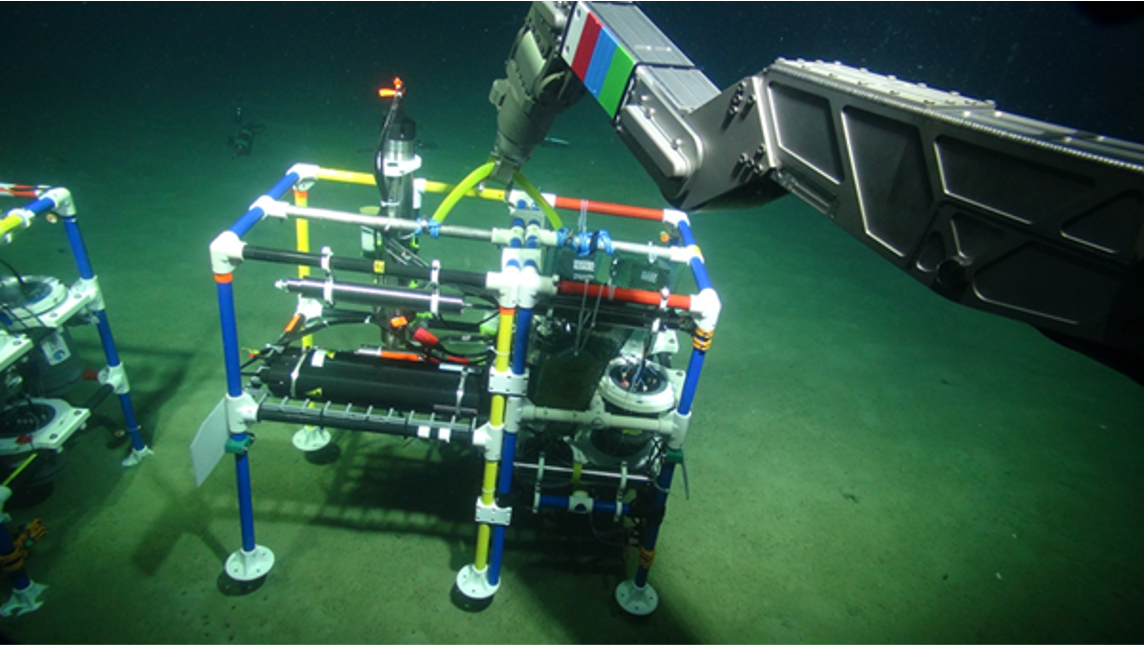
A Deep-diving remotely operated vehicle (ROV) Isis (National Oceanography Centre) enables measurements and experiments at depths unreachable by human divers. Here Isis deploys a raft of sensors to verify the use of sensors in ensuring CO2 remains safely stored subseabed (STEMM-CCS project). TechOceanS will provide ROVs, autonomous robots and other platforms with a suite of new capabilities that will ultimately benefit researchers, fisheries, conservationists, offshore industries and governments who all rely on data to manage sustainability of our oceans [©NOC]
The future impact of these valuable technologies relies on their accessibility. Therefore, TechOceanS technology pilots will be low-cost and place minimal demands on existing infrastructure, allowing them to be made available for use by all countries regardless of resources.
In addition to expanding scientific knowledge of the ocean, TechOceanS will focus on improving “ocean best practices” by working closely with the IOC-UNESCO to develop training and standards covering metrology and operation of measurement systems in addition to the application of management principles, standards, protocols and communications for open access data. In this way, the project will ensure the developed best practices are truly global, inclusive and transparent.
Through the targeted technologies, diverse partner base and cooperation with concurrent projects, TechOceanS will contribute to the growth of scientific knowledge, the transfer of marine technology and other key components of the Blue Economy as described in international accords such as the UN’s Sustainable Development Goals, the G7 Future of the Seas and Oceans Working Group, the Paris Climate Agreement, the UN Decade of Ocean Science for Sustainable Development and the EU Marine Strategy Framework Directive.
Dr Patricia López-García, one of the TechOceanS project managers, said “In addition to the work carried out within the project, TechOceanS will form mutually beneficial links with a number of other projects over its lifetime, such as Nautilos, EuroSEA, Blue-Cloud, iAtlantic, AtlantECO, Euro-Argo ERIC, MISSION Atlantic and others. Through these synergies, we are excited to contribute to a brighter future for our world’s seas.”
The TechOceanS launch meeting will be held on Tuesday 10 November 2020. The first priorities for the project will include targeting key enabling innovations and establishing cross-cutting research activities to accelerate the development of targeted technologies and forming plans with target dates for their testing demonstration and roll out.
For more information, follow @TechOceanS on Twitter, join the LinkedIn group TechOceanS and (from December 2020) check out the project website at www.techoceans.eu.
![Installation of a self-contained, autonomous monitoring system [©NOC]](/TechOceanS_autonomous%20monitoring%20system_NOC.png)
Installation of a self-contained, autonomous monitoring system capable of measuring pH (climate level quality), dissolved oxygen, salinity, temperature and nitrate/nitrite at depths of maximum 50 m. The system includes a satellite telemetry unit for relaying data offshore to a shared server, enabling the measurements to contribute to global observing systems/portals such as GOOS/GOA-ON. Photo of the Ocean acidification monitoring kit installed in Belize. [©NOC]
Notes for Editors:
TechOceanS (“Technologies for Ocean Sensing”)is a research and innovation action funded under the European Union’s Framework Programme for Research and Innovation, Horizon 2020, grant No. 101000858.
The project will run for four years from 2020 to 2024, with a total budget of €8.9 million.
The multi-stakeholder, multi-disciplinary TechOceanS team represents leading organisations in ocean science, technology, policy and industry in Europe. The project is coordinated by the National Oceanographic Centre (NOC) in the UK.
The 13 European partners represent a total of 8 countries: Cyprus (Cyprus Subsea Consulting and Service), France (SU), Germany (AWI, GEOMAR), Greece (Idryma Technologies), Ireland (DCU, Intrigo, AquaTT), Italy (SZN), Spain (PLOCAN) and the United Kingdom (NOC, UoS, Chelsea Technologies).
Contact us:
Project Coordinator: Matthew Mowlem, matm@noc.ac.uk
Project Management Team: Patricia Lopez-Garcia, Carla Sands, Hannah Sait and Annika Simpson ,TechOceanS@noc.ac.uk
Press and Communications: Keegan Porter,comms.techoceans@aquatt.ie
Network of artificial reefs provides valuable data for monitoring ocean ecosystems

Researchers have created a network of more than 130 Autonomous Reef Monitoring Structures (ARMS) on the ocean floor in the European regional seas, helping scientists to understand long-term changes in coastal habitats and providing an early warning system for the arrival of non-indigenous species.
Part of a global initiative led by the Smithsonian Institution, the ARMS network has been established close to marine sanctuaries and industrial locations (e.g. ports, and marinas) across Europe and polar regions. This activity is supported by ASSEMBLE Plus and the European Marine Biological Resource Centre (EMBRC) as well as the Interreg program, GEANS. The aim of this initiative is to monitor changes in hard-bottom habitats on a continental scale and to provide data about the impact of climate change and human activities in these environments.
ARMS units are stacks of plates that mimic the complex structure of the sea floor. Acting as “hotels” for marine species, they are colonised soon after being deployed. After a few months or years, they are collected, and replaced. Using genetic identification methods, image analysis and visual inspection methods, it is possible to identify the encrusting species (e.g. coral and algae) as well as motile organisms (e.g. crustacea, molluscs) that have made the structure their home. As part of the EMBRC network, skilled taxonomists offer their expertise to identify and analyse the wealth of life supported by each ARMS unit.
“On a single structure in Crete, we were able to identify the presence of fifteen non-indigenous species. We knew that the region was under extreme pressure from maritime traffic from the Red Sea, but were really surprised to see that the number was this high. Genetic monitoring allows alien species to be identified much earlier than by any conventional sampling method”, says Matthias Obst, Associate Professor at the University of Gothenburg and lead author of the recent publication in Frontiers in Marine Science which outlines the initial findings of the network.
The magic of an ARMS network is that each observatory adds a single dot to the picture that describes the status of all hard-bottom communities across the regional seas. The continuous replacement of ARMS turns the picture snapshots into a dynamic, “movie” view of changes to coastal ecosystems over time.
Researchers can study how species slowly migrate in response to climate change, or how a new species suddenly arrives from another part of the world. Overall, the system provides valuable services to national and regional authorities who often run monitoring programs in the coastal zone. For example, in Sweden, the national environmental authorities already use data from ARMS located at five different observatories along the Swedish west coast to detect non-indigenous species at the earliest possible stage.
From 2021, EMBRC will work to consolidate the European ARMS infrastructure and promote its services to its members as well as to external stakeholders. The service portfolio will include setting up new observatories with all aspects of sample processing, sequencing, analysis and training. EMBRC members will be able to join the observatory network and offer these services to their own stakeholders.
To find out more about the ARMS network or joining EMBRC as a member, please contact Matthias Obst (matthias.obst@marine.gu.se).
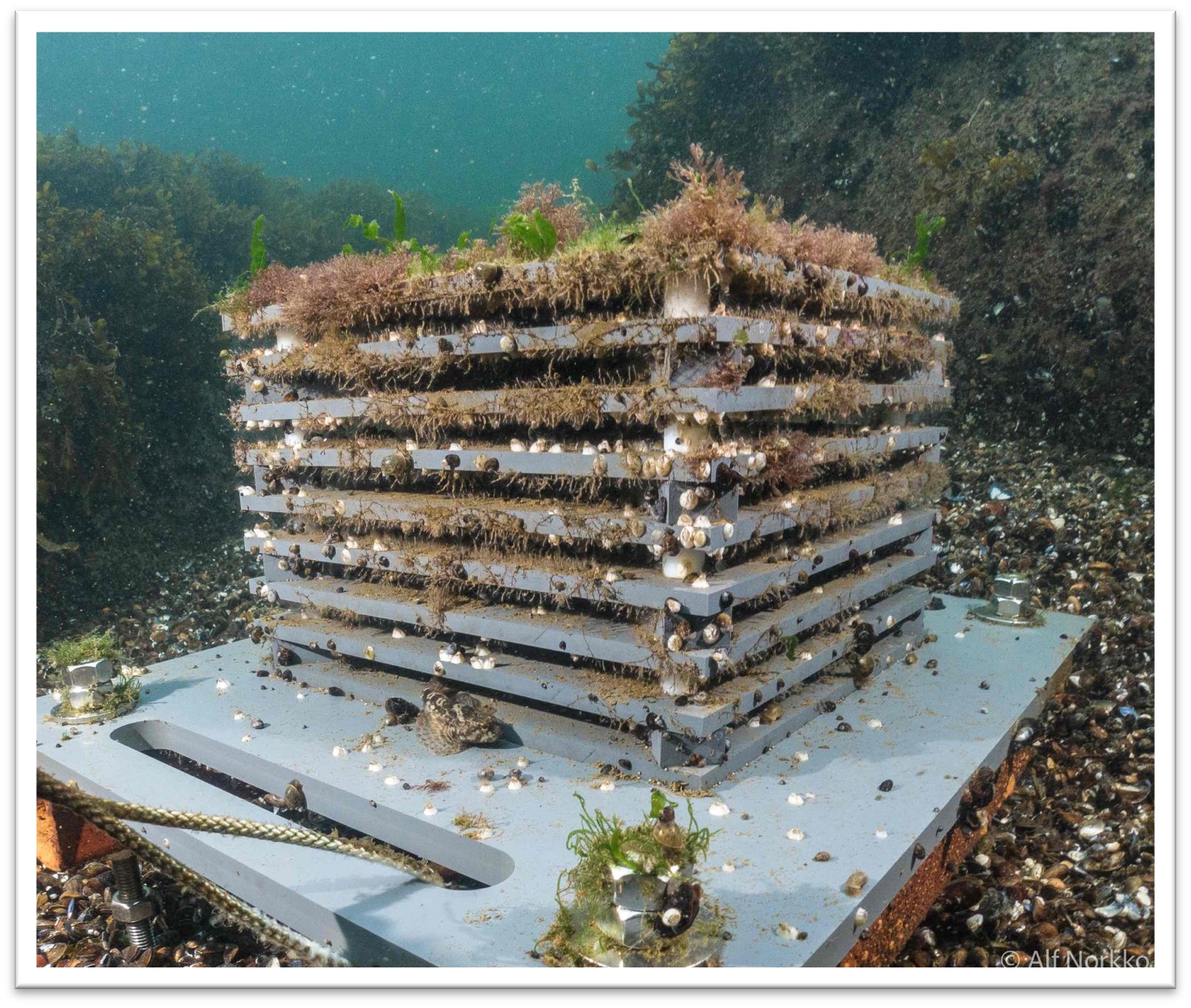
Image: An Autonomous Reef Monitoring Structure (Photo credit: Alf Norkko)
Links
Global ARMS Program: www.oceanarms.org
The European ARMS Programme: http://www.arms-mbon.eu/
Full publication: www.frontiersin.org/articles/10.3389/fmars.2020.572680/full
Video: www.youtube.com/watch?v=sckV0FIAXd8&feature=emb_logo
Funding
The European ARMS Programme is funded by the infrastructure programs ASSEMBLE Plus (grant no. 730984) and the European Marine Biological Resource Centre, EMBRC. Both programs establish and maintain the core network and provide services and consultation for deployment, sample processing, sequencing, data management, and analysis. Funding for ARMS observatories in the North Sea Region was provided by the INTERREG project GEANS (North Sea Program of the European Regional Development Fund of the European Union) and the Swedish Agency for Marine and Water Management (grant no. 3181-2019), and the Flanders LifeWatch contribution (Research Foundation Flanders grant I000819N). The ARMS observatory in Roscoff also received support from the Aquanis 2.0 project (FONDATION Total). Data management and analysis was funded by Swedish LifeWatch grant from the Swedish Research council (grant no. 2017-00634) as well as the EOSC NORDIC project (grant no. 857652). Guiding documents to obtain ABS clearance for access to genetic resources were developed in the framework of projects INTERREG EBB (EAPA_501/2016) and H2020 EOSC-Life (grant no. 824087).
For press queries, please contact Mercedes Arjona (mercedes.arjona@sorbonne-universite.fr)
Call for abstracts now open for Aquaculture Europe 2020
The call for abstracts is now open for Aquaculture Europe 2020, which will be taking place online from 12th – 15th April 2021.
The event will stay the same as ‘normal’ Aquaculture Europe meetings, with morning plenary sessions and then breakout parallel sessions for oral and Eposter presentations. The parallel sessions will be made up of shorter slots for pre-recorded video presentations of the oral presentations and with time allocated to review Eposters and for Q&A.
This year, AquaTT's very own Georgia Bayliss Brown will chair the "Education, knowledge management, transfer and extension networks" session.
Last year, the session welcomed seven speakers and exhibited three e-posters. The presentations sparked some interesting discussions, particularly between those presenting. The session covered various issues related to public perception, educational and career development programmes, and the use of technology to support network development. This time, the event will look slightly different as the presentations will be pre-recorded and there will be plenty of opportunity for discussion in the live Q&A.
Topics could include but are not limited to educational and career development programmes including training and capacity building; citizen science; public perception; the sharing of knowledge, techniques, innovations and technology; and the design of support and/or formation of networks. If you are working within this truly important field, we would love to hear from you.
To apply, please submit an abstract by 31st January 2021. More information can be found on the event website.
FishChoice: a tool to assess the benefits, risks and sustainability of seafood consumption

Press release: January 2021
An improved version of the FishChoice tool has been launched, which will support the public to make informed decisions about their fish and seafood consumption. The free web-based tool provides users with information on the benefits and risks, as well as seafood sustainability, and is available in 25 languages.
The first concept of the tool was created within the ECsafeSEAFOOD project. The latest version, created as part of the SEAFOODTOMORROW project, guides consumers to gain the most nutritional benefit from their seafood consumption, while reducing exposure to chemical contaminants. The tool also helps consumers to make sustainable seafood choices based on the origin of produce and fishing methods used. A version of the tool has been designed for the general public, while a second version is specifically tailored for nutrition and health professionals, industries and researchers.
The FishChoice user selects the country, and based on this selection, the tool shows the most commonly consumed seafood species in that country. New and improved seafood products also developed in the SEAFOODTOMORROW project, such as fish soup, fish pâté or smoked salmon, among others, have also been included. Once the weekly seafood menu has been selected together with the population group, the user can browse the results tabs corresponding to the intake of nutrients and pollutants, as well as sustainability.
The tool compares the intake of nutrients and contaminants with the corresponding recommendations set by the European Food Safety Authority (EFSA). FishChoice warns the user if their intake of nutrients is below the minimum recommended or above the maximum tolerable intake of contaminants. Finally, FishChoice provides tips in traffic light format to consume seafood sustainably, such as whether a species is endangered, or what type of fishing avoid or prioritize.
An app for the tool is currently in development, and will be available for iOS Apple and Android users in March 2021.
To register and use the tool, please visit fishchoice.eu.
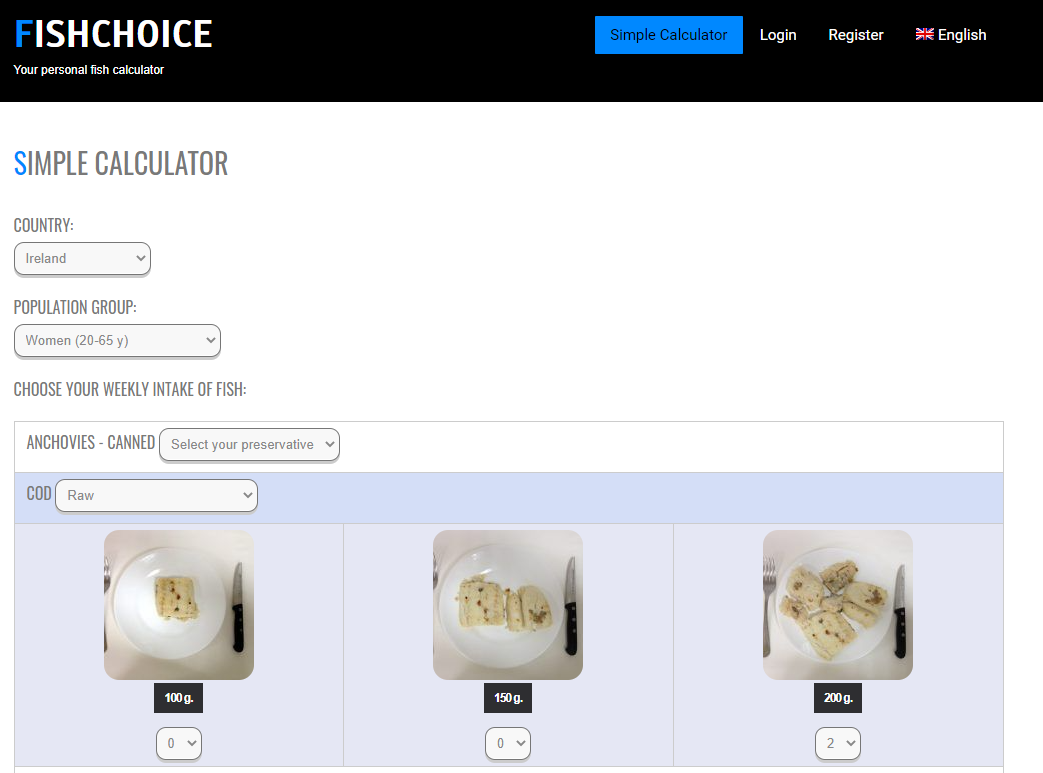
The Fishchoice tool, accesible at fishchoice.eu.
Studies find that higher temperatures have an adverse effect on mussels
Press release: February 2021
A recent study provides new insights into the effects of rising temperatures on bivalves, a class which includes mussels and oysters. The findings show further evidence of the detrimental impact climate change could have on fisheries and aquaculture worldwide.
Mussels exposed to high temperatures can suffer from tissue degradation and increased mortality (Clements et al., 2018), but a complete understanding of the mechanisms behind these effects were unclear. New research led by marine biologists at the Norwegian University of Science and Technology and funded through the EU ASSEMBLE Plus project’s Transnational Access programme investigated how this occurs.
Head researcher for the project, Jeff Clements, said “European mussels are of great economic importance, making up about a quarter of global mussel aquaculture production. While it is clear that these fragile species are adversely affected by temperature changes, we understand very little about how these effects take place.”
The research team, comprised of Clements and Fredrik from the Norwegian University of Science and Technology, and Kirti Ramesh, Jacob Nysveen, and Sam Dupont from the University of Gothenburg, investigated “valve gaping behaviour” in mussels, an important activity which allows the organisms to eat, respond to their environment, and deter predators.
“Bivalves are particularly interesting as they have no head and therefore have no centralised nervous system”, said Dr Clements. “Despite not having a brain, these animals exhibit complex decision-making behaviours. Understanding these behaviours can give unique insights into wide-ranging effects of climate change”.
Over a period of three months, the research team exposed blue mussels to high temperatures and acidic conditions at the Kristineberg Centre for Marine Research and Innovation in Sweden. After this time, the researchers exposed the bivalves to a simulated predator attack. The researchers recorded the time that it took each bivalve to re-open their shells after they had closed to avoid the predator “attack”.
The team found that pH had no effect on the mussels’ behaviour. In contrast, high temperatures had a significant effect on behaviour: mussels that had been exposed to three months of higher temperatures stayed closed for twice as long as bivalves kept in a lower temperature environment, meaning that they had extended periods of time when they were unable to feed. The researchers believe this increased time spent closed under high temperatures could help to explain why mussels suffer from tissue degradation and increased mortality when temperatures are high for extended periods of time.
The findings, published in Animal Behaviour, have important implications for how fisheries and aquaculture farms respond to the changing climate. With rising ocean temperatures leading to multiple stresses for aquaculture species, shellfish farmers and industry leaders may need to find new methods to maintain productivity and care for their stock.

Individual mussels, valve gaping behaviour and the experimental set-up before the experiment was initiated.
New Aquaculture Tool Developed to Estimate Fish Density with Echo-Sounders

Press release: 24 February 2021
Researchers are creating a tool that will enable fish farmers to generate more precise estimations of the number and size of their fish stock.
Reliable methods for estimating the number, size, or biomass, of fish in a cage remains a challenge in aquaculture. The most common approach involves taking on-site samples– a costly, time-consuming, and inaccurate method. More reliable methods are needed so that fish farmers can better manage their stock.
As part of the EU-funded PerformFISH project, researchers from SINTEF Ocean (SINTEF, Norway) and the Hellenic Centre for Marine Research (HCMR, Greece) are contributing to the development of new methods for biomass estimation of farmed fish kept in net pens.
The methods developed by SINTEF and HCMR exploit echo-sounder technology. This technique relies on regularly transmitting an acoustic pulse and analysing the return signal after it has bounced off one or several targets. Time intervals between transmission and reception, as well as signal intensity, are analysed. This is a similar approach to the one used in sonar systems. The technology is already used as part of “fish finders” for commercial or recreational fishing and is now being applied more and more to aquaculture. However, the aquaculture context poses new challenges.
As Dr Walter Caharija, lead researcher from SINTEF Ocean explains:
“In the open water, echo-sounding technology is used to find shoals of fish. They might give some estimate of the size of a shoal, but it’s the location that’s more important. In aquaculture, fish farmers already know where their fish are located but it is important to know the density of fish in the cage. In a 3D marine environment, with hundreds of fish swimming in all directions, it is difficult to get a good head count!”
The research team is conducting trials to understand how echo-sounders interact with the layers of fish that are found in a typical aquaculture cage. The main challenge is to account for a “shadowing effect”: some fish are “invisible” to the echo-sounder because they are hidden behind other fish in the cage.
The researchers conducted experiments using two small test cages, each containing a known amount of fish. They placed the cages at different distances from each other and from an echo-sounder, and then measured the echogram results produced from the interaction of the echo-sounder with the fish. By comparing these raw echogram results to the real fish density in the cages, the team can calibrate the tool so that it will provide a reliable estimate of fish density for fish farm managers.
Dr Walter Caharija continues:
“We are making exciting progress and I am looking forward to developing this further. We are building a foundation from which we are learning how to utilize an echo-sounder to better estimate biomass in a production net pen. Together with HCMR, our partner from Greece, our next steps will involve further data analysis and refining our methods before we move to more concrete dissemination and exploitation plans.”
His colleague, Espen Eilertsen adds:
“Kongsberg Maritime, a renown echo-sounder provider and manufacturer, is showing great interest in our PerformFISH activities and we are having a mutually beneficial and productive dialogue."
For more information and to follow developments across the PerformFISH project, please visit performfish.eu.
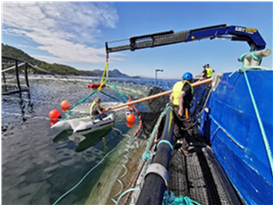
A small test cage is lifted with a crane into a net pen for salmon farming and filled with fish. Picture by SINTEF Ocean (September 2020)
ERINN Innovation: Working towards a more sustainable society

Established by David Murphy the former General Manager of AquaTT and some of the senior staff of AquaTT, ERINN Innovation is a separate, independent SME focused on creating positive impact from research and innovation. ERINN works with projects, ideas, and technologies that contribute to a better world and healthier planet.
ERINN Innovation is independent from AquaTT. The two companies have a Memorandum of Understanding in place and collaborate on areas for mutual benefit. First established as Intrigo in 2017, the company rebranded to ERINN Innovation in December 2020. AquaTT still maintains a wide portfolio of EU projects and will continue to collaborate with our many partners and networks.
David Murphy is currently the CEO of ERINN Innovation. David is still active in AquaTT and shares his time across the two companies. ERINN has grown rapidly, already securing roles in 11 EC projects as well as providing a range of services to commercial companies, research organisations and public bodies across Europe. As of January 2021, there are 20 staff working in ERINN comprised of six different nationalities working in five European countries (Ireland, France, Spain, Norway, and UK).
For more information, please visit erinn.eu.
SEAFOODTOMORROW project results help to secure a sustainable future for the seafood industry
Press release: 28 April 2021
Results from a landmark European project have laid the foundations to strengthen the seafood production and processing industry in Europe and safeguard sustainable seafood for future generations.
Funded by the EU Horizon 2020 program, SEAFOODTOMORROW has developed innovative solutions to tackle some of the seafood industry’s biggest issues: sustainability and ensuring the safety, quality, transparency and availability of products that meet consumer needs.
Seafood is an important source of high-quality protein and is naturally rich in valuable nutrients for a healthy diet. Approximately three billion people rely on (wild-caught and farmed) seafood as a primary source of protein. As both the world population and aquaculture continue to expand, it is vital to develop new, innovative and eco-friendly solutions to ensure that global seafood security and quality meet market demands.
Launched in 2017, SEAFOODTOMORROW aimed to tackle these challenges. The project concluded in April 2021. Key outputs include:
- Novel aquafeeds which replace traditional fish feed sources such as fishmeal and fish oil with sustainable, eco-friendly natural ingredients and produce farmed fish fillets fortified in essential nutrients for consumers.
- New technologies and fast screening tools to detect contaminants in seafood that can be used by producers to control the risk of contaminants and reduce loss of their products.
- A concept for accredited certification and associated quality reward label and DNA based tools to support the reliable identification of seafood species, to help tackle fraud and support transparency along the seafood value chain.
- Improved access to reliable information about seafood:
The interactive SEAFOODTOMORROW Key Achievements booklet showcases the project’s innovative solutions, key results and insights. The booklet outlines the next steps needed to bring the results to market and plans by SEAFOODTOMORROW partners to explore further opportunities for end users to exploit and use the results.
António Marques, SEAFOODTOMORROW Project Coordinator, highlighted the impact of the project:
“SEAFOODTOMORROW’s results will help to decrease the environmental footprint of the seafood sector and support sustainable use of our marine resources. We expect our eco-innovative solutions will soon reach the market and will enable society to continue to enjoy seafood as a safe and nutritious food source. Some of our solutions require industry level validation. When this is achieved, we are confident that the results will help the seafood industry to navigate future societal challenges, contribute to the European Green Deal, circular economy and zero waste in the seafood sector”.
SEAFOODTOMORROW is the result of a collaboration involving more than 60 researchers from 35 partner organisations across Europe. For more information, please visit seafoodtomorrow.eu.
EWEAS Launch of free e-learning platform to help aquaculture professionals improve the efficiency and sustainability of their facilities
Launch of free e-learning platform to help aquaculture professionals improve the efficiency and sustainability of their facilities
A new e-learning platform launches today (31st May) to aid aquaculture professionals in understanding key topics in energy and water efficiency and to assist them in applying this knowledge to increase the sustainability and economic viability of their facilities.
Funded by the EU ERASMUS+ programme, the EWEAS project (Energy and Water Efficiency in the Aquaculture Sector, eweasproject.eu ) developed the training programme over the past two years, in collaboration with key aquaculture stakeholders in the project’s partner countries of Ireland, Italy, Latvia, Slovenia and Spain.
The e-learning platform, freely accessible at eweastraining.eu is divided into 10 modules addressing a wide range of energy and water efficiency in aquaculture facilities. They include:
- Basic Concepts
- Lighting
- Electric Motors
- Pumping and Hydraulic Distribution
- Heating and Refrigeration
- Air Compressors
- Boilers
- Insulation
- Renewable Energy Technologies
- Viability and Return on Investment
The e-learning programme is open to anyone around the world and is available in English, Italian, Latvian, Slovenian and Spanish. Participants who successfully complete the tests included within the online training platform are provided with an e-certificate to demonstrate their attainment of knowledge in the topic, thus contributing to their continuing professional development.
Commenting on the new tool, Mercedes Rodríguez-Caro de la Rosa ,EWEAS project lead at SGS Tecnos, Valencia said,
“We are delighted to launch this free, online learning tool to support the continuous professional development of aquaculture stakeholders around the world. The EWEAS e-learning platform will equip aquaculture professionals with the practical information needed to help them make significant changes at their own facilities that will not only improve their efficiency but also boost their economic and environmental sustainability. Aquaculture is playing an increasingly important role in our global food system and I am proud of the EWEAS contributions to supporting and improving the industry.”
The EWEAS team welcomes practitioners, trainers and members of the public to engage with the new learning tool. For more information, please visit eweastraining.eu.
Notes for Editors
The EWEAS project (E-learning platform: Energy and Water Efficiency in the Aquaculture Sector) is funded through the Erasmus+ Programme (Grant Agreement no. 2018-1-ES01-KA202-050473). The project focuses on enhancing knowledge and competence of professionals working with water and energy issues in the aquaculture sector.
The project ran for 30 months from 2018 to 2021. The EWEAS consortium is composed of 5 partners from 5 European countries (Spain, Slovenia, Latvia, Italy, Ireland). Partners in the EWEAS project and their roles are as follows: SGS Tecnos, Spain: project management and training course content development; AquaTT, Ireland, project communications and dissemination; Eurofortis, Latvia: development and implementation of e-learning platform; API, Italy and KGZS-Zavod KR, Slovenia: engagement with regional aquaculture stakeholders.
Contact and press queries
Email: info@eweasproject.eu
Twitter: @ErasmusEWEAS
Website: eweasproject.eu
Launch of Free E-Learning Course on Sustainable Seaweed Farming Practices
Press Release: 28 June 2021
The GENIALG project is delighted to launch its free online e-learning course: ‘Sustainable Seaweed Farming Practices’.
Exploring the environmental benefits and risks of seaweed farming, the course examines the latest research and best practices to ensure sustainable growth of the seaweed farming industry. The core topics cover key areas such as: monitoring and cultivation protocols, ecosystem services valuation, advanced methods for breeding seaweeds, as well as the relationship between seaweeds and society.
The course has been developed by the GENIALG project and is coordinated byCIIMARand AquaTTwith module contributions fromCIIMAR, CNRS, C-Weed Aquaculture, Galway-Mayo Institute of Technology, NUI GalwayandSeaweed Solutions.
Divided into four modules, the course consists of approximately 20 hours of learning. Participants can take the course any time, both online or offline, at their own pace. All resources are available for download from the GENIALG E-Learning Course webpage.
Whether you are interested in improving or expanding your own farming activities, thinking of getting into the seaweed business or simply have an interest in sustainable seaweed farming, this course is for you!
For more information on the course please visit the GENIALG E-Learning Course webpage.
Notes to Editors
For more information on the course, please contact course coordinators: CIIMAR (Rosa Melo rmelo@ciimar.up.pt) and AquaTT (Avril Hanbidge avril@aquatt.ie).
GENIALG (“GENetic diversity exploitation for Innovative macro-ALGal biorefinery”) is an innovation action funded under the European Union’s Framework Programme for Research and Innovation, Horizon 2020, Grant No 727892. GENIALG is the first industry-driven project bringing together pioneering companies in large-scale integrated European biorefineries and experts in seaweed cultivation, genetics and metabolomics to boost the seaweed industry. The four-year project was launched in January 2017 and has a total budget of €12.2 million. Led byCentre National de la Recherche Scientifique (CNRS) in France. GENIALG brings together 19 partners from six European countries. AquaTT (Ireland) is the project communication and dissemination partner.
More information on the GENIALG project:
GENIALG website: www.genialgproject.eu.
Subscribe to GENIALG News: http://eepurl.com/dO8FH5
Follow us on Twitter: @GENIALG_EU and Facebook: @GENIALGproject
Contact us:
Project Coordinator: Philippe Potin (potin@sb-roscoff.fr).
Project Manager: Kevin Cascella (kevin.cascella@sb-roscoff.fr).
For communication and press queries, please contact Avril Hanbidge, GENIALG Project Officer, AquaTT (avril@aquatt.ie).
Richard Fitzgerald Award 2021
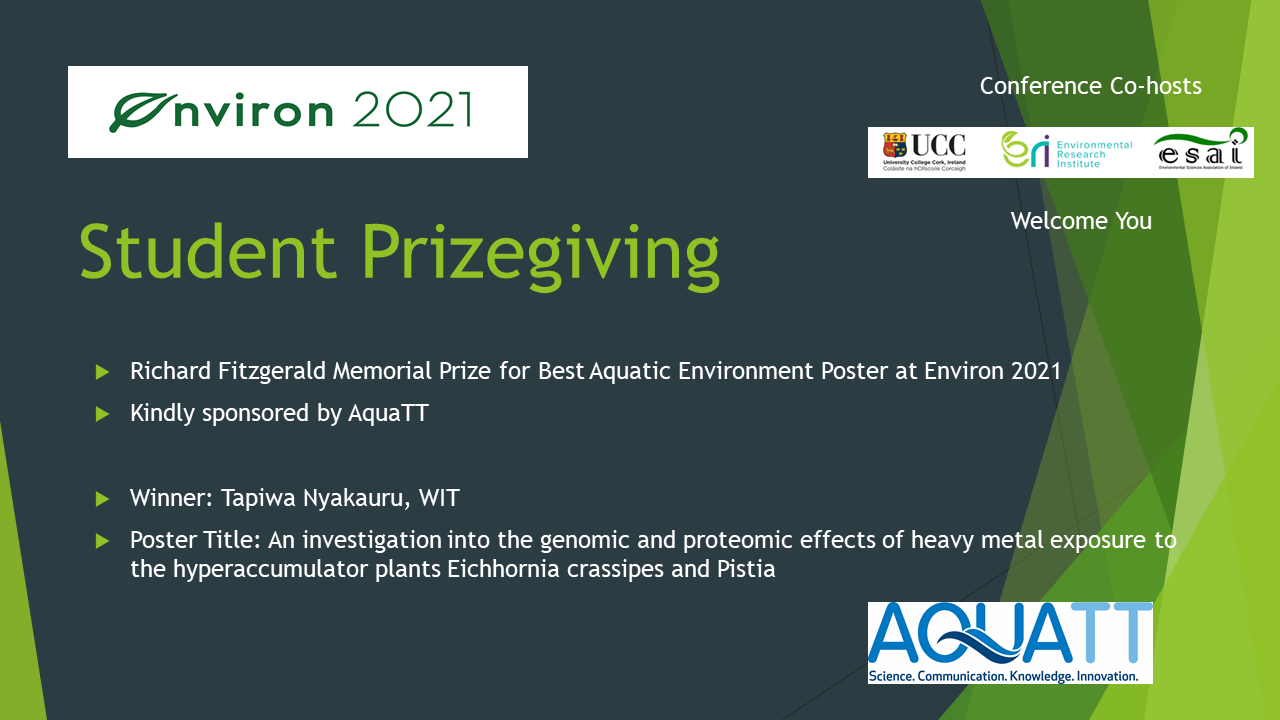
The 2021 winner of the Richard Fitzgerald Memorial Prize for the Best Aquatic Poster has been announced.
Congratulations to Tapiwa Nyakauru, from Waterford Institute of Technology, An investigation into the genomic and proteomic effects of heavy metal exposure to the hyperaccumulator plants Eichhornia crassipes and Pistia".
The prize is awarded annually at the ESAI Environ conference in memory of one of AquaTT's founding fathers and esteemed figure in Irish aquaculture research and development, Richard Fitzgerald.
Tapiwa received a €250 prize proudly sponsored by AquaTT for his poster.
Tapiwa Nyakauru, WIT
EU-Funded EMPORIA4KT Project Trains Researchers on Mapping Routes to Impact for Early Stage Blue Economy Technologies

Press release: 14 July 2021
The EMPORIA4KT Blue Economy Technology Transfer Programme is an EU-funded initiative that supports researchers to improve their innovation and technology transfer skills. Since the programme’s launch in February 2021, research teams from France, Ireland, Portugal, Spain and the UK have been developing the understanding and skills needed for the scientific community to map and encourage effective pathways to commercial use for early stage technologies (ESTs).
Funded by the EU Interreg Atlantic Area Programme, the teams have been developing their own ESTs under the guidance of two mentors with an academic and industrial background respectively. In the first phase of the programme, the goal was for the teams to understand potential avenues to market for their technologies through the creation of value maps and customer profiles.
As part of the training, researchers were tasked with developing collaborative, innovative approaches to identify four distinct potential applications for their assigned EST. The diverse technologies are all derived from marine research and applicable to the Blue Economy. They include novel off-shore renewable energy devices, sustainable materials for maritime infrastructure, applications of 3D virtual mapping, future systems modelling and applied proteomics.
Speaking about the training, programme leader Pierre Roudaut, (Technopole Quimper-Cornouaille), said,
“The teams and their mentors have made excellent progress with developing value propositions for their respective early stage technologies. This involves adapting and highlighting the main features of the technology and generating some quite interesting results regarding new ways in which they could be used. At the end of June, each team presented these results and chose the best of their respective four tentative applications for further development through market analyses with the goal of presenting their updated proposals in December."
As a collaborative programme, ongoing Covid-19 restrictions have presented a significant challenge. However, as Mr. Roudaut explained,
“Despite the challenges posed by Covid, on top of all the usual challenges researchers face, every team has so far met their objectives and this is very good to see. Some of our teams have been able to meet in person while others have collaborated online, but all have managed to collaborate and successfully produce good outputs. For us as organisers, this progress demonstrates that our methodology is truly effective.”
The next stage of the programme is for each of the nationally based teams, together with their scientific and industrial mentor, to complete the development of the route to market for their Blue Economy EST over the second half of 2021. Each team will present their final pitch at an event organised for their respective country. Teams with the best performance at each of the regional events will present their initiatives at the EMPORIA4KT final international public brokerage event in January 2022.
For more information about the training programme, please visit https://www.emporia4kt.com/ttprogramme. To learn more about the project participants and follow their progress, please follow us on Twitter @EMPORIA4KT.
Notes for the editor
The EMPORIA4KT project will run from 2019 – 2022 with an overall budget of approximately €2.2 million. EMPORIA4KT (EAPA_842/2018) is funded by the European Union’s Interreg Atlantic Area European Regional Development Fund.
EMPORIA4KT is coordinated by Universidade Nova de Lisboa – Faculdade de Ciências e Tecnologia (Nova School of Science and Technology). AquaTT is the project communication and dissemination partner.
The views in this press release are the views of the author and do not reflect the views of the European Union.
Programme participant institutions:
- Galway-Mayo Institute of Technology (GMIT)
- Bantry Marine Research Station Ltd / University College Dublin (BMRS / UCD)
- Sligo Institute of Technology
- National University of Ireland, Galway (NUIG)
- Aberystwyth University
- Liverpool John Moores University (LJMU)
- University of Strathclyde
- Ulster University
- Université Bretagne Sud (UBS)
- Laboratory of Biotechnology and Marine Chemistry, Université Bretagne Sud (LBCM)
- Institut de Recherche Dupuy de Lôme (IRDL)
- IFREMER
- Station Biologique de Roscoff
- Universidad de Cadiz (UCA)
- Universidade da Coruña (UDC)
- Universidad de La Laguna (ULL)
- Universidad de Huelva
- Universidade de Santiago de Compostela (ESTE – USC)
- Universidade de Coimbra
- Universidade do Porto
- Universidade da Madeira
- Universidade de Aveiro
- The Centre for Marine Technology and Ocean Engineering (CENTEC)
- Centro de Ciências do Mar e do Ambiente, Faculdade de Ciências da Universidade de Lisboa (MARE - Madeira)
- Faculdade de Ciências e Tecnologia da Universidade Nova de Lisboa (NOVA)
For press queries, please contact Keegan Porter, keegan@aquatt.ie
EU-Funded TechOceanS Project Developing New Microsensors for Environmental Ocean Monitoring
Press release: 26 July 2021
The EU-funded project, TechOceanS (Technologies for Ocean Sensing) is developing innovative microsensors that have the potential to revolutionise how we measure and monitor the world’s changing oceans.
Led by the UK’s National Oceanographic Centre (NOC) and consisting of partners from Cyprus, France, Germany, Greece, Ireland, Italy, Spain and the United Kingdom, TechOceanS is an €8.9M project funded by Europe’s Horizon 2020 programme.
TechOceanS technologies will enable the capture of vital, previously inaccessible data on the ocean’s biogeochemistry, biology and ecosystems. The project is developing new, low-cost sensors that are capable of remotely detecting and analysing chemical contaminants, biotoxins and environmental DNA. By minimising the size and power requirements of these sensors, remote platforms and autonomous underwater vehicles will be able to provide scientists with a constant and more complete picture of the oceans’ health.
TechOceanS project partner, Professor Fiona Regan, Chemistry Professor and Director of Dublin City University’s Water Institute highlighted the potential impact for this technology:
“Right now, if you want to check a body of water for toxins you have to physically take a sample of that water and run your tests on it, mostly in a lab. This is a costly and time-consuming process. In TechOceanS, one of the sensors we’re working on uses antibodies to detect even faint traces of toxins. By integrating these into an automated “lab on chip” based sensor, and putting that on a deployable platform, we will be able to take hundreds or thousands of readings throughout the water. With this automated technology we can collect more samples and analyse them remotely at a fraction of the cost of current techniques. This will provide a whole new level of useful information for places like aquaculture farms, public beaches and areas where scientists are monitoring biodiversity.”
The TechOceanS team is working on several types of microsensing technologies. In addition to the biogeochemical analyte sensor described by Professor Regan, the project is also developing technologies such as a bioassay sensor for organic contaminants and a micro-cytometer for detecting and analysing phytoplankton and microplastics.
As TechOceanS progresses, all of these microsensors will be integrated into robust systems capable of operating remotely and at great depths. The dual detection/analysis capabilities of these systems will enable data to be sent back to researchers continuously from sensors that have long autonomous or semi-autonomous deployments. This will enable scientists to measure and monitor vast stretches of the ocean using fewer, more cost-effective resources.
For Professor Regan, the collaboration with the diverse group of experts working in TechOceanS has already been a rewarding experience.
“We have a great team of people, and this project is really about communication across the disciplines and coming together to the same path. We’re working with biologists and engineers and combining these biosensors with new optical and detection technology, and it’s really coming together. Getting to piggyback on the knowledge and technology offered by NOC is a huge advantage and has allowed us access to a range of new targets for our sensors.”
In addition to the TechOceanS work on microsensors, other scientific themes covered by the project include groups working on imaging and optics, genomics and cross-cutting approaches to sharing best practices, testing and applying the new technologies. Throughout the project’s four years, TechOceanS will refine and validate the components within each of these themes and then begin incorporating them into integrated platforms.
The project will see these systems all the way through real-world trials. The goal is to deliver pilot, paradigm-shifting technologies for ocean monitoring that are low-cost and place minimal demands on existing infrastructure, allowing them to be made available for use by all countries regardless of resources.
For more information, follow @TechOceanS on Twitter, join the LinkedIn group TechOceanS and visit the project website techoceans.eu.
Notes for the Editor:
TechOceanS (“Technologies for Ocean Sensing”)is a research and innovation action funded under the European Union’s Framework Programme for Research and Innovation, Horizon 2020, grant No. 101000858.
The project will run for four years from 2020 to 2024, with a total budget of €8.9 million.
The multi-stakeholder, multi-disciplinary TechOceanS team represents leading organisations in ocean science, technology, policy and industry in Europe. The project is coordinated by the National Oceanographic Centre (NOC) in the UK.
The 13 European partners represent a total of 8 countries: Cyprus (Cyprus Subsea Consulting and Service), France (SU),Germany (AWI, GEOMAR), Greece (Idryma Technologies), Ireland (DCU, ERINN Innovation, AquaTT), Italy (SZN), Spain (PLOCAN) and the United Kingdom (NOC, UoS, Chelsea Technologies).
TechOceanS technologies are being developed in close cooperation with the IOC-UNESCO and are focussed on improving “ocean best practices” that support global, inclusive and transparent research and environmental monitoring. The research will also contribute to other key components of the Blue Economy as described in international accords such as the UN’s Sustainable Development Goals, the G7 Future of the Seas and Oceans Working Group, the Paris Climate Agreement, the UN Decade of Ocean Science for Sustainable Development and the EU Marine Strategy Framework Directive.
Contact us:
Project Management Team: Patricia Lopez-Garcia, Carla Sands, Hannah Sait and Annika Simpson
Press and Communications: Keegan Porter
GENIALG Project Results Help to Boost the European Seaweed Sector
Press Release: 19 August 2021
Results from an innovative European seaweed research project have laid the foundations to strengthen the seaweed cultivation and biorefining industry in Europe, promoting sustainable seaweed farming for future generations.
Funded by the EU Horizon 2020 program, GENIALGhas developed innovative solutions to help production of seaweed biomass in Europe to become more economically and environmentally sustainable.
GENIALG has tackled key challenges facing the industry including how to reduce costs, scale-up production and improve the quality and refinement of seaweed biomass into multiple value-added products.
Seaweed or macroalgae, has long been recognised as a valuable source of diverse bioactive compounds and has great potential to be used in pharmaceuticals, nutraceuticals and functional foods, to name but a few! As both the world population and aquaculture continue to expand, it is vital to develop new, innovative and eco-friendly solutions to ensure that the European seaweed industry quantity and quality meet market demands.
Since its initiation in 2017, GENIALG has made significant contributions to the European seaweed research and industry landscape. Key outputs include:
- Demonstrating the techno-economic feasibility of cultivating land-based sea lettuce and of cultivating sugar kelp in the open sea
- Applying the first genome-wide approaches and a customised phenotyping platform for seaweed strain selection and improvement to improve understanding of seaweed genetics and physiological traits
- Creating new approaches for valorising new and existing products from seaweed compounds that have pharmaceutical applications. These include fucoxanthin from Saccharina and various fractions from Ulva which are used in animal and plant care and, in the near future, expected to have applications in human healthcare.
- Developing novel marine enzymes and enzyme cocktails for seaweed fractionation.
- Improving access to reliable information about seaweed farming best practices and the innovations of seaweed biorefinery:
- The GENIALG E-Learning Course on sustainable seaweed farming practices is freely available to students, current practitioners within the seaweed industry or anyone interested in entering the seaweed industry.
- The GENIALG Manual on Best Practices for Seaweed Farming is a valuable resource with information on biocontainment and management of pests and pathogens
- The GENIALG Biorefinery Manual explaining the benefits and sustainability of seaweed biorefinery processes
The GENIALG website (genialgproject.eu) showcases the project’s results and innovative outputs, including links to publications, events and partner contact details, giving partners the opportunity to explore further opportunities for end users to exploit and use the outputs.
Philippe Potin, GENIALG Project Coordinator, highlighted the impact of the project:
“GENIALG has approached all legal, financial, environmental, socio-economic and technical aspects to facilitate the development of the European seaweed sector, from seaweed farming to the production of molecules of interest to the seaweed industry. By combining a trans-sector partnership with an integrated and sustainable approach, GENIALG aimed to meet the market needs in the fields of health, nutrition, cosmetics and agriculture. New technologies, methods and tools (genomics and post-genomics) have been developed, e.g., for seeding, harvesting, rearing, cultivating and storing seaweed as well as for pre-processing, fractionation, extraction and purification of the biomolecules within the seaweeds.”
For more information on GENIALG and to access key results and resources, please visit genialgproject.eu .
Notes to Editors
For more information, please contact Avril Hanbidge avril@aquatt.ie
More information on the GENIALG project:
GENIALG website: www.genialgproject.eu.
Subscribe to GENIALG News: http://eepurl.com/dO8FH5
Follow us on Twitter: @GENIALG_EU and Facebook: @GENIALGproject
This project has received funding from the European Union's Horizon 2020 research and innovation programme under grant agreement No. 727892 (GENIALG). This output reflects only the author's view and the Research Executive Agency (REA) cannot be held responsible for any use that may be made of the information contained therein.
Discovery of new marine worm species as part of ASSEMBLE Plus
Press release: 5 October 2021
Researchers from the Swedish Museum of Natural History have identified a new species of marine worm living in the Basque region of Spain. Named Faerlea assembli, the worm is just 0.8mm long and was discovered as part of research conducted at Plentzia Marine Station.
The new species belongs to an important group of worms known as the Acoelomorpha. These small, soft-bodied worms are abundant throughout many different types of marine sediment. They form a key part of marine food chains and studying their populations offers a way for scientists to monitor the overall health of different environments. Acoelomorphs are particularly sensitive to human impact and their diversity is reduced in areas such as beaches that are visited by many tourists.
The new species, Faerlea assembli belongs to the Mecynostomidae family of acoelomorphs. This group is most abundant in shallow, sandy sediments and therefore they are particularly vulnerable to impacts by human activities. It is a fragile species with limited, localised distributions.
Professor Ulf Jondelius led the research team that identified the new species. Commenting on the significance of the finding, he said
“When it comes to understanding the diversity of marine life, we are still only scratching the surface. Small marine species such as this are often over-looked yet they play crucial roles in marine ecosystems. Identifying new species, such as Faerlea assembli, provides a first step in gathering the data needed for wider population studies to monitor environmental status.”
The project was conducted as part of a visit Professor Jondelius made to the Plentzia Marine Station supported by the European-funded, Horizon 2020 project, ASSEMBLE Plus and the new species was named to reflect this support.
The ASSEMBLE Plus Transnational Access Programme provides funding for researchers to carry out their own projects using resources not available in their home institutes. With access to over 30 marine biological stations and installations, the initiative helps participants to enhance their skills, create new collaborations and contribute to scientific understanding.
Details about the new species are published in the Zoological Journal of the Linnean Society (October 2021). Atherton, S. and Jondelius, U. (2021). Phylogenetic assessment and systematic revision of the acoel family Isodiametridae. Zoological Journal of the Linnean Society, zlab050. https://doi.org/10.1093/zoolinnean/zlab050

MATES wins Atlantic Project “Blue Skills and Ocean Literacy” Award
Press release: October 2021
MATES coordinator, Lucía Fraga of CETMAR, has accepted an Atlantic Project Award on behalf of the Erasmus+ partnership at the 8th Atlantic Stakeholders Platform Conference on 21 October 2021, in Dublin, Ireland. The award was made under the category “Blue Skills and Ocean Literacy”.
The Atlantic Project Awards are presented to outstanding initiatives, successful collaborations and achievements which further the implementation of the Atlantic Action Plan 2.0. These projects showcase best practices and partnership models that could be scaled up at the regional, national, European and international level. The award is a tribute to the almost four years of hard work that the MATES partnership has undertaken. Through effective collaboration and under the dedicated leadership of CETMAR, MATES has successfully achieved: a detailed report on the supply and demand of current skills in the shipbuilding and offshore renewable energy sectors; a report on future skills needs; a series of prioritised lines of action to align skills supply and demand; 11 Pilot Experiences addressing the lines of actions tested in different regional contexts; a Maritime Technologies Skills Strategy with recommendations; and an Action Plan for the different stakeholder groups involved along the value chains of both sectors.
The MATES Maritime Technologies Skills Strategy remains open for contributions to be accepted for inclusion in the final revision. The objective of the Skills Strategy is to show how identified skills gaps in the maritime technology sectors can be bridged and to anticipate future skills gaps. If you would like to provide feedback, contact mates@cetmar.org by 30 November 2021.
Commenting on the significance of the Skills Strategy and MATES activities, Lucía Fraga said “Overcoming challenges, such as the mismatch between training provision and industry needs and also the lack of widespread Ocean Literacy, is key to maintaining a competitive maritime industry. Through MATES we have identified a list of 32 key recommendations, insights and trends which we hope will be rolled out across Europe. We have started this transfer process through the European Commission’s Pact for Skills. The Pact is the first flagship action under the European Skills Agenda and is a shared engagement model for skills development in Europe with all sectoral actors playing a key role. MATES is transferring results to the shipbuilding Pact for Skills consortium and coordinating a consortium to promote the Pact for Skills in offshore renewable energies.”
The MATES partnership is also currently transferring all of the training material and resources developed through the Pilot Experiences to interested stakeholders for uptake. This includes innovative teaching methodologies to provide students with practical hands-on real-world experience to help bridge the skills gaps in the maritime industry. All material will be made freely accessible through www.projectmates.eu and www.marinetraining.eu.
Ninth call announced for free research access to European marine research facilities
Press release: 18 January 2022
A ninth call for free access to over 30 of Europe’s best marine research facilities and services has been announced as part of the EU-funded ASSEMBLE Plus project.
Researchers are invited to apply now for access between April and July 2022. ASSEMBLE Plus programme supports marine researchers to carry out their own projects using resources not available in their home institutes. The initiative helps participants to enhance their skills, create new collaborations and contribute to scientific understanding.
Since January 2018, the ASSEMBLE Plus Transnational Access (TA) programme has received more than 600 applications, with access granted to more than 500 groups of European and international researchers from 46 different countries! Projects have covered a range of marine research, including molecular biology, ecology and biochemistry. The many success stories emerging from these projects highlight their value.
Kate Schoenrock-Rossiter, National University of Ireland (NUI) Galway in Ireland, received an ASSEMBLE Plus TA award to work with the Centre for Marine Sciences, Portugal (CCMAR):
“During my two weeks at CCMAR, we created a calibration metric for microsatellite data generated for a cold-water kelp, Laminaria hyperborea. We were able to expand the project to Station Biologique de Roscoff (SBR). Our work was eventually published in the European Journal of Phycology. Three labs from CCMAR, SBR and NUI Galway/University of Alabama at Birmingham continue to hone this calibration and work together to generate EU wide data sets, a key output of this transnational access.”
Applications are now open for this TA programme call. The award covers access costs for up to 30 days, in addition to travel, accommodation and meal expenses for up to two researchers per project.
The deadline to apply is 13 February 2022. This is expected to be the last call for the TA programme and therefore the final opportunity for researchers to benefit.
For more information about the programme, please visit assembleplus.eu/access/transnational-access or email assembleplus_ta@embrc.eu. Follow @ASSEMBLE_Plus on Twitter for regular updates from the project.
Job Vacancy: Financial Accountant
Position Title: Financial Accountant
Type: Full time, 3-year fixed term contract, Position available immediately. A job-sharing role is also a possibility for the right candidate
Location: Dublin city centre, Ireland, with flexible remote working option available
Application Deadline: 14th February 2022. Interviews will take place week commencing 21st February 2022 in our Dublin office.
A technical ability assessment will take place during the interview process.
Application Documents: A well-motivated application letter outlining why you feel you are a suitable candidate and possess the necessary skills and experience to fulfil the requirements of the role, together with a CV addressing our essential criteria, should be addressed to Laura Richardson, AquaTT Manager and sent electronically to: jobs@aquatt.ie
ABOUT AQUATT
At AquaTT we believe that scientific research can, and should, enrich our lives and help deliver a sustainable future for humanity. We understand that, for this to happen, the results of this research must reach the relevant decision makers, policy creators, scientists, industry groups and the wider public, so we work with European funded scientific projects to help ensure that the new knowledge they generate is effectively transferred to create maximum positive impact. We use our skills to make a difference and help research benefit society.
AquaTT has a proven record as an expert at managing European projects, with a strategic focus on knowledge management and transfer, dissemination and training. AquaTT operates extensively within the European scientific research arena and has demonstrated a track record in successfully pursuing, acquiring and managing a significant number of grants (across the FP7, H2020, Interreg and Lifelong Learning Programmes, Horizon Europe), enabling it to build a knowledge-based organisation with key networks among national and European stakeholders in the marine and other sectors.
The Financial Accountant will join our busy team, reporting to the Chief Financial Officer and will contribute to the management, control and reporting of the company finances
The main duties of the post include:
- Ownership of the finance month end process
- Production of the management accounts for management review
- Monthly reconciliations to ensure the accounting system is complete and accurate
- Production of quarterly department performance reporting for the team leads
- Preparing financial reports on a timely basis, including the production of quarterly and annual reports to allow for the analysis of results and trends.
- Analyzing financial data and suggesting improvements for systems including accounting and time recording
- Monitoring internal controls, ensuring all transactions are properly recorded and that balance sheet reconciliations are prepared on a quarterly basis and are accurate and reliable.
- Participating in the annual budgeting process, including examining and commenting on overhead expenses and identifying cost reduction opportunities where possible.
- Assisting with the year-end external audits to include liaising with external auditor to ensure compliance with all regulations.
- Assisting with the financial management of our European funded projects from administrating the budgets through to the periodic financial reporting claims and audits of successfully awarded projects.
- Any other ad hoc duties as may be assigned by the Chief Financial Officer.
REQUIRED SKILLS AND EXPERIENCE
AquaTT is looking for a pro-active, diligent and dedicated individual, who must have suitable skills to carry out the duties described above as well as excellent soft skills such as communication and networking, stakeholder engagement, time management, task prioritisation, the ability to work on own initiative and to meet tight deadlines.
Essential Criteria
- Qualified Accountant (ACA, ACCA, CIMA) with a strong technical background
- Minimum 2 years audit experience and a minimum of 3 years in a small-medium sized enterprise in a similar finance role
- Accustomed to dealing with VAT accounting on a pan-European basis
- EEA work authorisation
- Strong understanding of double entry bookkeeping and automated accounting systems
- Strong accounting and numerical skills with excellent attention to detail and accuracy
- Self-motivated with an ability to work on own initiative and a willingness to learn
- Ability to communicate effectively at all levels and work well within a team environment with people from varied nationalities and cultures, and both financial and non-financial stakeholders
- Resourcefulness and the ability to challenge the status quo and problem-solve are highly valued attributes
- Ability to work with multiple and tight deadlines
- A willingness to understand and contribute to the broader operating environment
- Excellent written and spoken English
- Excellent presentation skills
- Ability to communicate clearly, courteously, and professionally to both finance and non-finance stakeholders
- A highly organised and efficient approach to managing responsibilities and an ability to prioritise and execute tasks effectively in a fast-paced environment
- Task-oriented, responsible and autonomous
- Strong interpersonal skills
- Commitment to delivering on allocated tasks
- Must be able to learn, understand, and apply new information
- Sound working knowledge of MS Office systems, in particular MS Excel to Intermediate level
Desired criteria
- Knowledge of Quickbooks and SAGE accounting system would be an advantage
- Preparation of Financial Statements under FRS102
- Preparation of Annual Budget
REWARD package
A salary within the range of €45,000 to €55,000 will be offered based on level of relevant experience along with a range of attractive benefits, including:
- Bonus scheme
- 20 days annual leave, plus 5 additional days at Christmas, plus the ability to earn a further 5 service days
- Flexible working hours
- Flexible working from home
- Learning and Development Programmes
- Defined Contribution Pension scheme
- Life Assurance and Income Protection scheme
Note: the role may be remote initially due to COVID-19 restrictions. However, once the AquaTT office re-open in line with public health advice, then the position would require the successful candidate to work from the Dublin office with flexibility for a blended remote working arrangement.
EMPORIA4KT event celebrates project highlights and showcases Blue Technology Transfer Programme
Press release: 7 February 2022
The EMPORIA4KT project held a virtual highlight event celebrating the project’s contributions to forging links between academic, business and government stakeholders across the Blue Economy. Launched in 2019 and funded by the EU INTERREG Atlantic Area programme, EMPORIA4KT has developed novel tools and training methodologies to train researchers to identify specific potential marine and maritime users of their findings, ensuring their real-world applications.
The event provided insights into the emerging needs for Blue Economy industries and policies in the Atlantic Area, and how properly implemented knowledge and technology transfer from academia can address these needs. Attendees learned how EMPORIA4KT’s Joint Action Plan to enhance Blue Economy in the Atlantic Area establishes a roadmap for achieving knowledge transfer and addressing trends at national, interregional and transnational levels.
A whitepaper produced by the project was highlighted, which identifies barriers to transfer and lays out policy and funding recommendations to overcome these obstacles. Attendees also received a demonstration of the project’s Academia Innovation Enhancer tool, a unique training platform for researchers to improve their knowledge and technology transfer skills.
Keynote speaker Roberta Zobbi, from the European Commission’s Directorate General for Maritime Affairs and Fisheries, provided an overview of the EU’s Blue Economy goals. Her address outlined the policy context for current marine strategy and the importance of solutions from projects such as Emporia4KT to bridge critical gaps of communication and understanding between academia and industry.
The event also served as the culminating stage of the project’s Blue Economy Technology Transfer (BETT) Programme, an 11-month training exercise in which teams of Early Career Researchers from France, Ireland, Portugal, Spain and the UK identified paths to industry for their respective Early-Stage Technologies (EST). The top team from each region delivered a pitch of their EST to a jury of five Blue Economy experts.
The BETT presentations covered environmentally-friendly concrete, floating solar arrays, high-value uses of seafood processing waste, an autonomous solution to marine plastic pollution and a harmful algal bloom advanced warning system for shellfish farmers. After a tough deliberation for the jury, the team from Ireland was awarded first place with the team from Portugal presented as runners-up.
For more information on the EMPORIA4KT project and its outputs, visit emporia4kt.com.
EMPORIA4KT event celebrates project highlights and showcases Blue Technology Transfer Programme
More chemicals, fewer words: exposure to chemical mixtures during pregnancy alters brain development

Press release: 18 February 2022
By linking human population studies with experiments in cell and animal models, researchers have provided evidence that complex mixtures of endocrine disrupting chemicals impact children’s brain development and language acquisition. With their novel approach, the scientists show that up to 54 per cent of pregnant women were exposed to experimentally defined levels of concern. While current risk assessment tackles chemicals one at a time, these findings show the need to take mixtures into account for future risk assessment approaches.
There is increasing evidence that environmental chemicals to which we are continuously exposed can have endocrine disrupting properties and can thus be dangerous to human and animal health and development. Every year sees the release of a huge number of new compounds as part of the market authorisation and production processes of a vast range of goods, chiefly but not only plastic derivatives, that enter the human body from several sources, including water, food and air. While exposure levels for individual chemicals are often below existing limit values, exposure to the same chemicals in complex mixtures can still impact human health. Yet all existing risk assessments, and thus established limit values, are based on chemicals being examined one at a time. There was thus a strong need to test whether an alternative strategy would be possible, in which the actual mixtures measured in real life exposures could be tested as such in both the epidemiological and experimental setting. The EU-funded EDC-MixRisk project project set out to tackle this unmet need.
"The uniqueness of this comprehensive project is that we have linked population data with experimental studies, and then used this information to develop new methods for risk assessment of chemical mixtures," says Carl-Gustaf Bornehag, Professor at Karlstad University, Project Manager of the SELMA study and responsible for the epidemiological part of EDC-MixRisk.
The study was conducted in three steps:
- Firstly, a mixture of chemicals in the blood and urine of pregnant women was identified in the Swedish pregnancy cohort SELMA (see fact box below for more details), associated with delayed language development in children at 30 months. This critical mixture included a number of phthalates, bisphenol A (BPA), and perfluorinated chemicals.
- Secondly, experimental studies uncovered the molecular targets through which human-relevant levels of this mixture disrupted the regulation of endocrine circuits and of genes involved in autism and intellectual disability.
- Thirdly, the findings from the experimental studies were used to develop new principles for risk assessment of this mixture.
"It is striking that the findings in the experimental systems well reflected what we found in the epidemiological part, and that the effects could be demonstrated at normal exposure levels for humans," says Joëlle Rüegg, Professor of Environmental Toxicology at Uppsala University and Vice Coordinator of EDC-MixRisk.
"Human brain organoids (advanced in vitro cultures that reproduce salient aspects of human brain development) afforded, for the first time, the opportunity to directly probe the molecular effects of this mixture on human brain tissue at stages matching those measured during pregnancy. Alongside other experimental systems and computational methods, we found that the mixture disrupts the regulation of genes linked to autism (one of whose hallmarks is language impairment), hinders the differentiation of neurons and alters thyroid hormone function in neural tissue," says Giuseppe Testa, Principal Investigator of the EDC-MixRisk responsible for the human experimental modelling, Professor of Molecular Biology at the University of Milan, Head of the Neurogenomics Research Centre at Human Technopole and Group Leader at the European Institute of Oncology.
"One of the key hormonal pathways affected was thyroid hormone. Optimal levels of maternal thyroid hormone are needed in early pregnancy for brain growth and development, so it’s not surprising that there is an association with language delay as a function of prenatal exposure," says Barbara Demeneix, Professor of Physiology and Endocrinology at the Natural History Museum in Paris and involved in the mechanistic, in vivo, studies.
By linking different scientific methods in this way, the researchers were able to show that 54 per cent of children included in the SELMA study were at risk of delayed language development (at age 30 months) as they were prenatally exposed to a mixture of chemicals at levels that were above the levels predicted to impact neurodevelopment. This risk did not become apparent when the current limit values for individual chemicals were used.
The study was conducted in a collaboration among universities and research centres from Sweden (Uppsala University, Karlstad University, University of Gothenburg, Karolinska Institutet, Lund University, Stockholm University, Örebro University), Italy (University of Milan, European Institute of Oncology and Human Technopole), France (CNRS/Muséum d’histoire naturelle), Finland (Finnish Institute for Health and Welfare (THL)), Germany (University of Leipzig), Greece (National and Kapodistrian University of Athens), and the US (Icahn School of Medicine at Mount Sinai, New York).
Fact box:The SELMA study is conducted at Karlstad University, Sweden, and follows approximately 2,000 mother–child pairs from early pregnancy over childbirth and up to the child reaching school age. The overall aim is to investigate the impact of exposure to suspected or proven endocrine disrupting chemicals during early pregnancy on the child’s health and development later in life. The study has shown a connection between mixtures of different chemicals and the child's gender development, respiratory problems, cognitive development and growth during childhood.
Many of the researchers are also partners of the projects within the EURION Cluster - new testing and screening methods to identify endocrine disrupting chemicals (EDCs). EURION is funded €50 million by the European Commission’s Horizon 2020 Research and Innovation Programme, the largest public funding of this type of research in Europe. Each project in the EURION is focusing on a different aspect of new testing and screening methods identifying EDCs. Carl-Gustaf Bornehag, Barbara Demeneix, Joëlle Rüegg and Giuseppe Testa are all partners of the ENDpoiNTs project - novel testing methods for endocrine disruption linked to developmental neurotoxicity.
Full article:
N. Caporale et al., Science 375, eabe8244 (2022). DOI: https://www.doi.org/10.1126/science.abe8244
New Policy Brief: Towards safer chemicals recommendations for reliable test methods to identify endocrine disruptors
Press release: March 2022
A new policy brief outlines recommendations for tests to identify endocrine disruptors (EDs) . The brief has been published by EURION, a cluster of projects working on emerging ED research.
EDs are mostly man-made chemicals which affect the body’s hormonal systems. Found in pesticides, food contaminants, and personal care products, they have been linked to disruptions in reproductive, growth, immune functions, and numerous other hormonal functions. The public may be exposed to them through food, dust, water, air particles, and skin contact. ED research, particularly of the adverse effects on thyroid, brain, metabolic and reproductive health has been limited which has hindered their effective regulation.
EURION, a collaboration between eight research projects across Europe, focuses on developing methods and testing strategies for under-studied dysfunctions caused by EDs, including metabolic, brain, thyroid and reproductive disorders. Launched in 2019, the EC Horizon 2020-funded cluster is the largest of its kind, with over €50 million of funding and bringing together more than 70 groups to synergise their research.
Existing regulations require pesticides and antimicrobial agents to undergo an ED assessment, but updated legislation will soon require thousands more industrial chemicals to fulfil the same requirements. Current testing methods for a range of ED-related disorders lack the required sensitivity to detect this new cohort of chemicals and their adverse effects. The EURION cluster is developing new testing and screening methods to meet this need.
The policy brief explains how EDs have been linked to public health issues including obesity, diabetes, neurodevelopmental delay and fertility disorders and how each of the eight EURION research projects will support the development of internationally harmonised strategies and guidelines for testing EDs and assessing these associated health risks.
EMPORIA4KT awarded project extension to further develop blue economy knowledge transfer training tools
Press release: March 2022
Since March 2019 the EMPORIA4KT project has been developing tools and methodologies, and conducting workshops and training to forge links between academia, business and government stakeholders within the European Blue Economy. The European Union’s INTERREG Atlantic Area funding programme has now awarded EMPORIA4KT a 16 month extension as part of their 3rd Call, allowing the project to run until 30 June, 2023.
EMPORIA4KT is one of only 17 projects funded out of the 71 that applied to this funding programme, demonstrating the value of the project to a European sector which includes industries such as fishing, shipbuilding, tourism and ocean energy and currently provides jobs for nearly 3.5 million people. The EU has also recognised the importance of EMPORIA4KT by selecting the project’s Academia Innovation Enhancer training tool as one of their best practice highlights on the EU Knowledge Valorisation platform.
In January 2022 EMPORIA4KT celebrated a highly successful conclusion to the Blue Economy Technology Transfer (BETT) programme, a pilot training exercise that demonstrated how the project’s methodologies can help researchers plan impactful paths to commercialisation for early-stage technologies. With the extension EMPORIA4KT will now apply this training programme in the Canary Islands through cooperation with a new project partner, La Palma Research Centre (LPRC).
Speaking at the extension kick-off meeting, LPRC projects manager Laia d’Armengol expressed her excitement for how the EMPORIA4KT knowledge transfer methodology can help research and early-stage technologies renew the islands’ Blue Economy: “We are very happy to join EMPORIA4KT as we believe there’s a lot of potential to apply the learnings of the project so far to La Palma, where the volcanic event has also provided a window of opportunity.”
The EMPORIA4KT BETT programme in La Palma will launch in early Spring 2022 and provide training to early career researchers from the Canary Islands. As well as further refinements of the project’s training tool, EMPORIA4KT is producing recommendations for how the project’s outputs may be replicated across the Atlantic Area through innovative public policies and funding initiatives.
The Academic Innovation Enhancer learning tool will be featured on the EU Knowledge Valorisation event page during their showcase week, from 29 March to 1 April 2022. Further updates and information on the project can also be found at the project’s homepage, emporia4kt.com.
Apply now for free access to nano-surface and membrane up-scaling and test facilities

The NewSkin Open Innovation Test Bed has opened its second call for access to nano-surface and membrane up-scaling and test facilities.
The EU-funded project is offering unique pilot scale prototyping, upscaling, and testing facilities as well as route to market services and access to investors in the nano-surface and membrane materials and technology sectors across Europe.
End-users, producers, and developers (including research labs, start-ups, and SMEs) in the following fields are encouraged to explore NewSkin facilities and services, and apply for free open access:
- Nano-enabled coatings and nanoparticles for corrosion protective coatings, barrier, photocatalytic, heat reflective, intumescent, tribological, EMI shielding, conductive and other applications.
- Functional nano-textures and surfaces for sustainable construction, energy storage, corrosion, ice, fouling, microbial and wear protection, tribological, heat transfer, optical, electrical, and biocompatible applications.
- Components working in dynamic conditions under wear, friction, vibrations, and corrosion including cryogenic, vacuum, and high temperature such as gears, shafts, dynamic seals.
- Components exposed to harsh environments such as offshore structural elements, wind blades, wings, turbine blades, marine hulls, propellers, pumps, and other components.
- Selective and anti-fouling membranes and mono-atomic graphene membranes: Scale-up and test facilities for gas/water permeation media: improved selectivity, anti-fouling, anti-microbial, mono-atomic graphene membranes, graphene oxide including pore and functional layer creation.
- Miscellaneous functional layers: textures and coatings to enhance different products including, optical, medical, electronics, heat exchange, barrier for sustainable packaging and other functional applications.
Nano-enabled surfaces and membranes have huge potential to increase the performance of materials used in many sectors, including renewable energy, electronics, construction, transport, prosthesis, water treatment and industrial components. These Key Enabling Technologies will be the driving force behind many of the goods and services that will be available to the market over the next decade. The main challenge is sustainable, cost-effective upscaling and deployment of these nanotechnologies, which would lead to more wide-spread adoption, reduced energy consumption, and economic gains throughout Europe. The NewSkin services offered are expected to accelerate the launch of novel nanomaterials and membranes, and commercial or personal products using these advanced materials. Advancing the performance and durability of materials will enhance many components including green technologies, addressing several Sustainable Development Goals and leading to positive impacts for society overall.
The deadline for applications is 29 July 2022. Check the NewSkin facilities overview presentation and visit platform.newskin-oitb.eu for more details on the services available.
To apply, please make an initial enquiry with the team on info@NewSkin-OITB.eu to discuss tailoring the services for your potential application. Next, sign up here to the NewSkin platform and complete the short online application form. Applicants can request an NDA before completing the open call application - please include this in your initial enquiry.
New approaches for aquaculture and mollusc research as study shows cryopreserved mussel larvae can survive and develop to adult mussels
Press release: 16 August 2022

Jesus Troncoso checking the mussels growing to adults in ropes after cryopreservation of the larvae. © Jesus Troncoso.
A long-term study funded by the ASSEMBLE Plus project has shown that adult mussels can grow from cryopreserved larvae without compromising the quality of the next generation’s offspring, neither for cryopreservation nor post-thawing development of them.
The Mediterranean mussel Mytilus galloprovincialis is one of the most farmed molluscs worldwide. This is the first time M. galloprovincialis spat produced from cryopreserved larvae were able to develop into adults at the same growth rates as control individuals, be cultured in a natural environment, and even reach average commercial size at the same time as control mussels obtained from non-cryopreserved larvae. Additionally, the viability of the produced adults is apparently unaffected by the cryopreservation process, with fertility and offspring quality comparable with those of control mussels.
Dr Estefania Paredes, Universidade de Vigo, who led the research team that designed the cryopreservation protocol said,
“Shellfish aquaculture needs the development of new tools such as this to reduce its reliance on natural spat collection whilst improving good practices and efficiently increasing production. The results signify strong evidence for the suitability of this cryopreservation method for use in mussel aquaculture and in research, where animals must be in optimal health.”
Details of the cryopreservation protocol are published in the open access Scientific Reports (August 2022): Heres, P., Troncoso, J. and Paredes, E. (2022). Long-term study on survival and development of successive generations of Mytilus galloprovincialis cryopreserved larvae. Scientific Reports 12, 13632. https://doi.org/10.1038/s41598-022-17935-0.
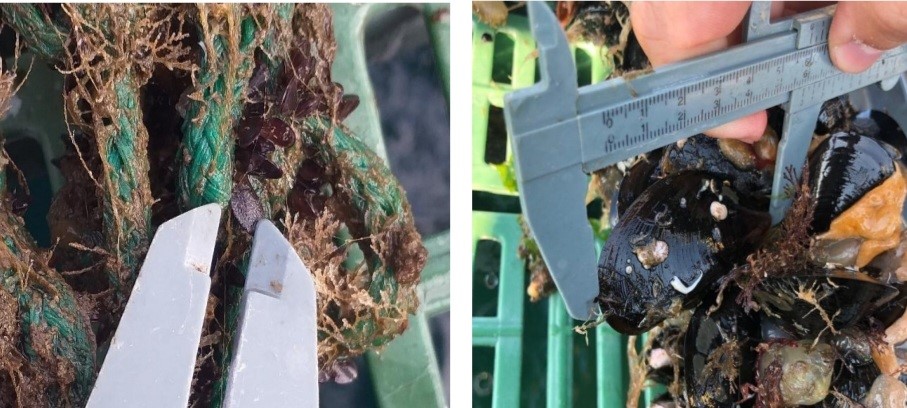
Juvenile mussels (from cryopreserved larvae) settled in ropes with their growth being checked. © Pablo Heres and Estefania Paredes.
Notes for Editors
ASSEMBLE Plus’s Joint Research Activity 2 (JRA2) Cryobanking Marine Organisms, addresses a constraint in the exploitation of marine genetic and biological resources, namely the current paucity of capability for preserving these resources ex-situ with guaranteed genetic, phenotypic and functional stability. JRA2 has developed reproducible cryopreservation methodologies for various life-stages of a range of marine macro-organisms and cryo-recalcitrant microorganisms. The results will improve and expand the availability of biological resources for Transnational Access at significantly reduced costs. ASSEMBLE Plus began in October 2017 and will run until September 2022. The project is coordinated by Sorbonne Université.
Image 1: Jesus Troncoso checking the mussels growing to adults in ropes after cryopreservation of the larvae. © Jesus Troncoso.
Image 2: Juvenile mussels (from cryopreserved larvae) settled in ropes with their growth being checked. © Pablo Heres and Estefania Paredes
About ASSEMBLE Plus
For more information about the project, please visit assembleplus.eu or email assembleplus_ta@embrc.eu. Follow @ASSEMBLE_Plus on Twitter for regular updates from the project.
For press queries, please contact Mercedes Arjona mercedes.arjona@sorbonne-universite.fr.
Research contact from the Universidade de Vigo: Estefania Paredes eparedes@uvigo.es
 This project has received funding from the European Union’s Horizon 2020 research and innovation programme under Grant Agreement no. 730984 (ASSEMBLE PLUS). This output reflects only the author’s view and the European Commission cannot be held responsible for any use that may be made of the information contained therein.
Ocean Sampling Day – Data now available!
Press release: 9 September 2022
Marine Biodiversity Observation Networks (MBON) are a growing global initiative consisting of regional networks of scientists, resource managers and end users, working to integrate data from existing long-term programmes. The aim is to improve our understanding of changes and connections between marine biodiversity and ecosystem functions. Within ASSEMBLE Plus’s Joint Research Activity 1 (JRA1) there are two genomic observation networks: Ocean Sampling Day (OSD) and Autonomous Reef Monitoring Structures (ARMS-MBON).
OSD is a simultaneous worldwide research campaign where marine biologists around the globe participate in sampling of the world’s oceans to produce contextual genomic data. OSD was launched by the MicroB3 project in the summer, on the solstice, 21 June 2014, with ASSEMBLE Plus taking on the OSD coordination in 2018. Through MBONs collecting cumulative samples, related in time, space and environmental parameters, researchers can gain invaluable insights into the marine environment, including insights into the changes in biodiversity as a result of climate change and the introduction of non-native species by shipping, etc. DNA analysis with chosen marker genes allows us to identify all prokaryotic and eukaryotic microbial species in the water samples obtained, while analysis of metagenomic data allows us to assess the functional content and potential of bacterial communities. Among the many questions that the data can answer, the basic ones include ‘’what organisms are found where’’ and ‘’what functions they can fulfil, under the assessed environmental conditions’’. All the samplings were carried out in a standardised way to allow comparability among samples and an accurate tracking of changes in the marine environment over time. The data collected will be a reference data set for generations of experiments to follow in the coming decades. One particular project that has benefitted from OSD data is the European Marine Omics Biodiversity Observation Network (EMO BON), an EMBRC project aiming to enhance the European contribution to global genomic observation efforts.
Since 2018, the ASSEMBLE Plus partner, the Hellenic Centre for Marine Research (HCMR) in Heraklion, Crete, have coordinated OSD, received and processed all the samples as well as extracted the DNA and sequenced 16S and 18S rRNA. Shotgun metagenomics data have also been produced by GENOSCOPE, France.
An important effort was necessary to find the best ways to make the data open access and FAIR (Findable, Accessible, Interoperable and Reusable), this was achieved by collaboration between the Flanders Marine Institute (VLIZ), the German Federation for Biological Data (GFBio) and HCMR. There is no one best route to data FAIRification, and there is still room for improvement in the interoperability between databases hosting biodiversity and environmental data and databases hosting molecular data. OSD data FAIRification has inspired collaborative projects between the European infrastructures European Marine Biological Resource Centre (EMBRC ERIC), ELIXIR Europe, and LifeWatch ERIC, within the context of the European Open Science Cloud (EOSC).
The cost of sequencing has been covered by EMBRC. The value of FAIR data will increase with time, as any new environmental dataset can be compared to it, to add insights on marine biodiversity structure, function and dynamics. As the quantity of genomic data on single species will increase with time, and high quality genomic and biological annotations will be added, OSD data can be revisited and reanalysed delivering more knowledge.
HCMR has carried out a preliminary analysis on the DNA metabarcoding of the OSD 16S rRNA data, to gain insights into the value of the data. These analysis results (species identifications) and the raw sequence data are published, to be shared for exploration with experts around the world. The OSD 2018 and 2019 sampling, environmental, and raw sequence data are published as a metadata record via VLIZ’s Integrated Marine Information System (IMIS); the OSD 2014 data have long been published on PANGAEA. Species identifications obtained from all three years of OSD will also shortly be submitted to biodiversity archives (OBIS, GBIF).
- OSD metadata record for 2014 in PANGAEA
- OSD metadata record for 2018 in IMIS
- OSD metadata record for 2019 in IMIS
The datasets and metadata are also available via the OSD GitHub Repository which also provides the data in machine-accessible formats, ensuring the data is in compliance with H2020’s Open Research Data Pilot, following the principles of FAIR (Findable, Interoperable, Accessible and Reusable).
For any questions, information, or assistance, contact the OSD team by sending an email to osd-contact@embrc.eu. For more information, please visit the OSD webpage. You can also watch previous videos at the OSD YouTube channel.
EMBRC to continue the work of ASSEMBLE Plus: Stimulating European excellence in marine biology and ecology research.
Press Release: 13 October 2022
After five successful years, the EU Horizon 2020-funded project, ASSEMBLE Plus (Association of European Marine Biological Laboratories Expanded) has closed and the European Marine Biological Resource Centre (EMBRC) will ensure the continuation of its legacy.
Launched in 2017, ASSEMBLE Plus provided scientists from academia, industry and policy with access to over 30 marine installations in 16 countries. Through specific initiatives such as the Transnational Access Programme, Networking Activities and Joint Research Activities (JRAs), ASSEMBLE Plus stimulated European excellence in fundamental and applied research in marine biology and ecology. Research outputs supported by ASSEMBLE Plus have improved European knowledge and technology bases for applications in blue economy, policy and education.
Key achievements of ASSEMBLE Plus include:
- Supporting over 500 international researchers from 46 different countries with their projects, while also enabling new strands of research by funding pilot projects.
- Introducing scientists to new facilities as well as offering training, networking and collaboration opportunities for hundreds of early career scientists.
- Supporting two initiatives for genomic observations: Ocean Sampling Day (OSD) andAutonomous Reef Monitoring Structures - Marine Biodiversity Observation Network (ARMS-MBON).
- Developing open access protocols for genetic manipulation and cryopreservationcamera-based underwater surveying techniques, and novel experimental platforms.
- Producing to support further research and advocating for the importance of applying FAIR data principles to all marine research.
In parallel to ASSEMBLE Plus (2017-2022) and the previous, FP7-funded ASSEMBLE project (2009-2014), EMBRC was developed as a long-term research infrastructure to support marine biological research. Today, EMBRC is Europe’s leading research infrastructure for marine biological resources with a mission to support marine biological and ecological research as well as innovation. EMBRC also works to raise awareness of marine biological research, its application, and relevance for society and policy. EMBRC will ensure that the legacy of ASSEMBLE Plus will continue beyond the project, specifically:
- Researchers will still be able to access ASSEMBLE Plus facilities via the EMBRC network.
- Platforms and protocols developed during ASSEMBLE Plus are available on the EMBRC’s Service Catalogue.
- Genomic observation initiatives will continue: ARMS-MBON will be included in the European Marine Omics Biodiversity Observation Network (EMO BON) and OSD will become All Atlantic Sampling Day as part of the AtlantEco project.
Dr Nicolas Pade, ASSEMBLE Plus Scientific Coordinator and Executive Director of EMBRC said,
“I am delighted that EMBRC will be able to continue the important work that ASSEMBLE Plus has started. Collaboration is the key to successful research. Sharing ideas, working with people from different disciplines and visiting other institutions and facilities are all vital tools that will help us to understand and tackle the problems facing our marine environments. We look forward to working with the ASSEMBLE Plus alumni and community for many years to come!”
For more information about the outputs and legacy of ASSEMBLE Plus, please visit assembleplus.eu or download the final project newsletter. For information about EMBRC, visit embrc.eu.
Notes for Editors
About ASSEMBLE Plus
For more information about the project, please visit assembleplus.eu or email assembleplus_ta@embrc.eu. Follow @ASSEMBLE_Plus on Twitter for regular updates from the project.
For ASSEMBLE Plus queries, please contact Mercedes Arjona mercedes.arjona@sorbonne-universite.fr.
For EMBRC queries, please contact the EMBRC Secretariat at secretariat@embrc.eu.
About EMBRC
EMBRC (European Marine Biological Resource Centre) enables researchers to better understand the ocean's biodiversity by facilitating access to marine organisms and their ecosystems, while providing the necessary services, facilities and other resources to support innovative research. Services are provided by more than 70 sites in ten member countries: Belgium, France, Greece, Israel, Italy, Norway, Portugal, Spain, Sweden and the United Kingdom. Read more about how to access EMBRC services or watch the ABCs of using EMBRC video.
In addition to providing various services, EMBRC contributes to European and international projects. Diverse in scope and country involvement, these projects aim to enhance EMBRC activities and/or services, strengthen collaboration with similar European organisations, structure the research community and provide services to support research. You can learn more about the projects EMBRC are involved in by visiting the EMBRC Projects page.
This project has received funding from the European Union’s Horizon 2020 research and innovation programme under Grant Agreement no. 730984 (ASSEMBLE PLUS). This output reflects only the author’s view and the European Commission cannot be held responsible for any use that may be made of the information contained therein.
Book-keeper/Accounts Assistant
Position Title: Book-keeper/Accounts Assistant
Type: Flexible Full-time/part-time/job share – 2 year contract. Position available immediately.
Location: Hybrid working arrangement, Dublin city centre, Ireland
Application Deadline: 20th February 2023
Application Documents: A well-motivated application letter outlining why you feel you are a suitable candidate and possess the necessary skills and experience to fulfil the requirements of the role, together with a CV addressing our essential criteria, including 3 references, should be emailed to jobs@erinn.eu
ABOUT AQUATT
At AquaTT we believe that scientific research can, and should, enrich our lives and help deliver a sustainable future for humanity. We understand that, for this to happen, the results of this research must reach the relevant decision makers, policy creators, scientists, industry groups and the wider public, so we work with European funded scientific projects to help ensure that the new knowledge they generate is effectively transferred to create maximum positive impact. We use our skills to make a difference and help research benefit society.
With 25 years of experience, AquaTT has proven itself as an expert at managing European projects, with a strategic focus on knowledge management and transfer, dissemination and training. AquaTT operates extensively within the European scientific research arena and has demonstrated a track record in successfully pursuing, acquiring and managing a significant number of grants (across the FP7, H2020, Interreg and Lifelong Learning Programmes), enabling it to build a knowledge-based organisation with key networks among national and European stakeholders in the marine and other sectors.
AquaTT works with Europe’s top researchers for the entirety of each project’s life cycle, from project conception through to delivery, designing and carrying out projects that will have positive societal impact. AquaTT collaborates with over 250 institutions in more than 40 countries, operating in research domains such as Marine Science, Environment, Water, Health, Climate Change, Energy and Food. AquaTT’s policy has been to build an experienced and multidisciplinary team of experts from different backgrounds. Our team uses their collective expertise in scientific research, business, communications, training, teaching and industry to design and manage innovative activities tailored to the needs of each specific project. The company has an inventive and collaborative nature, where employees are valued and inspired as well as rewarded for their ideas and contributions. AquaTT’s people demonstrate personal behaviour that integrates and promotes strong values of trust, respect, transparency and fairness into the organisation’s practices.
DESCRIPTION OF POSITION:
The Accounts Assistant will contribute to the management, control and reporting of the Company’s finances, working across AquaTT and ERINN Innovation.
The main duties of the post include:
- Creditors Ledger and Payment management
- Debtors Ledger and Credit control
- Bank reconciliations
- Petty cash reconciliations
- Credit card statement reconciliations
- Revenue returns – VAT and PAYE
- Monthly Payroll
- Preparation and posting journals to general ledger
- Assist with the preparation of Management Accounts
- Assisting with project reporting
- Monthly reporting to strict deadlines
- Assisting with Audit file preparation
- Other Ad Hoc duties as may be assigned
REQUIRED SKILLS AND EXPERIENCE
AquaTT and ERINN arelooking for a pro-active, diligent and dedicated individual, who must have suitable skills to carry out the duties described above as well as excellent soft skills such as communication and networking, stakeholder engagement, time management and task prioritisation, and be able to work to tight deadlines.
Essential Criteria
- EEA work authorisation;
- Qualified Accounting technician (IATI or AAT), Part qualified Accountant (ACA, ACCA, CIMA);
- A minimum of three years’ demonstrable experience in a similar finance role;
- Strong understanding of double entry bookkeeping;
- Strong numerical skills and attention to detail;
- Excellent written and spoken English;
- Excellent presentation skills;
- Ability to communicate clearly, courteously, and professionally to both finance and non-finance stakeholders;
- A highly organised and efficient approach to managing responsibilities and effectively prioritise and execute tasks in a fast-paced environment;
- Task-oriented, responsible and autonomous;
- Strong interpersonal skills;
- Commitment to delivering on allocated tasks;
- Good ability to work in a team and in multicultural environments;
- Good ability to demonstrate initiative;
- Must be able to learn, understand, and apply new information;
- Sound working knowledge of MS Office systems – Word, Excel. Powerpoint.
Desired criteria
- Knowledge of Quickbooks and SAGE accounting systems would be an advantage;
- Preparation of Financial Statements under FRS102;
- Understanding on On-Line banking systems
REMUNERATION
The salary scale for this position is dependent on experience and qualifications.
Conditions:
- Holiday entitlements are 20 working days per annum
- Additional 5 days of company holiday leave is given over the Christmas period.
- Internal and external training opportunities (relevant to the role) will be provided
- The company offers a defined contribution pension plan after the successful completion period of the probationary period
- Flexible working hours
- Hybrid working arrangements from home and office in Dublin
- Income protection and Life insurance plan
Overtime may be required to meet deadlines as part of the contract.
Richard Fitzgerald Award 2023

The 2023 winner of the Richard Fitzgerald Memorial Prize for the Best Aquatic Poster has been announced.
Congratulations to Nicolé Caputo, ATU Galway, for her poster presentation: "Doom and Bloom: past, present, and future perspectives of Harmful Algal Blooms in Irish waters."
The prize is awarded annually at the ESAI Environ conference in memory of one of AquaTT's founding fathers and esteemed figure in Irish aquaculture research and development, Richard Fitzgerald. The award was presented by Richard's wife, Professor Frances Lucy (ATU Galway).
Nicolé received a €250 prize proudly sponsored by AquaTT for her poster.
Please visit the conference website for an overview of other prize winners.
EMPORIA4KT applies its knowledge transfer training methodology to the Canaries’ Blue Economy

Press release: June 2023
In January 2022 the EMPORIA4KT project began an extension to the end of June 2023, granted by the INTERREG Atlantic Area funding programme, in order to continue developing novel tools and methodologies for forging links between academia, business, government and society stakeholders within the European Blue Economy. A key aspect of this period has been a focus on applying the project concepts to the Canary Islands, especially La Palma, as a means of reinvigorating the local blue economy in the wake of the 2021 Tajogaite eruption.
In May 2022 EMPORIA4KT ran a collaborative ‘bootcamp’ on La Palma. This workshop’s co-creation activities provided the 43 participants with insights into the perspectives of the broad spectrum of blue economy stakeholders in the archipelago. These findings were further expounded upon in the public Blue Economy Forums held in December 2022 and March 2023, wherein 85 representatives of blue economy stakeholders discussed cross-cutting opportunities for knowledge transfer across key sectors including blue recreation, fisheries, hospitality and environmental management.
Over this period the project once again ran its celebrated Blue Economy Technology Transfer Programme for training researchers on the development of exploitation plans for early-stage technologies, this time concentrated on ESTs with relevance to the Canary Islands. Over a nine-month period three teams of researchers each sought to develop feasible routes to market for their respective technologies, guided by EMPORIA4KT training workshops and groups of mentors from both the academic and industry sectors. This training covered topics such as science communication, negotiation skills, IP considerations, value propositioning, systems thinking, understanding the quadruple helix, blue economic policies, corporate finance basics, de-risking and pitching early-stage technologies.
The final presentations of the research teams will be presented at the upcoming EMPORIA4KT final event, being held on June 21-22. Titled Fostering Innovation through the Blue Economy: from the Canary Islands to the Atlantic Area perspective, this event will also feature the presentation of major outputs, conclusions and discussion points from the project overall. These will include the delivery of a white paper on blue economy innovation in the Canary Islands, roundtable discussions on the challenges and opportunities of blue economy innovation as well as policies and funding mechanisms for fostering this innovation, strategies for long-term implementation of EMPORIA4KT concepts and the overview of EMPORIA4KT tools such as the Blue Economy Risk Assessment Tool, the Blue Economy Dashboard and Academic Enhancer Learning Tool.
The EMPORIA4KT project is due to conclude at the end of June, 2023, however this highly successful practical demonstration in the Canary Islands, together with international recognitions such as the Atlantic Area Project Award it received in 2022, confirm the validity of the project’ concepts for promoting innovation in the blue economy. The consortium is dedicated to exploring means by which the outputs of EMPORIA4KT might continue to support knowledge transfer for blue economy stakeholders long after the project comes to an end.
The executive summary of the white paper on the promotion of blue knowledge transfer and innovation in the Canary Islands, in both Spanish and English, is available on the EMPORIA4KT website. There users may also find information on the various tools, outputs and publications developed over the course of the project.
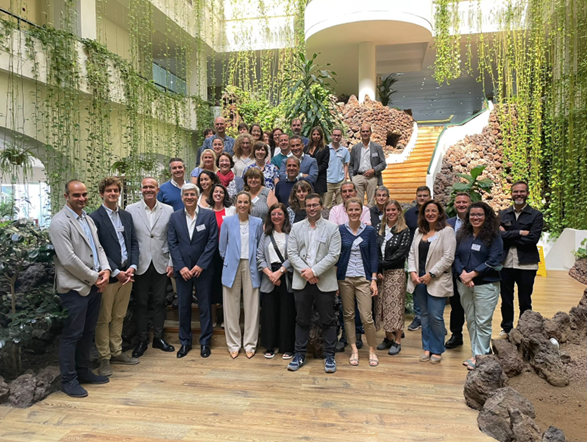
Participants of the La Palma Bootcamp (Los Cancajos, 2022).
Richard Fitzgerald Award 2024

The 2024 winner of the Richard Fitzgerald Memorial Prize for the Best Aquatic Poster has been announced.
Alexander Savelev from DCU for his poster presentation Detection of PMT Chemicals in Environmental Samples via SPE and HPLC Analysis. Alexander has submitted an article on his research which can be found here.
The prize is awarded annually at the ESAI Environ conference in memory of one of AquaTT's founding fathers and esteemed figure in Irish aquaculture research and development, Richard Fitzgerald.
Alexander received a €250 prize proudly sponsored by AquaTT for his poster.
Please visit the conference website for an overview of other prize winners.