Apply Now for the Free AQUAEXCEL2020 Training Course on Recirculating Aquaculture Systems (RAS)

Applications are now being accepted for the second training course organised by the Horizon 2020-funded AQUAEXCEL2020 project (AQUAculture infrastructures for EXCELlence in European fish research towards 2020). The Recirculating Aquaculture Systems (RAS) course will be hosted by l’Institut français de recherche pour l'exploitation de la mer (Ifremer), in Sète, France from 24 - 28 October 2016.
AQUAEXCEL2020 aims to bring together, integrate, and open up highly diverse key national and regional aquaculture Research Infrastructures in Europe to all European researchers, from both academia and industry, ensuring their optimal use and joint development. AQUAEXCEL2020 will organise nine pioneering technical training courses focusing on different aspects of aquaculture experimentation. These courses present a valuable opportunity for researchers and technicians in this field to further their experience.
RAS allow a constant and adjustable quality of the rearing water to be maintained, therefore contributing to more intensive and reliable production and substantial energy savings. They have become increasingly used for the on-growing of a wide variety of fish (including marine species) and shellfish, as well as to grow out freshwater species and produce marine fingerlings.
The objectives of this course are to review the basics of RAS and examine the different systems, designs, operations and applications. A half day will be dedicated to a RAS industry mini seminar for which industry stakeholders are invited to join.
The full course is designed for aquaculture professionals with a university degree (e.g. engineers, researchers, etc.) interested in the potential applications of RAS (i.e. controlled intensive fish farming, water reuse, use of environmentally friendly technologies, etc.). Interested industry stakeholders who are not involved in the full course are welcome to take part in the industry mini seminar.
Course attendance is free, thanks to EC H2020 funding. Participants are expected to pay for their own travel, subsistence and accommodation. Participants taking part in the full training course are requested to submit their CV and a brief letter of motivation. Places will be confirmed, at the latest, one month before the start of the training course. To submit your registration request, please send your completed official registration form (http://www.aquaexcel.eu/images/training_courses/H2020_training_courses/AE2020_Training-Course-2_registration-form.doc) to aquaexcel@aquatt.ie, with the following subject line: AQUAEXCEL2020 / training course #2 (Ifremer)
Industry participants attending the industry mini seminar only (Friday 28 October 2016, 08.30 – 13.00) are requested to register by submitting their affiliation and contact details via e-mail to aquaexcel@aquatt.ie. Please indicate the following in the subject line: AQUAEXCEL2020 / training course #2 (Ifremer) – industry
The application deadline is Friday 9 September 2016.
For further information about the course content, and other information of interest, please visit www.aquaexcel.eu or see http://www.aquaexcel.eu/images/training_courses/H2020_training_courses/AQUAEXCEL2020_Course-2_Promo-Flyer.pdf.
Lindsay Laird Award

Lindsay Laird Award Winners |
||
 |
 |
2019M. Nicola RhynerZurich University of Applied Sciences, Switzerland "Assessing microsatellite markers to assess post-stocking survival of hatchery-reared Atlantic trout (Salmo trutta) in tributaries of a pre-alpine lake” |
 |
2018Irene BrandtsUniversitat Autònoma de Barcelona, Spain "Do Differences in Coping Styles Influence Stress Response after Vaccination in Gilthead Sea Bream?” |
|
 |
 |
2017Francisco GuardiolaUniversity of Porto (Portugal) and University of Murcia (Spain) "Generation of a brain-derived cell line from Fundulus heteroclitus and its use for antiviral immunity studies” |
 |
 |
2016Cecília de Sousa ValenteFederal University of Santa Catarina (FUSC), Brazil "Transcription profile of target genes in the Pacific White Shrimp (Litopenaeus vannamei) kept in biofloc and clear seawater and experimentally infected with White Spot Syndrome Virus” |
 |
 |
2015Andrea FrankeGEOMAR Helmholtz Center for Ocean Research, Kiel, Germany "Does poly-ß-hydroxybutyrate stimulate the immune system of European sea bass larvae?" |
 |
 |
2014Marina MachadoCentro Interdisciplinar de Investigação Marinha e Ambiental (CIIMAR), Universidade do Porto, Portugal “Dietary Methionine Supplementation but not Tryptophan Improve Cell Mediated Immunity of European Seabass Dicentrarchus labrax” |
 |
 |
2013Giulia MicallefUniversity of Aberdeen, Scotland |
|
|
 |
2012Jiri Kristan
University of South Bohemia, Czech Republic "The alcalase enzyme treatment for elimination of egg stickiness in pikeperch Sandar lucioperca L." |
 |
 |
2011Carolina de HaroUniversity of Almeria, Spain |
 |
 |
2010Dalila SerpaInstituto de Investigação das Pescas e do Mar (IPIMAR), Portugal |
 |
2009Gonçalo SantosWageningen University, the Netherlands “Effects of Dissolved Carbon Dioxide on Energy Metabolism and Stress Response in European Seabass Dicentrarchus Labrax” |
|
 |
2008Sabine KeuterUniversity of Hamburg, Germany “Inhibitory effects of plastics and nitrate on nitrification in aquacultural biofilters” |
|
|
|
|
|

Second Issue of Sea Change Project News Now Available

The second issue of the Sea Change project newsletter is now available to download from the project’s website: www.seachangeproject.eu.
Sea Change is a three-year EU Horizon 2020 funded project that aims to establish a fundamental “Sea Change” in the way European citizens view their relationship with the ocean. Sea Change will create a deeper understanding of how the health of European citizens depends on the health of our ocean, and how the health of our ocean depends on the actions of our citizens.
The second issue of the Sea Change project newsletter includes some inspiring ideas about how to help tackle ocean acidification and is also a great place to get updates on the project’s recent Ocean Literacy endeavours. This issue features: a report on consultations with education stakeholders about bringing Ocean Literacy into European schools; results of the Think Big, Think Ocean ideas contest and the Future Ocean computer game design contest; details of upcoming eLearning books and new learning resources on the links between the ocean and human health.
Get the latest news on the Sea Change project! Follow us on Twitter @SeaChange_EU and like us on Facebook at www.facebook.com/SeaChangeProjectEU.
For press queries, please contact the project Communications Officer: Tanja Calis, AquaTT (email: tanja@aquatt.ie, Tel: +353 1 644 9008)

EWEAS Meeting on energy and water efficiency in the aquaculture sector demonstrates global appetite for increasing sustainability in the sector

Press Release: 25/05/2021
Meeting on energy and water efficiency in the aquaculture sector demonstrates global appetite for increasing sustainability in the sector
Members of the international aquaculture community joined the online event, Energy and Water Efficiency in the Aquaculture Sector: Examples of best practice and launch of e-learning platform on 12th May 2021. An outcome of the EU-funded EWEAS Project (eweasproject.eu), the event was hosted by AquaTT, Ireland.
The meeting opened with presentations by aquaculture experts covering the theme of sustainability in the sector. These included Energy Efficiency in Recirculating Aquaculture Systems (Maddi Badiola, Alpha Aqua A/S and HTH Aquametrics LLC); Sustainability and Resource Efficiency in an Aquaculture Pond System in Ireland (Damien Toner, An Board Iascaigh Mhara); The Reduction of Water and Energy Usage in Seafood Processing (Israel Muñoz, Institute of Agrifood Research and Technology, Catalunya) and an Overview of the EWEAS Project (Mercedes Rodríguez-Caro de la Rosa, SGS Tecnos).
An interactive discussion followed covering a wide range of important topics, particularly focussed on how to generalise energy and water efficiency measures when aquaculture facilities are so variable, not only in relation to their structure and function but also the external pressures from particular climatic or local conditions. The panel highlighted the importance of energy audits to understand the system and design tailored solutions. There are also easy, universal improvements to be made by improving lighting, pumping and heating efficiency, or the application of local renewable energy generations. All of these areas are covered in the free EWEAS online training programme.
The second part of the event was comprised of parallel sessions in English, Italian, Latvian, Slovenian and Spanish to demonstrate and discuss the new e-learning platform developed by EWEAS.
The meeting was very well attended, with more than 170 registered participants representing 32 countries covering all continents (except Antarctica!), 50% of whom were from commercial organisations. This demonstrates the significant global and commercial interest in developing pathways to improve sustainability in the aquaculture sector, addressing both environmental and economic motivations.
The EWEAS e-learning platform on Energy and Water Efficiency in the Aquaculture Sector launches at the end of May 2021. A beta testing version is freely accessible now at eweastraining.eu.
Notes for Editors
The EWEAS project (E-learning platform: Energy and Water Efficiency in the Aquaculture Sector) is funded through the Erasmus+ Programme (Grant Agreement no. 2018-1-ES01-KA202-050473). The project focuses on enhancing knowledge and competence of professionals working with water and energy issues in the aquaculture sector.
The project ran for 30 months from 2018 to 2021. The EWEAS consortium is composed of 5 partners from 5 European countries (Spain, Slovenia, Latvia, Ireland, Italy). The project is coordinated by SGS Tecnos (Spain). AquaTT is the project dissemination partner.
Contact and press queries
Email: info@eweasproject.eu
Twitter: @ErasmusEWEAS
Website: eweasproject.eu
The Marine Microbiome: A treasure trove of scientific and industrial potential

The worlds of science and industry gathered in Berlin, Germany, from 27-30 June 2016 to discuss the untapped biotechnological potential of the ocean’s microorganisms at the ‘Marine Microbiome – Discovery & Innovation’ conference.
Hosted by the EC FP7-funded MaCuMBA project, this joint industry conference and open science meeting brought together experts from across the globe to discuss how novel research discoveries in the field of marine biotechnology can greatly improve Europe’s capacity to generate new commercial opportunities.
The event was held at the Science and Technology Park Berlin-Adlershof and consisted of a one-day industry conference followed by a two-day open science meeting. Most attendees participated in both events, taking advantage of the excellent opportunity for industry and science stakeholders to exchange experiences and generate new ideas to drive this important area forward.
‘Marine Microbiome – Discovery & Innovation’ represented the culmination of the four-year MaCuMBA project, which has focused on increasing the rate of isolation of marine microorganisms using novel high throughput techniques for improved isolation efficiency and cultivation of marine microorganisms, and screening for bioactive compounds and biotechnological applications.
With a diverse and comprehensive three-day programme, the event brought together more than 30 high-level experts and over 120 attendees from 17 nations, including numerous European countries, the USA, Israel, South Africa, Mexico and Ecuador. The conference activities included round table and moderated panel discussions; an interactive industry exhibition; one-to-one meetings; a plenary programme with key speakers presenting the latest trends and main issues; and relaxed informal networking opportunities. All activities were designed to provide a platform for research and industry alike to diversify their cross-sectorial knowledge, strengthen their existing partnerships and build new opportunities.
MaCuMBA Project Coordinator, Lucas Stal said: “All invited speakers at the industry conference and open science meeting gave wonderful contributions, and the expert panel members discussed their topics enthusiastically. Each of the four round tables were bustling with lively discussions. The contributions of all those who attended, both oral and poster presenters, exhibitors and delegates, all culminated in making this conference such an excellent event! It is my hope that all participants enjoyed the conference as much as I did.”
In addition to the numerous presentations and discussions of novel research results and applications, several interactive round tables were organised, which provided a more focused atmosphere for researchers to engage in detailed conversations about important questions relevant to their line of work.
The exhibition hall in particular showcased key outputs and ‘hardware’ of the MaCuMBA project that have high potential industrial relevance, and are prime candidates for practical commercial development and applications. Researchers were on hand to demonstrate and explain how the European marine biotech industry could benefit from the latest research results in the area. One example is the ‘optical tweezers’ developed by MaCuMBA partners Heriot-Watt University (Edinburgh, UK). This state of the art instrument is capable of isolating single cells out of a mixture of cells. They have also developed an integrated optical-microfluidic device to rapidly isolate a large number of cells based on electrokinetic approaches. Start-up companies were also present, among them CellDeg, who showcased their novel high density cultivators, demonstrating live how photoautotrophic cultures can rapidly grow in a membrane based cultivation system.
One of the highlights of the plenary session was the screening of the MaCuMBA short film. “Revealing the Secrets of Marine Microbes” was produced by the creative team at eCOAST Marine Research who shadowed the work of MaCuMBA researchers in Texel, The Netherlands. This video is ideal for educational use and is available to view and download on the MaCuMBA project website: http://macumbaproject.eu/macumba-disclaimer/macumba-news/1639-new-video-revealing-the-secrets-of-marine-microbes
For more information about MaCuMBA and its final conference, please visit: www.macumbaproject.eu, or contact Marieke Reuver, email: marieke@aquatt.ie.
For all the latest updates from the project please follow MaCuMBA on Twitter (@MaCuMBAProject) and like it on Facebook (www.facebook.com/MaCuMBAProject).

Dr Lynn Paterson (Heriot-Watt University) demonstrates hardware developed by MaCuMBA researchers including a Laser tweezer, optical pressure-based cell sorter, and MicroDish at the Industry exhibition. Credit: AquaTT
New desalination project strives to tackle global drinking water challenge

Over the next four years the new European Commission-funded REvivED water pilot project will contribute to addressing the world’s drinking water challenge by establishing electrodialysis as the preferred process for desalination of seawater, in order to provide a source of safe, affordable, and cost-competitive drinking water.
The balance between drinking water demand and water availability has reached a critical level in many regions of the world. Factors such as climate change are causing more frequent and severe droughts which exacerbate these adverse conditions. With seawater making up 97.5% of the world’s water resources, low energy desalination solutions will be crucial in providing sufficient levels of good quality drinking water for a growing global population.
Electrodialysis (ED) refers to movement of ions from one solution to another via a semi permeable membrane, while applying an electric potential. REvivED water, with a budget of €9.8 million, will focus on several different applications:
- Off-grid brackish water ED desalination in developing countries
- ED-based tap-water softening in Europe
- Industrial scale seawater ED desalination
- Industrial scale seawater desalination based on integration of ED with RED (Reverse ED) to reduce the energy consumption
- Industrial scale seawater reverse osmosis desalination combined with ED/RED for initial market introduction
Pilot testing will take place in real environments to demonstrate achievements regarding energy consumption, water quality and cost price, among others.
This ambitious project was officially launched on 1 May 2016 and is due to run until April 2020. Representatives from all 10 European partner organisations met at the project kick-off meeting in Brussels, Belgium, on 8–9 June 2016 to discuss activities to be undertaken during the project’s lifetime.
The REvivED water website will be coming soon at www.revivedwater.eu
For REvivED water Project Information, please contact: Dr. Natalie Tiggelman, Project Coordinator (natalie_tiggelman@fujifilm.eu), www.fujifilmmembranes.com
For press queries or to receive regular project updates, please contact: Alberto Vallejo, AquaTT Project Officer (alberto@aquatt.ie), or Miriam Balaban, European Desalination Society (EDS) (balabanmiriam@gmail.com)

REvivED water project partners at the kick-off meeting in Brussels.
ECsafeSEAFOOD Final Event: Seafood Safety – New Findings & Innovation Challenges

The EU-funded ECsafeSEAFOOD project will host a stakeholder event and open science meeting at the Royal Flemish Academy of Science and Art in Brussels, Belgium, from 25-26 January 2017. The conference, entitled ‘Seafood Safety: New Findings & Innovation Challenges’ is a unique event that marks the end of the ECsafeSEAFOOD project which has assessed food safety issues related to non-regulated contaminants present in seafood as a result of environmental contamination and evaluated their impact on public health.
International Stakeholder Event: Wednesday 25 January 2017, 9.00 – 12.30hrs
Open Science Conference: Wednesday 25 January, 13.00 – 18.00hrs & Thursday 26 January, 9.00 – 17.00hrs
Deadline for registration: 13 January 2017.
Seafood has been recognised as a high-quality, healthy and safe food type and is one of the most important food commodities consumed worldwide. However, seafood, like other types of food, can also be a source of harmful environmental contaminants with potential to impact on human health. To address these issues, ECsafeSEAFOOD provides scientific evidence to serve as a basis for further development of seafood safety, public health and environmental policies and measures, by seeking to establish a quantitative link between the contamination of the marine environment and that of seafood.
Conference participants will have the opportunity to exchange knowledge on seafood safety, identify the key issues associated with seafood safety in Europe and discuss strategies to mitigate these risks, debate seafood safety risks and challenges, and network with food safety experts.
A diverse set of topics will be discussed during Seafood Safety – New Findings & Innovation Challenges, including: consumer concerns and needs; marine toxins in seafood and the environment; toxicity and modelling of seafood contaminants; rapid detection tools for environmental contaminants; quality assurance of seafood monitoring data; the future of seafood safety; communication outreach and education.
For more information about this event and to pre-register, please visit www.ecsafeseafoodconference.com, or contact ecsafeseafoodconference@ipma.pt
Download the Seafood Safety – New Findings & Innovation Challenges flyer.
For all the latest updates as the event approaches please visit our conference webpage and follow us on Twitter (@ECsafeSEAFOOD).
Full Programme:

Introduction
15th Issue of MaCuMBA Project News Now Available
The 15th issue of the MaCuMBA (Marine Microorganisms: Cultivation Methods for Improving their Biotechnological Applications) project newsletter is now available to download from the project’s website: www.macumbaproject.eu. MaCuMBA is a four-year EC FP7-funded project that aims to uncover the untold diversity of marine microbes using cultivation-dependent strategies.
This issue of MaCuMBA Project News focuses on two new videos produced by MaCuMBA project partners MicroDish BV and eCOAST. MicroDish BV have created an animated short video to illustrate the use of the MicroDish Culture Chip (MDCC) to screen marine microorganisms. Meanwhile, the creative team at eCOAST have been engaged in shadowing the work of MaCuMBA researchers for a series of short films to showcase the work of MaCuMBA.
Of foremost importance to the concluding phase of the project is MaCuMBA’s final event, a joint science and industry conference entitled ‘The Marine Microbiome – Discovery & Innovation.’ The updated conference programme is highlighted in this issue of MaCuMBA Project News in anticipation of the event which takes place next week (27-30 June 2016) in Berlin-Adlershof, Germany. Other interesting information outlined in this issue includes details of the most recent scientific publications acknowledging MaCuMBA and marine microorganism-relevant news items.
For more information about MaCuMBA and its final conference, please visit: www.macumbaproject.eu, or contact Marieke Reuver, email: marieke@aquatt.ie.
For all the latest updates from the project please follow MaCuMBA on Twitter (@MaCuMBAProject) and like it on Facebook (www.facebook.com/MaCuMBAProject).
Biggest ever assessment of Atlantic deep-sea ecosystems gets underway

The European Commission’s Horizon 2020 funding programme is supporting the largest and most ambitious assessment of deep-sea Atlantic ecosystems ever undertaken through the €9 million ATLAS (A trans-Atlantic assessment and deep-sea ecosystem-based spatial management plan for Europe) project, which kicked-off on 13-15 June 2016 in Edinburgh, Scotland.
The launch of ATLAS marks the beginning of an exciting series of expeditions involving at least 25 research cruises and hundreds of scientists from 10 European countries, the USA and Canada, working collaboratively to explore the depths of the Atlantic Ocean over the next four years.
ATLAS Project Coordinator Professor J. Murray Roberts, from Heriot-Watt University, said: “The north Atlantic was the birthplace of deep-sea biology and the cradle of oceanography. It’s the place we should know best, but it’s only over the last 20 years that we’ve uncovered just how varied and vulnerable the Atlantic’s deep-sea habitats really are.”
ATLAS will strive to improve our understanding of the complexity of deep-sea ecosystems and to predict future shifts and vulnerabilities of these ecosystems and their associated species, including those that are new to science. To do this requires a multi-disciplinary team of scientists and an integrated approach to tackling the problem. Alongside traditional approaches, ATLAS scientists will explore modern molecular techniques, such as environmental DNA (eDNA) sequencing, to search water and sediment samples for known and undiscovered deep-sea species.
As well as carrying out pioneering research and discovery, a major goal of ATLAS is to develop a scientific knowledge base that can inform the development of appropriate international policies to ensure deep-sea Atlantic resources are managed effectively. This will contribute to the European Commission’s long-term “Blue Growth” strategy to support sustainable growth in the marine and maritime sectors as a whole. Seas and oceans are drivers for the European economy and have great potential for innovation and growth. The “blue” economy represents roughly 5.4 million jobs and generates a gross added value of almost €500 billion a year for Europe.
ATLAS also intends to carry out outreach activities to raise awareness of the importance and vulnerability of the Atlantic ecosystem and the impact humans are having on the ocean environment. This will contribute to a major international effort for “Ocean Literacy” to make all European citizens aware of the importance of the oceans on everyday life on Earth and what actions they can take to help protect them. Activities will include the development of deep sea education material, a travelling road show and a new interactive exhibition on the ocean at Dynamic Earth, a science centre in Edinburgh which receives over 220,000 visitors per year.
ATLAS is already catching the media and public’s imagination and was covered on BBC One Breakfast TV on 17 June 2016. You can watch this news report at: http://www.bbc.com/news/video_and_audio/headlines/36532758
For more information, please visit: www.eu-atlas.org. Twitter: @atlas_eu
Contact us:
Project coordination: Prof. J. Murray Roberts (J.M.Roberts@hw.ac.uk);
Communication: Dr. Claudia Junge (claudia@aquatt.ie)

Members of the ATLAS consortium at the project’s kick-off meeting in Edinburgh in June 2016.
Second AQUAEXCEL2020 Call for Access Now Open: Fully EC-Funded Access to Top-Class Aquaculture Research Infrastructures

The second AQUAEXCEL2020 (AQUAculture infrastructures for EXCELlence in European fish research towards 2020) Call for Access is now open, with a deadline of 8 July 2016.
On a regular basis, the AQUAEXCEL2020 project will invite proposals from European research groups for scientific research that utilises the facilities of any of the participating aquaculture research infrastructures. The AQUAEXCEL2020 project unites major aquaculture experimental facilities with capacity to undertake experimental trials on a selection of commercially important fish aquaculture species and system types. These installations are made available to the research community for Transnational Access (TNA) with the support of the European Union’s Horizon 2020 Research and Innovation Programme.
The facilities available cover the entire range of production systems (cage, pond, recirculation, flowthrough, hatchery and disease challenge); environments (freshwater, marine, cold, temperate and warm water); scales (small, medium and industrial scale); fish species (salmonids, cold and warm water marine fish, freshwater fish and artemia); and fields of expertise (nutrition, physiology, health & welfare, genetics, engineering, monitoring & management technologies).
Interested researchers can propose projects that involve visits of one or in some cases two people to the chosen research infrastructure for periods of up to three months. Access to the research infrastructures and associated travel and subsistence expenses will be paid for under the project.
For more information, visit: www.aquaexcel.eu
Spotlight on the MaCuMBA Project
Learn more about the fascinating MaCuMBA project in this short video which gives a little glimpse into the story of the project: its genesis, objectives and successes, as told by Project Coordinator Prof. Lucas J. Stal. MaCuMBA is an EU-funded project that focuses on increasing the rate of isolation of marine microorganisms using novel high throughput techniques for improved isolation efficiency and cultivation of marine microorganisms and screening for bioactive compounds and biotechnological applications.
Later this month the project will host the Marine Microbiome - Discovery & Innovation Conference, a joint industry conference and open science meeting taking place in Berlin-Adlershof, Germany’s leading science and technology park, from 27-30 June 2016. The conference will focus on the biotechnological applications of marine microbes.
Registration for this unique event is now open and poster abstracts will be accepted until 13 June 2016. For more information about this event and to register, please visit www.macumbaproject.eu, or contact info@macumbaproject.eu.
For all the latest updates as the event approaches please visit our conference webpage http://macumbaproject.eu/international-marine-microbiome-conference. Follow us on Twitter (@MaCuMBAProject) and Like us on Facebook (www.facebook.com/MaCuMBAProject).
Spotlight on the MaCuMBA Project from AquaTT on Vimeo.
Robust Autonomous Sensors to Revolutionise Marine Monitoring

With the COMMON SENSE project now in its final year, impressive progress is being made towards achieving the project’s aims of developing low cost sensors that will revolutionise current marine monitoring strategies.
 Representatives of the 15 COMMON SENSE partner organisations gathered at the state-of-the-art National Centre for Sensor Research (NCSR) (www.ncsr.ie) at Dublin City University (DCU), Ireland, from 6-7 April 2016 to discuss exciting results from recent sensor testing exercises. Pre-final versions of sensors, final integration steps, testing platform availability and deployment schedules were also presented.
Prof Dermot Diamond, Director of the NCSR, was keen to emphasise the remarkable breadth of the project’s vision during the Dublin meeting. He said, “Great strides have already been made towards accomplishing our ambitious objectives during the first 30 months. The final 10 months will focus increasingly on bringing the ambitions of the project together.”
The sensors being developed by COMMON SENSE will increase the supply of critically needed standardised data on: eutrophication; concentrations of heavy metals; microplastic fraction within marine litter; underwater noise; and other parameters such as temperature, pH, pCO2 and pressure. These cost-effective sensors directly respond to current marine monitoring challenges and will be a key tool for EU Member States in meeting their Marine Strategy Framework Directive (MSFD) requirements and achieving Good Environmental Status (GES) of their marine territories.
Sergio Martinez, COMMON SENSE Scientific Coordinator, said: “COMMON SENSE is undoubtedly developing sensors that are beyond the state of the art, but this, in and of itself, is not the greatest achievement of the project. What we are really striving to do here is to make sensors that are low cost, robust, and can withstand tough environments. These sensors transmit data through a communications and web platform, also developed by the project, which will ensure a continuous flow of much needed information on the health of our marine environments. These are practical sensors that will benefit all European citizens by helping member states to reach and maintain GES of our waters through cost effective monitoring programmes.”
The robust nature of the sensors developed by COMMON SENSE will be put to the test during a research cruise scheduled for June 2016, which will entail a non-stop trip from Gdansk, Poland, taking in Baltic and North Sea waters, sailing as far as Tromsø, Norway. During the cruise, the microplastics sensor will be tested under the guidance of The Institute of Oceanology Polish Academy of Science (IOPAN). Meanwhile the eutrophication sensor will also undergo testing in June on Consiglio Nazionale delle Ricerche (CNR)’s "Dirigibile Italia" Arctic station in Ny-Alesund (Svalbard Archipelago, Norway).
These expeditions will help fulfil the project’s commitment to testing developed hardware in extreme environments, thus ensuring high quality performance in even the most changeable and challenging conditions.
Key to the project’s vision is the ability for sensors to be integrated into a variety of vessels and platforms, so a wide diversity of ships are being employed to test sensor performance. For example, the Barcelona Foundation for Ocean Sailing (FNOB)’s boat, an 18m IMOCA 60 yacht, plays a crucial role in testing the COMMON SENSE microplastics sensor. This highly sensitive technology is capable of measuring the amount of microplastics such as PET (Polyethylene terephthalate) and polystyrene in surface water between depths of 20cm and 100cm. The sensor installed on FNOB’s boat will continuously transmit information via a wireless connection to the project’s servers during testing exercises. The entire data collection process is automatic with no intervention from the skipper necessary at any point.
COMMON SENSE will share its exceptional results and new sensing technologies with a diverse audience of stakeholders next month (17-19 May 2016) during a dissemination event at the Baltic Operational Oceanographic System (BOOS) Annual General Meeting in Sopot, Poland. Interactive presentations of the microplastics, underwater noise and eutrophication sensors are planned as well as scientific talks and poster sessions; panel discussions; one-to-one meetings; and excellent networking opportunities. Further details about this exciting event will be released in the coming weeks on the project’s website (www.commonsenseproject.eu) and Twitter account (@COMMONSENSE_EU).
For further information about COMMON SENSE, please contact COMMON SENSE Scientific Coordinator Sergio Martinez (smartineznavas@leitat.org) or visit the project website at: www.commonsenseproject.eu
14th Issue of MaCuMBA Project News Now Available
The 14th issue of the MaCuMBA (Marine Microorganisms: Cultivation Methods for Improving their Biotechnological Applications) project newsletter is now available to download from the project’s website: www.macumbaproject.eu. MaCuMBA is a four-year EC FP7-funded project that aims to uncover the untold diversity of marine microbes using cultivation-dependent strategies.
In this issue of MaCuMBA Project News: MaCuMBA Project Coordinator Prof Lucas Stal, from the Royal Netherlands Institute for Sea Research (NIOZ) in the Netherlands, enthusiastically discusses MaCuMBA’s grand finale event, entitled ‘The Marine Microbiome – Discovery & Innovation,’ where an Open Science Meeting will be held ‘face-to-face’ with an Industry Conference in order to facilitate exciting opportunities and interactions for both sectors. This conference is due to take place in Berlin-Adlershof, Germany, from 27-30 June 2016. A preliminary programme for the event is available in this newsletter. Other interesting information outlined in this issue includes a breakdown of the 1337 different microorganism strains that have been isolated during the MaCuMBA project and details on how to access the four Culture Collections where they are housed.
For more information about MaCuMBA or its final conference, please visit: www.macumbaproject.eu, or contact Marieke Reuver, email: marieke@aquatt.ie.
For all the latest updates from the project please follow MaCuMBA on Twitter (@MaCuMBAProject) and like it on Facebook (www.facebook.com/MaCuMBAProject).
Turning ABCs into ABSeas – Engaging Education Stakeholders to Bring Ocean Literacy to European Schools
Teachers, educators, outreach workers, curriculum designers, media representatives, government agencies, parents and students across Europe are coming together under the Sea Change project (www.seachangeproject.eu) to discuss key issues associated with incorporating topics related to ‘Ocean Literacy’ in European education systems.
Ocean Literacy refers to an understanding of the ocean’s influence on us and our influence on the ocean.
Sea Change is an EU-funded Horizon 2020 project which aims to create a fundamental change in the way European citizens view their relationship with the sea. This will empower them, as Ocean Literate citizens to take direct and sustainable action towards a healthy ocean and seas, healthy communities and ultimately a healthy planet.
As part of its efforts, Sea Change is organising consultations with education stakeholders in eight European countries (Belgium, Denmark, Greece, Ireland, Portugal, Spain, Sweden and the UK) from April to June 2016, to discuss the barriers that exist to teaching 12-19 year-olds about the ocean, and how to overcome them. A one-day workshop will be held in each country to ensure that there is a sufficient dialogue to include all geographical and cultural differences.
Dr Patricia McHugh of the National University of Ireland (NUI) Galway, who is leading the consultations, explained: “This is not only an opportunity for participants to network, share experiences and discuss barriers with other participants, but also to address causes rather than solutions and be part of the Sea Change project. The consultations facilitate mutual learning between the project partners and stakeholders involved in teaching, education, outreach, curriculum design and policy. They will enable us to create a map of how the barriers are interrelated for each country, which will then be used to guide other project tasks and also be of benefit to the education community.”
The workshops will use a facilitation process called ‘Collective Intelligence’ that helps groups deal with complex issues, such as Ocean Literacy, through systems thinking. The barriers to teaching 12-19 year-olds about the ocean identified online prior to the workshop.
Dr Christine Domegan (NUI Galway), EU Lead Methodologist for Sea Change, said: “Collective Intelligence goes significantly beyond asking people for their opinions, it gives stakeholders a voice about the barriers to change, and ownership of and responsibility for solutions. Collective Intelligence is a vehicle to overcome barriers to promote Ocean Literacy across Europe. The structured dialogue, listening and learning in the consultations will empower teachers, educators, outreach workers, curriculum designers, media representatives, government agencies, parents and students from all over Europe to understand their thoughts, beliefs and mental models compared to others. The time and space afforded to participants allows them to clarify their thinking. Looking at the problem and solutions from different perspectives will contribute to a modelled understanding of the complexity, patterns and interlocking elements of teaching 12-19 year-olds about the ocean.”
The results from the consultations will be compared and analysed on a transnational basis in order to identify commonalities and differences across the different regions and cultures in Europe with the aim of establishing a strong strategy for embedding Ocean Literacy into education in Europe.
For more information about the Sea Change project, visit: www.seachangeproject.eu
For press queries, please contact the project Communications Officer:
Tanja Calis, AquaTT (email: tanja@aquatt.ie, tel: +353 1 644 9008)
Richard Fitzgerald Award
|
|
Richard FitzgeraldRichard Fitzgerald was involved in research and development in aquaculture for almost 30 years. Richard was one of the founding fathers of AquaTT, set up in 1992, and proved to be a seminal figure in the company’s early years. Richard helped submit the application for EU funding to establish the company, and was also the first chairman on the board. Due to Richard’s prolific work, he was appointed to the Irish Aquaculture Licensing Appeals Board in 1998. He joined the National University of Ireland, Galway (NUIG) in 2006 as a senior research fellow, and shortly after became research co-ordinator and manager of the NUIG aquaculture research lab at Carna until the end of 2015, managing large-scale projects, personnel and the facility itself. He was also extremely interested in natural freshwater and marine fish populations, with a rare and extensive knowledge in both aquatic environments developed over the span of his career. He published over thirty peer reviewed publications, which are widely cited. Richard was an excellent researcher, a gifted and inspiring lecturer and extremely generous with his time, especially with students and colleagues. Richard passed away on December 5th, 2016, following a short illness at University Hospital, Galway. |
|
|
To honour the legacy Richard left behind, it was decided to create an award in his honour. Sponsored by AquaTT, the Richard Fitzgerald award consists of a prize for best poster in Aquatic Environment. This eponymous award was awarded for the first time in 2017. Richard was one of the founding fathers of AquaTT acting as the first chairman of the company and serving on the board regularly for 20 years. He passed away shortly before Christmas 2016. To commemorate the life and legacy of such an important figure in AquaTT’s history, the award was set up to honour his legacy. |
||

Richard Fitzgerald Award Winners2024Alexander SavelevDCU"Detection of PMT Chemicals in Environmental Samples via SPE and HPLC Analysis"
2023Nicolé CaputoATU Galway"Doom and Bloom: past, present, and future perspectives of Harmful Algal Blooms in Irish waters."
2022Damir AkhmetshinSETU Carlow (formlery IT Carlow)"Unmanned aerial vehicles for mapping seaweed: RGB and multispectral sensors"
Damir presented at Environ 2022, 32nd Irish Environmental Researchers Colloquium co-hosted by ESAI and Ulster University and held in Ulster University Belfast Campus on 20th-22nd June 2022. The conference theme was ‘Unlocking Sustainability’ and over 120 oral and poster presentations were delivered over the three day event. Damir received a €250 prize proudly sponsored by AquaTT for his poster. 2021Tapiwa Nyakauru Waterford Institute of Technology "An investigation into the genomic and proteomic effects of heavy metal exposure to the hyperaccumulator plants Eichhornia crassipes and Pistia stratiotes" Due to COVID-19 restrictions, the Environ conference was held virtually for the second time this year, and was attended by 235 delegates. The conference took place from June 16th-18th with over 45 posters presented as part of a total of 150 presentations. Tapiwa received a €250 prize proudly sponsored by AquaTT for his poster. 2020Jayne Stephens University College Dublin "Tide: A driver of faecal indicator bacteria levels in bathing waters" Due to COVID-19 restrictions, the Environ 2020 conference was held online from 20-22nd October 2020. Jayne Stephens, PhD student at the School of Biomolecular and Biomedical Sciences in University College Dublin. Jayne received a €250 prize proudly sponsored by AquaTT for her poster. 2019Raymond Wilson University of Ulster "Environmental change in Ireland’s small marl lakes"
The winner of the 2019 Richard Fitzgerald Aquatic Environment Poster Award was presented to Raymond Wilson at Environ 2019: 29th Annual Researchers Colloquium, which was held on 15-17 April 2019 in IT Carlow. Raymond, a researcher from University of Ulster, received a €250 prize proudly sponsored by AquaTT for his poster entitled “Environmental change in Ireland’s small marl lakes”. Information on his project can be found here; Environmental Change in Ireland’s Small Marl Lakes
2018James O'ConnorGalway-Mayo Institute of Technology "Potential pathways, trophic transfer and bioindicators of microplastics within freshwater systems". |


James accepting his award from ESAI Chair Prof Frances Lucy. Photographer’s Credit: Darragh Kane.
2017
Daithi Maguire
National University of Ireland, Galway
"The application of Copernicus satellite-borne remote sensors for monitoring coastal erosion and ecosystems in Ireland."


Daithi accepting his award from ESAI Chair Prof Frances Lucy
Apply Now for Free Training Course on Experimental Data Management: from Generating Protocols to Sharing Data
Applications are now being accepted for the first distance learning training course organised by the AQUAEXCEL2020 (AQUAculture infrastructures for EXCELlence in European fish research towards 2020) project. The three-day course, Experimental data management: from generating protocols to sharing data, will be provided online on 25, 27 and 29 April 2016, by tutors from the University of South Bohemia in ?eské Bud?jovice. Course attendance is free, thanks to EC Horizon 2020 funding.
AQUAEXCEL2020 is a research infrastructure project funded under the EC’s Horizon 2020 programme with the aim to further support the sustainable growth of the European aquaculture sector. AQUAEXCEL2020 integrates a large group of leading European aquaculture research facilities and aims to advance aquaculture research and innovation in Europe. One of its aims is to provide state-of-the-art unique training courses to educate a new generation of aquaculture researchers and industry stakeholders who focus on sustainable exploitation of their new knowledge, skills and tools in order to advance an innovative European aquaculture sector.
This course deals with best practice experimental data management, including all aspects from preparing experiment protocols to sharing data. It is based on an experimental data repository system called bioWES which is a distributed, knowledge-based repository for large datasets, typically applicable in biological and related sciences. Participants will learn how to use the bioWES system for their own experimental work, using their own protocols and real experimental data.
The training will be organised as an online course with active participation of the users. The organisers will guide the users through every single step of the bioWES system, from installation to sharing of experimental data, during three 90 minute sessions. A recorded version of the course will be publicly available after the course date.
For more information and online registration, please visit the AQUAEXCEL2020 website: www.aquaexcel.eu/index.php/aquaexcel-courses/h2020-training-courses. Deadline for registration for the live course is 21 April 2016.
COLUMBUS – Navigating Towards Impactful Knowledge Transfer

On 2 March 2016, 57 participants from 36 organisations and 11 countries converged in Brussels, Belgium, for the European Commission (EC) Horizon 2020 funded COLUMBUS project’s first annual Blue Society Knowledge Transfer Conference.
Representing the EC’s most substantial investment in Knowledge Transfer to date, COLUMBUS aims to measurably increase uptake and application of outputs arising from publicly-funded marine research projects by different end-users, such as industry, policy makers, and society in general.
This event was the first of three annual international conferences to be hosted by COLUMBUS with the common objective of bringing together project partners, knowledge generators and end users, as well as Knowledge Transfer specialists, to discuss on-going COLUMBUS Knowledge Transfer. Bringing these specialists together and highlighting success stories in this way will allow the Knowledge Transfer process that is implemented within COLUMBUS to be fine-tuned and ensure that COLUMBUS best practices in marine Knowledge Transfer become well-known by relevant stakeholders.
Opened by Dr Ricardo Serrão Santos MEP and Ms Sigi Gruber (Head of Marine Unit for DG Research and Innovation), the conference stimulated lively discussion. The attendees, including representatives from all 26 COLUMBUS partner organisations, explored external Knowledge Transfer initiatives to draw lessons from within the marine and maritime sector which could inform and improve COLUMBUS’ existing five-step Knowledge Transfer methodology.
Georgia Bayliss-Brown, Senior Knowledge Transfer Officer at AquaTT (Dublin, Ireland) who manages the application of the COLUMBUS Knowledge Transfer methodology, said, “We really are sitting on the crest of a wave and exploring new horizons under the COLUMBUS project. As public spending on research and development continues to grow; funding providers need to see a return on their investment. In COLUMBUS, we use a tried-and-tested methodology to maximise the potential of knowledge to have real, quantifiable impacts on policy, industry, science and society.”
Hosted by some of COLUMBUS’ External Advisory Board members – invited from AZTI Tecnalia, the German Marine Research Consortium (KDM), Marcom Defence, Nord University, Researchfish, the Southampton Marine and Maritime Institute and the United Nations Environment Programme (UNEP) - the afternoon’s enthusiastic and participatory expert panel discussions looked at the definition of impact and the associated barriers to achieving it, e.g. organisational, linguistic, educational and cross-cultural obstacles.
“The sheer extent of interest that the European Commission and high-level experts have displayed by continuously engaging with COLUMBUS and participating so actively in the conference is not only gratifying, and a proud moment for the project, but it signifies the importance of Knowledge Transfer, Blue Growth and achieving impact across a vast range of sectors,” said Cliona Ní Cheallacháin, COLUMBUS Project Manager, “Not only is it exciting to imagine the potential reach and impact that COLUMBUS’ work is likely to have in the next two years, but the capacity that we are building, in transferring knowledge successfully, will also be an invaluable contribution to research culture and future methodologies.”
In its first year, COLUMBUS has already established a “Knowledge Fellowship”, a network of nine full-time Knowledge Transfer Fellows whose role it is to carry out Knowledge Transfer, each with a specific focus area. Trained in the COLUMBUS Knowledge Transfer methodology, developed by AquaTT, this remote team has identified knowledge gaps relating to Blue Growth within their nodal areas and is proactively collecting knowledge from EU-funded research projects which have the potential to fulfil, or contribute towards filling, these gaps.
With more than 600 Knowledge Outputs collected to date, the scale of COLUMBUS can be easily recognised. All Knowledge Outputs, defined as units of knowledge generated by or through research, will be made publicly available through the Marine Knowledge Gate and the soon to be launched EU Marine Information Sharing Platform.
If you would like to know more about the COLUMBUS project or would like to receive regular updates on its progress, please visit www.columbusproject.eu or contact its Project Manager, Cliona Ní Cheallacháin (email: cliona@aquatt.ie or tel: 0035316449008). Presentations from the conference are available on the project website.

COLUMBUS Strategic and Operational Leader, David Murphy, presenting at the project's first annual Blue Society Knowledge Transfer Conference
First AQUAEXCEL2020 Call for Access Now Open: Fully EC-Funded Access to Top-Class Aquaculture Research Infrastructures

The first AQUAEXCEL2020 (AQUAculture infrastructures for EXCELlence in European fish research towards 2020) Call for Access is now open, with a deadline of 11 March 2016.
On a regular basis, the AQUAEXCEL2020 project will invite proposals from European research groups for scientific research that utilises the facilities of any of the participating aquaculture research infrastructures. The AQUAEXCEL2020 project unites major aquaculture experimental facilities with capacity to undertake experimental trials on a selection of commercially important fish aquaculture species and system types. These installations are made available to the research community for Transnational Access (TNA) with the support of the European Union’s Horizon 2020 Research and Innovation Programme.
The facilities available cover the entire range of production systems (cage, pond, recirculation, flowthrough, hatchery and disease challenge); environments (freshwater, marine, cold, temperate and warm water); scales (small, medium and industrial scale); fish species (salmonids, cold and warm water marine fish, freshwater fish and artemia); and fields of expertise (nutrition, physiology, health & welfare, genetics, engineering, monitoring & management technologies).
Interested researchers can propose projects that involve visits of one or in some cases two people to the chosen research infrastructure for periods of up to three months. Access to the research infrastructures and associated travel and subsistence expenses will be paid for under the project.
For more information, visit: www.aquaexcel.eu
Advanced Research Initiatives for Nutrition & Aquaculture - New ARRAINA Resources Now Available

The activities and results of the ARRAINA (Advanced Research Initiatives for Nutrition & Aquaculture) project have been summarised in a new publication entitled ARRAINA Key Achievements 2015 and a short video which provides an introduction to the project. Both resources are available on the project’s website: www.arraina.eu
 ARRAINA is developing sustainable alternative aquaculture feeds tailored to the nutritional requirements of European farmed fish species, over their respective full life cycles, with reduced levels of fish meal and fish oil. It is also assessing the long term physiological consequences of these changes in diet by applying targeted predictive tools applicable to multiple species of European farmed fish. ARRAINA aims to improve the use of sustainable vegetable products in the formulation of cost-efficient, environmentally friendly fish feeds that ensure production of seafood of high nutritional value and quality.
The ARRAINA Key Achievements 2015 booklet showcases examples of outputs from the project so far and provides detailed summaries of each, as well as introducing the project, its core functions, and its progress to date. The aim of this booklet is to communicate to relevant stakeholders and the general public how ARRAINA’s work is benefitting society as a whole including the research community and industry, as well as helping to achieve significant value creation in Europe.
Outputs featured in the booklet include the results of a study examining the effect of three protein sources (fish meal, squid meal and a mixture of vegetable protein concentrates) on gilthead sea bream larvae performance and digestive function. Another example examined the potential presence and prevalence of contaminants in fish fillets for human consumption as a result of exchanging marine ingredients with those from agriculture. Fortunately, the results of this study so far are positive, showing no contamination from plant based ingredients in final seafood products.
The new ARRAINA project video presents a broader overview of the goals and objectives of the project and highlights the challenges facing the European aquaculture sector in terms of sustainable sources of ingredients for fish feed, as well as the significant opportunity to expand in recognition of the projected future demand for fish for human consumption.
The ARRAINA key achievements booklet and video are both available in promotional materials section of the project website: www.arraina.eu/media-centre/promotional-materials
To learn more about these resources, please contact Cliona Ní Cheallacháin, AquaTT (cliona@aquatt.ie), task leader for dissemination and communication in ARRAINA.
For more information about the project please visit the ARRAINA website at www.arraina.eu or contact the ARRAINA Project Coordinator, Sadasivam Kaushik (kaushik@st-pee.inra.fr) or the Project Manager, Heloise Simonson (Heloise.Simonson@paris.inra.fr).
Myfish – Working Towards Successful European Fisheries Management

Best quality scientific approaches to fisheries management advice and implementation under potentially conflicting objectives were the main topic of the final Myfish symposium held in Athens (Greece) from 27-31 October 2015. The event, held under the auspices of the International Council for the Exploration of the Sea (ICES), brought together experts from across the world to discuss targets and limits for successful long term fisheries management.
Effective and successful fisheries management that guarantees sustainable fisheries in the long term is of global interest. Europe’s tool for managing fisheries is the Common Fisheries Policy (CFP), which is based on the principle of Maximum Sustainable Yield (MSY). MSY refers to the largest average catch that can be captured from a fish stock under existing environmental conditions. Currently, challenges remain for successful fisheries management based on the MSY concept, especially when the underlying biological situations are complex, such as in multi-species fisheries. The ICES/Myfish symposium offered an excellent opportunity for fisheries stakeholders to exchange experiences and generate new high-level ideas to bring this important area forward.
Myfish is an EU Seventh Framework Programme project, which involves 31 partners from 12 EU countries working around the concept of MSY for fisheries management. The project, running from March 2012 until February 2016, concentrates on the five main areas for European fisheries: the North Sea, the Baltic Sea, the Mediterranean Sea, western waters (Celtic Sea, Irish Sea, Bay of Biscay and Iberian Sea) and widely ranging fish (encompassing the pan-regional Regional Advisory Councils (RACs), Pelagic RAC, long distance RAC, and regional fisheries management organisations). The results of the project include highly informative “Decision Support Tables”, which are user-friendly guides to help fisheries stakeholders with making decisions on how much fish can be caught considering economic, ecosystem and social aspects.
The ICES/Myfish symposium brought together more than 70 high-level experts from 12 European countries, Canada, the USA, Chile, New Zealand, Australia and Japan. While each of those countries uses a specific legal framework for fisheries management, lessons can be learned by comparing management systems used around the globe. At the symposium, successful case studies from the different geographical areas were presented and discussed to assess possible future implementation in European fisheries management.
In addition to presentations and discussions of Myfish’s results so far, several interactive round tables were organised, which literally brought the different fisheries stakeholders together around the table to discuss important questions. The symposium participants all agreed that for successful fisheries management, all stakeholders should be included in the discussions from the very beginning.
More information about and results from the Myfish project can be found on the project website (www.myfishproject.eu). Myfish will conclude with a policy information meeting on 25 February 2016 in Brussels (Belgium), where project outputs will be communicated to relevant European policy makers.

For more information about the ICES/Myfish symposium, please visit: www.myfishproject.eu/final-symposium-2/about-the-symposium
For press queries please contact the Myfish project coordinator Anna Rindorf (email: ar@aqua.dtu.dk).
Think Big, Think Ocean Ideas Contest Now Open
Have you got a creative, innovative idea for how to increase people’s awareness and appreciation of the ocean? If so, you should enter the Sea Change project’s Think Big, Think Ocean ideas contest.
Sea Change is an EU funded project which aims to bring about a fundamental change in the way European citizens view their relationship with the sea, by developing “Ocean Literacy” (an understanding of the ocean’s influence on us and our influence on the ocean) in Europe to foster responsible behaviour towards the seas and ocean and their resources.
To increase Ocean Literacy in Europe, the Sea Change project is looking for innovative concepts for events, campaigns or any other activities that could help to increase people’s awareness and appreciation of the ocean. To enter, simply make a video to illustrate your creative, innovative idea and submit it online at www.seachangeproject.eu/thinkocean. Your idea will be in with a chance of becoming a reality and you could also win one of seven unique experiences, including ‘behind the scenes’ days at aquaria and science centres across Europe, or an exciting chance to experience a day in the life of a marine scientist. The closing date for entries is 20 March 2016. The winning entries will be chosen based on public vote as well as the innovation, feasibility and potential impact of the idea.
Dr Jan Seys, head of communication at the Flanders Marine Institute (VLIZ) and lead organiser of the competition, said: “In order to make a leap forward in terms of increasing the public’s ocean awareness, we need input from citizens, young and old. Only with their innovative ideas on how to shape the world in a more ocean friendly way, we will be able to bridge the gap between what people know and appreciate about the ocean and what experts think they should know and feel responsible for.”
Inspiration for ideas can be found everywhere. The ocean and seas play an important role in our everyday life. Every second breath you take connects you with the ocean because half of the world’s oxygen comes from the sea. The sea connects people, goods and ideas around the world. It is a place for relaxation, recreation and employment. The ocean also regulates our climate by transferring heat across the globe. It is a source of freshwater, food and medicine. The Sea Change project will release one short video every week for the next five weeks through social media to provide further inspiration.
For more information on the Think Big, Think Ocean video contest, see #ThinkOcean, follow the project on Twitter (https://twitter.com/SeaChange_EU), like the project on Facebook (www.facebook.com/SeaChangeProjectEU) or see: www.seachangeproject.eu/thinkocean.
For more information on the Sea Change project, visit: www.seachangeproject.eu.
For queries related to the Think Big, Think Ocean contest, please contact: Mieke Sterken (miekes@vliz.be) or Jan Seys (jan.seys@vliz.be)
Revealing the Secrets of Marine Microbes: Exciting results from the MaCuMBA Project
Huge successes in the isolation and cultivation of marine microbial strains have been made by the EC-funded MaCuMBA (Marine Microorganisms: Cultivation Methods for Improving their Biotechnological Applications) project, which aims to uncover the untold diversity of marine microbes using cultivation-dependent strategies.
MaCuMBA coordinator Prof Lucas Stal (Royal Netherlands Institute for Sea Research (NIOZ)), said: “MaCuMBA aims to improve the isolation rate and growth efficiency of marine microorganisms from conventional and extreme habitats by applying innovative methods and using automated high-throughput procedures. As the project enters its final year, a variety of exciting and novel results are consistently emerging, including the discovery of new taxa and species.”
For example, MaCuMBA researchers from the University of Western Brittany (UBO) in Brest, France, have isolated 11 new genera of alpha- and gammaproteobacteria and six other genera using anaerobic cultivation techniques. These novel strains are potentially highly significant, as proteobacteria as a class contain many strains which are of medical, ecological, and scientific importance. Almost 200 new species of fungi have also been isolated from the deep sub-seafloor by UBO.
“Historically, marine fungi have been a neglected group amongst microbiological researchers and these intriguing new discoveries will significantly contribute to existing knowledge of these fascinating microorganisms,” explained Prof Stal.
MaCuMBA researchers at the University of Warwick (UW) have discovered that while the marine cyanobacterium (bacteria that obtain their energy through photosynthesis) Synechococcus sp. entered the death phase after five to six weeks in pure culture, when it was co-cultivated with the marine heterotrophic bacterium (bacteria which require organic compounds for nourishment) Rugeria sp., cells of both genera remained in stationary phase (with equal growth and death rates) and viable up to six months.
Prof Stal said: “The MaCuMBA consortium has abandoned the old paradigm in microbiology that microorganisms can only be studied in pure single strain cultures. In nature, organisms do not live alone, but in close association with other species, with which they cooperate or compete by communicating, and exchange growth factors.”
Many of the microorganisms isolated and cultivated through MaCuMBA are exhibiting properties with potential positive human health impacts, and could be useful in the treatment of a variety of conditions. Transfer to industry partners continues in earnest in this final year in order to allow for high throughput screening of strains and scale up; which are the first steps toward clinical trials and potential medical applications.
The latest results of the project were presented at MaCuMBA’s third General Assembly, which was held in Reykjavík, Iceland, from the 21-25 September 2015. Representatives of the project’s 22 partner organisations attended the Assembly at the Icelandic Marine Research Institute. The meeting involved scientific presentations, workshops and two days of sampling in the Icelandic waters, facilitated by project partner Matís.
The key outcomes of MaCuMBA will be presented at its Final International Industry event entitled ‘The Marine Microbiome - Discovery & Innovation’, which will be held in Berlin, Germany, from 27-30 June 2016. This conference will bring the industrial and scientific worlds together, with a strong focus on the biotechnical application of marine microbes. Pre-registration for this exciting event is highly recommended and is available here: www.macumbaproject.eu/component/rsform/form/1-international-marine-microbiome-conference-pre-registration-form
For more information about MaCuMBA, please visit: www.macumbaproject.eu. For the latest news from MaCuMBA you can also follow the project on Twitter (https://twitter.com/MaCuMBAProject) and like its Facebook page (www.facebook.com/MaCuMBAProject).
MaCuMBA Project Final Event: Marine Microbiome - Discovery & Innovation

The MaCuMBA project will host a joint industry conference and open science meeting in Berlin-Adlershof, Germany’s leading science and technology park, from 27-30 June 2016. The conference, entitled ‘The Marine Microbiome – Discovery & Innovation’ will focus on the biotechnical applications of marine microbes.
MaCuMBA focuses on increasing the rate of isolation of marine microorganisms using novel high throughput techniques for improved isolation efficiency and cultivation of marine microorganisms and screening for bioactive compounds and biotechnological applications.
The effective transfer of novel research discoveries in the field of marine biotechnology can greatly improve Europe’s capacity to generate new commercial opportunities. This exciting event represents MaCuMBA’s contribution to exploring how the European marine biotech industry could benefit from the latest research results in the area. It will be a platform for research and industry alike to diversify their cross-sectorial knowledge, strengthen their existing partnerships and build new opportunities.
Target outputs of the MaCuMBA project that have potential industrial relevance will be presented and practical commercial development and applications of these outputs will be discussed.
‘The Marine Microbiome – Discovery & Innovation’ should not be missed. The programme will feature: an interactive industry exhibition featuring MaCuMBA ‘hardware’; round table discussions (on the cultivation of microorganisms, the potential of marine microbiology for industry, the future of synthetic microbiology and the global effects of legislation on marine biodiscovery); moderated panel discussions; one-to-one meetings; and excellent networking opportunities.
For more information about this event and to pre-register, please visit www.macumbaproject.eu, or contact info@macumbaproject.eu.
Download the The Marine Microbiome – Discovery & Innovation promotional flyer
For all the latest updates as the event approaches please visit our conference webpage. Follow us on Twitter (@MaCuMBAProject) and Like us on Facebook (www.facebook.com/MaCuMBAProject).
European-wide study reveals negligible risk for human health of zoonotic parasitic worms in farmed fish

A recent study conducted by the EU Horizon 2020-funded ParaFishControl project aimed to demonstrate the absence of zoonotic parasitic worms in European farmed fish, specifically in gilthead sea bream, European sea bass, turbot, Atlantic salmon, rainbow trout and common carp. Zoonotic parasites are transmitted from animals to humans; zoonotic worms (helminths) can spread to humans when infected fish is consumed raw or partially cooked. From spring 2016 to winter 2017, more than 7,000 fish were analysed from commercial aquaculture farms throughout Europe, including Croatia, Denmark, Greece, Hungary, Italy, Norway, Spain, and Turkey. No zoonotic parasitic helminths, such as Anisakis, were found in any of the examined fish, at a confidence level of 95-99%.
This is the largest study ever conducted in Europe and the results have been even better than expected. “This is great news for European aquaculture” said Dr Miguel Ángel Pardo from AZTI Tecnalia, ParaFishControl project partner, “results indicate that consuming fish from European farms presents negligible risk for human health when it comes to zoonotic parasitic worms.”
These results are part of a larger survey of marine and freshwater farmed fish undertaken by ParaFishControl, which aims to improve our understanding of fish-parasite interactions and develop innovative solutions and tools to prevent, control and mitigate harmful parasites which affect the main fish species farmed in Europe. This effort was part of the “Fish Product Safety” work package, led by AZTI in collaboration with six other consortium members from across Europe (Spanish National Research Council, University of Bologna, Hungarian Academy of Sciences, University of Copenhagen, Hellenic Centre for Marine Research, and University of Bergen).
Dr Miguel Ángel Pardo explained the importance of these positive results, which “have led us to design more specific research to be carried out on runts as a potential parasite carrier and the feed as possible transmission vector. This will allow us to assess all the crucial aspects in the infection of fish by zoonotic parasites”.
The study itself will be published in peer-review journals and will be accessible through the ParaFishControl project website. These results are a significant indicator of the overall success of the project thus far, with the overlying goal of safe and sustainable European seafood clearly being met. The final outputs of ParaFishControl will allow European farmers to manage their risk at very low levels, which will differentiate high quality European aquaculture products from others worldwide.
For more information on the project, please watch the ParaFishControl video: www.youtube.com/watch?v=9gjvZVUxh_Y, or visit the project website: www.parafishcontrol.eu
For more information and press queries, contact Marieke Reuver, AquaTT Programme Manager, email: marieke@aquatt.ie

Fish being prepared to be sold in a fish market (unsplash).
Real Sea Conditions to put COMMON SENSE Marine Monitoring Sensor Prototypes to the Test
The EC-funded COMMON SENSE project is making continuous progress towards a new future for marine monitoring. The project is developing prototypes for innovative, next generation sensing technologies that will contribute to the implementation of the Marine Strategy Framework Directive (MSFD) and therefore support the protection of the marine environment in Europe.
Sensors being developed by the COMMON SENSE project will increase the availability of standardised data on: eutrophication; concentrations of heavy metals; micro plastic fraction within marine litter; underwater noise; and other parameters such as temperature, pH, pCO2 and pressure. These cost-effective sensors directly respond to current marine monitoring challenges and will be a key tool for EU Member States in meeting their MSFD requirements and achieving Good Environmental Status (GES) of their marine territories.
Sergio Martinez, COMMON SENSE Scientific Coordinator, said: “COMMON SENSE is now entering one of the most crucial phases in the project as we conclude the development of our sensors in the lab and begin to test them in real sea conditions. This represents a very exciting time for all partners as we wait to assess their performance in these very changeable and challenging environments. At present our eutrophication and underwater noise sensors are being tested in the Mediterranean and Baltic seas and these will be followed by more prototype deployments in the spring of next year.”
The COMMON SENSE innovative prototype sensor for monitoring underwater noise was first deployed in September 2015, and is currently undergoing further testing having being deployed in the Baltic Sea. Furthermore, a peristaltic pump (an integral component of the microplastics sensor), and eutrophication, heavy metal, pH and pCO2 sensors will be deployed for the first time before the end of 2015. The full microplastics sensor prototype will shortly follow and is expected to be tested at sea in early 2016.
These deployments represent the first testing of these ground breaking sensors in real sea conditions. The sensors will be deployed from fully equipped research vessels under the guidance of project partners Consiglio Nazionale delle Ricerche (National Research Council of Italy, CNR) and The Institute of Oceanology Polish Academy of Science, (IOPAN).
Progress on the development of these sensors was presented at the project’s recent partner meeting held in Barcelona, Spain, from 6-7 October 2015. All sensors are now in their final stages of development and functional prototypes of all sensors are expected early in 2016. The meeting was hosted by COMMON SENSE partner The Barcelona Foundation for Ocean Sailing (FNOB, Fundació Navegació Oceànica Barcelona) at their interactive educational and exhibition space and conference venue “The Barcelona World Race Interpretation Centre”. The meeting brought the COMMON SENSE consortium together to discuss the progress of the project and to decide on future actions as the project now enters its final 16 months.
During the meeting, partners reviewed and evaluated the progress of each of the project’s activities. As the work nears the pivotal sensor integration stage, a specific session focused on integration and interoperability was high on the agenda. The partners also discussed how to maximise effective collaboration and knowledge sharing with other EC-funded projects with a similar focus on marine environmental monitoring, in particular with the SCHeMA, NeXOS and SenseOCEAN projects.
For further information about COMMON SENSE, please contact COMMON SENSE Scientific Coordinator Sergio Martinez (smartineznavas@leitat.org) or visit the project website at: www.commonsenseproject.eu

New Project Aims to Develop Advanced Tools and Research Strategies for Parasite Control in European Farmed Fish
ParaFishControl is a new €8.1 million EU Horizon 2020-funded research project that aims to improve our understanding of fish-parasite interactions and develop innovative solutions and tools to prevent, control and mitigate harmful parasites which affect the main fish species farmed in Europe (Atlantic salmon, rainbow trout, common carp, turbot, European sea bass, and gilthead sea bream).
Aquaculture is the fastest growing food producing sector worldwide, currently providing half of all fish for human food. Fish disease prevention and management are essential for the sustainability of the aquaculture industry. ParaFishControl aims to improve the productivity, economic performance and image of European aquaculture through improved biosecurity, health and welfare of farmed fish.
Dr Ariadna Sitjà-Bobadilla, ParaFishControl project coordinator, explains: “This project is very timely, as parasitic diseases constitute a key constraint for sustainable finfish aquaculture in Europe. Parasites and related infections are increasingly responsible for severe damages in farmed fish, which significantly reduces aquaculture production and economy.”
ParaFishControl will increase our knowledge of parasite biology, their life-cycles and interactions with fish hosts of commercial interest. The project will develop prophylactic measures, diagnostic tools and methods to detect parasites in fish and the environment. It aims to improve current treatments, and develop new products and advanced strategies for parasite treatments. An innovative Food Safety Programme will be established to decrease and avoid risks of transfer of parasites from farmed fish to humans, and to strengthen the competitiveness and public image of European aquaculture. The outcomes of the project will benefit the whole aquaculture chain, from fish farmers to the consumer.
The project held its kick-off meeting in Benicàssim, Spain, in May 2015. At the meeting, the project’s partners discussed the vision, goals and planned methodologies of the project, and a promising exchange between the participating scientists and aquaculture industry partners was initiated.
The project’s work is now ongoing. To stay informed about the progress and results of ParaFishControl, visit the project’s website at www.parafishcontrol.eu.
For more information and press queries, contact Marieke Reuver, AquaTT Programme Manager, email: marieke@aquatt.ie
Sea for Society Ireland Marine Outreach and Ocean Literacy Think Tank
 As the Irish Area Leaders for the Sea for Society project, AquaTT are pleased to announce a special ‘Marine Outreach and Ocean Literacy Think Tank’ to take place in The Marker Hotel, Dublin, from 10.00am to 4.30pm on Thursday 26th November 2015.
Sea for Society started with a consultation phase involving stakeholders and citizens, aiming to raise awareness and identify top challenges in our daily interactions with the sea. These consultations identified ‘unfounded a itudes and lack of awareness of marine issues’ as the main barrier towards a sustainable marine environment. The current mobilisation phase of the project addresses this main barrier by raising public awareness about the importance of the sea in our lives and initiating a behaviour shi towards a ‘Blue Society’, which lives in sustainable harmony with the sea.
The ‘Marine Outreach and Ocean Literacy Think Tank’ is an opportunity for the Irish Sea for Society partners to share the findings of the project with interested stakeholders and, most importantly, to get their input into how we might develop the concept of a ‘Blue Society’, and progress and coordinate Marine Outreach and Ocean Literacy activities in Ireland into the future.
In addition, if there is any aspect of your own work in the areas of Marine Outreach and Ocean Literacy that you would like to present, we would like to invite you to submit a ‘flash presentation’ of no more than five minutes and five slides.
A draft agenda for the Think Tank can be downloaded here. Registration for the event is free and lunch will be provided. A limited number of travel grants are available for invited participants on request. Please contact us for more information.
The deadline for registration for the event and submission of flash presentation proposals is 19th November 2015. To register, please email Niamh Dornan (Niamh@aquatt.ie).
If you have any questions regarding any aspect of the event, we would be delighted to hear from you. You can also keep up to date with latest information on the project by visiting www.seaforsociety.eu or following us on Twi tter at @SeaforSocietyIE.
New Project to Facilitate Transnational Access to Leading European Aquaculture Research Facilities
AQUAEXCEL2020, a research infrastructure project funded under the EU’s Horizon 2020 programme and coordinated by the French National Institute for Agricultural Research (INRA), has kicked off this month with the aim to further support the sustainable growth of the European aquaculture sector. AQUAEXCEL2020 will integrate a large group of leading European aquaculture research facilities and aims to advance aquaculture research and innovation in Europe. One of its key aspects will be to provide subsidised access to top-class aquaculture facilities, as well as numerous highly pertinent services for researchers from academia and industry.
Aquaculture provides about half of the fish for human consumption worldwide. The demand for fish is rising, but fisheries are not expected to grow due to fully or over-exploited fish stocks. Aquaculture production seeks to meet this increasing demand for fish, but while the aquaculture sector is growing in the rest of the world, it has stagnated in Europe in recent years. Sustainable growth of the aquaculture sector in Europe, based on efficient and environmentally responsible production of high value fish products, can be achieved by ensuring excellent scientific research and by the results being translated into innovation and industrial growth.
AQUAEXCEL2020 will help to achieve this target by integrating 39 top class European aquaculture research facilities that cover all relevant scientific fields, fish species and systems. The project will provide a single access portal to high-quality, harmonised services and resources tailored to the needs of the European aquaculture community, support and conduct world-class research and provide the basis for a European aquaculture innovation system from basic research to applied science.
Nearly half of the project’s €9.7 million budget will go into the provision of transnational access to research facilities and harmonised services for both academic and private sector users from industry, especially SMEs. Academic and industry researchers will then be able to perform their research projects with “free of charge” access to top EU aquaculture research infrastructures which are not available in their country of origin.
AQUAEXCEL2020 will also provide training for transnational access users, aquaculture researchers, technical staff and industry stakeholders. A series of face-to-face and distance learning courses on aquaculture technology and fish biology will be offered over the five year duration of the project.
AQUAEXCEL2020 will develop standardised guides and new tools for aquaculture research including a dedicated e-infrastructure which will support both actual and virtual research experiments. More than 10 new fish species (including Bluefin tuna, sole, perch) will be made available for aquaculture research purposes.
The AQUAEXCEL2020 coordinator, Dr Marc Vandeputte, is a researcher in fish genetics and coordinates aquaculture research at INRA. He explains: “We have gained much experience in the successful forerunner-project AQUAEXCEL, which was funded by the EU from 2011 to early 2015. The new project, AQUAEXCEL2020 will build on the outcomes of AQUAEXCEL, such as new modelling and phenotyping tools, standardised experimental fish lines and remote access solutions – and already successful transnational access. It aims to bring aquaculture research in Europe to a new level by 2020. It will do so by providing the aquaculture community with crucial tools, facilities and novel services to conduct advanced fish research.”
AQUAEXCEL2020 officially began on 1 October 2015 and will run until October 2020. From 2-4 November 2015, the project will hold its kick-off meeting in Montpellier, France. The project’s partners will convene to refine the project’s plans and start with the practical work of this promising collaboration.
For more information and press queries, please contact Marieke Reuver, AquaTT Programme Manager, email: marieke@aquatt.ie
Scientific Contact
Marc Vandeputte
+33 4 67 13 04 07 - Marc.Vandeputte@jouy.inra.fr
Research Unit “Animal Genetics and Integrative Biology”
Scientific Division “Animal Genetics”
INRA Center Jouy-en-Josas
Are You Ocean Literate? – New Resources Launched to Raise Awareness of Links between Ocean and Human Health
Did you know that the ocean provides half of the oxygen we breathe - enough for every second breath we take? Or that the majority of marine litter is indestructible plastic which lasts virtually forever? Many European citizens are not aware of the ocean’s influence on us and our influence on the ocean. In other words, many of us lack a sense of “Ocean Literacy”.
If you want to increase your Ocean Literacy, the newly launched Sea Change website (www.seachangeproject.eu) is a good place to start. Sea Change is an EU Horizon 2020-funded project which aims to raise European citizens’ awareness of the intrinsic links between ocean and human health, and to empower us, as Ocean Literate citizens, to take direct and sustainable action towards a healthy ocean and seas, healthy communities and ultimately a healthy planet.
The Sea Change partnership are already hard at work designing Ocean Literacy related activities and materials focused on education, community, and governance actors, and directly targeted at citizens.
The project website will be the central information hub for the project and is the place to go to stay informed about and get involved in Sea Change activities that will be taking place across Europe, including public consultations, competitions, citizen science projects, talks, training opportunities and much more. The website will also act as a repository for key outputs, materials, tools and resources that will be developed during the project.
The first of these outputs is a short video introducing the concept of Ocean Literacy and outlining the medical, economic, social, and environmental importance of the sea to Europe and indeed to the rest of the world. The video highlights the importance of protecting the ocean by making choices that are more “ocean-friendly”. An accompanying booklet has also been produced and will also shortly be available on the Sea Change website. You can watch the “Sea Change: Increasing Ocean Literacy” video and subscribe to the Sea Change Vimeo channel at www.vimeo.com/seachangeproject.
“I am really pleased and excited to announce the launch of the Sea Change website and our first video on Ocean Literacy,” said Jon Parr, Sea Change Coordinator, “The website will grow over the lifetime of the project and we hope that the planned collection of free, publicly available Sea Change materials will be of tremendous value to educators, Ocean Literacy advocates and anyone interested in learning about and communicating the links between the ocean and human health.”
If you want to learn more about what you can do to protect the health of our seas and ocean, have any questions about Ocean Literacy, or want to find out how to get involved in Sea Change’s activities, you can get in touch by following Sea Change on Twitter at www.twitter.com/SeaChange_EU and liking the project on Facebook at www.facebook.com/SeaChangeProjectEU.
If you would like to know more about the Sea Change project or would like to receive regular updates on its progress, please contact its Communication Officer, Tanja Calis (email: tanja@aquatt.ie or tel: +353 1 6449008). The Sea Change project factsheet is available to download HERE.
Nagoya Protocol Update & Student Summer School of Sampling on the Island of Texel - Issue 12 of MaCuMBA Project News Now Available
Issue 12 of MaCuMBA Project News features an article by Thomas Vanagt, from MaCuMBA partner eCOAST Marine Research, outlining important information scientists should know about the Nagoya Protocol, an international agreement which aims to ensure that the benefits arising from the utilisation of genetic resources are shared in a fair and equitable way.
 “While marine scientific research largely contributes to improving our knowledge of the marine environment and biodiversity contained therein, it is also a regulated activity requiring full compliance with international rules and standards. These rules and standards are all too often unknown to scientists involved in collecting biological samples in the marine environment.” explains Vanagt.
MaCuMBA is an EU FP7-funded project which aims to increase the rate of isolation of marine microorganisms using novel high throughput techniques for improved isolation efficiency and cultivation of marine microorganisms and screening for bioactive compounds and biotechnological applications.
The newsletter, which can be downloaded from the MaCuMBA project website at www.macumbaproject.eu, also features feedback from students who took part in the two-week MaCuMBA Summer School on ‘Sampling, Isolation & Cultivation of Marine Microorganisms’.
The MaCuMBA Summer School took place from 12-24 July 2015 in the premises of the Royal Netherlands Institute for Sea Research (NIOZ) on the island of Texel. The Summer School was open to both MaCuMBA partners and external participants, and students from all over the world applied to take part. During the summer school, students had the opportunity to interact with experts in the field and obtained first-hand experience through a series of lectures and hands-on practical work, facilitated by leading microbiologists.
MaCuMBA Project Coordinator, Prof Lucas Stal (NIOZ), said: “The success of the Summer School was primarily thanks to the contributions of the expert lecturers, many of whom were from our MaCuMBA consortium, which helped tremendously to keep the fee for the students as low as possible. The feedback from both the students and the lecturers has been overwhelmingly positive.”
For more information about MaCuMBA, please visit: www.macumbaproject.eu or contact Marieke Reuver, email: marieke@aquatt.ie
MaCuMBA: Key Events Helping to Map the Marine Microorganism Seascape
As the EU-funded MaCuMBA project enters its final and concluding year, it is gearing up to host a number of key events. MaCuMBA (Marine Microorganisms: Cultivation Methods for Improving their Biotechnological Applications) is a four-year EU Seventh Framework Programme (FP7)-funded project focusing on uncovering the untold diversity of marine microbes using cultivation-dependent strategies.
“All members of the project are excited by the progress we have made. Now, as we look toward the end of the project, it’s time to really ramp up our activities in order to ensure that all of our stakeholders benefit from MaCuMBA’s work. These include students, research institutes, industry, policy makers, and society in general. We are on the cusp of achieving our ambitious objectives and we plan to maximise the potential of our planned events for the remainder of the project,” explains Prof Lucas Stal, MaCuMBA project coordinator.
The MaCuMBA summer school on the sampling, isolation and cultivation of marine microorganisms kicked-off this retinue of MaCuMBA events. Twenty students attended the summer school in Texel, the Netherlands from 13-24 July 2015. During this two-week course, students interacted with experts in the field and obtained first-hand experience through a series of lectures and hands-on practical work, facilitated by leading microbiologists.

The second event, which will take place later this year, is the MaCuMBA third general assembly. This will be hosted by project partner Matís (Icelandic Food and Biotech R&D) in the Marine Research Institute in Reykjavik, Iceland. Project partners from all 22 institutes will attend this three-day event comprising scientific presentations and project workshops. The participants will also have the opportunity to sample the beautiful shores of Iceland in search of new bioactive marine compounds during a two-day sampling workshop.
The final keynote event is the MaCuMBA symposium taking place next June. It will focus on the biotechnical application of marine microbes and will involve a joint industry conference and open science meeting. The conference - ‘The Marine Microbiome - Discovery & Innovation’ - will bring the industrial and scientific worlds together. It will take place in Berlin-Adlershof, Germany’s leading science and technology park, from 27-30 June 2016. This event should not be missed as it will feature attractions including: an interactive industry exhibition featuring MaCuMBA ‘hardware’; round table discussions (on the cultivation of microorganisms, the potential of marine microbiology for industry, the future of synthetic microbiology and the global effects of legislation on marine biodiscovery); moderated panel discussions; one-to-one meetings; and excellent networking opportunities. Further details about this exciting event will be released in the coming weeks.
Please visit www.macumbaproject.eu for regular updates.
Key Assessment of the New Common Fisheries Project Available
 A publication outlining the main highlights and outcomes of the EU-funded SOCIOEC (Socio-Economic Effects of Management Measures of the future CFP) project is available to download via the project’s website: www.socioec.eu. SOCIOEC conducted a comprehensive analysis of current and emerging management measures relating to the European Common Fisheries Policy (CFP).
SOCIOEC brought fisheries economists, social scientists and biologists together with industry partners and other key stakeholders to assess the socio-economic effects of management measures of the CFP. The project also explored the potential for developing new measures to achieve a more profitable future fishing sector in Europe, one that will provide sustainable employment and contribute to the societal well-being of European citizens.
SOCIOEC project coordinator Ralf Döring said: “After three excellent years this journey has come to an end. The project has been a great success and this great team, whom I have had the pleasure of leading, have tackled some of the major social economic issues affecting the management of the new CFP. This project has paved the way for further research and the results generated will undoubtedly be instrumental in the implementation of new fisheries policies.”
When SOCIOEC started in March 2012, the previous CFP was still in place. However, several deep-rooted problems in European fisheries had been identified: overcapacity; imprecise policy objectives; a framework that did not give sufficient responsibility to the industry; lack of compliance; and a decision-making system that encouraged a focus on short-term management. A substantial reform of the CFP was needed, and duly came into effect on 1 January 2014. SOCIOEC investigated the social and economic impacts of the new management measures of the reformed CFP, namely the introduction of the discard ban, spatial closures and possible use of transferable concessions in some fisheries.
The SOCIOEC Legacy Booklet captures the main highlights and significant outcomes from the project, including: guidelines for ensuring acceptable sustainable objectives based on stakeholder feedback; details of incentives that are important when implementing management measures, and which lead to more sustainable fisheries governance; recommendations to facilitate the move towards regionalisation and decentralisation of European fisheries management; and qualitative and quantitative case study results based on the SOCIOEC impact assessment methodology.
The Legacy Booklet also includes information on ecoOcean, an overfishing simulation game, which is an engaging, interactive tool for illustrating the challenge of sustainable fisheries to the public. A synopsis of the final SOCIOEC symposium, where experts in the field of European fisheries management discussed the latest developments in policy and research related to the new CFP is also included in the booklet.
For more information about the SOCIOEC project and to download the SOCIOEC legacy booklet please visit: www.socioec.eu. For press queries, please contact the project’s communications officer: Christine Shortt, AquaTT (email: christine@aquatt.ie, Tel: +353 1 644 9008).
Ocean Sampling Day is back – get ready for 21 June 2018!

The Ocean Sampling Day (OSD) is a simultaneous sampling campaign of the world’s oceans which first took place on the 2014 summer solstice (21 June) and has been repeated each year since. Through collecting cumulative samples, related in time, space and environmental parameters, researchers can gain invaluable insights into the marine environment. These data, collected by OSD contributors, then become a reference data set for generations of experiments to follow in the coming decades.
The ASSEMBLE Plus project (http://www.assembleplus.eu/) is leading an open call for participation in this year’s Ocean Sampling Day and to invite more external participants to join this and future OSD events. If you are associated with a marine research site, research cruise or a sailor/skipper and would like to participate in OSD, we would love to hear from you!
The Hellenic Centre for Marine Research (HCMR) in Heraklion, Crete, will be coordinating efforts and receiving samples that will be sequenced for 16S and 18S rDNA (meta-barcoding) in 2018 and for metagenomics in 2019.
You can stay updated on the project and OSD by following ASSEMBLE Plus on Twitter (https://twitter.com/ASSEMBLE_Plus) and by using the official hashtags #osd2018, #oceansamplingday and #myosd
For any questions, information, or assistance, contact the OSD team by sending an email to osd-contact@embrc.eu. To find out more about Ocean Sampling Day, please visit http://www.assembleplus.eu/research/ocean-sampling-day-2018. You can also watch previous videos at the Ocean Sampling Day YouTube channel: https://tinyurl.com/ycp38zwy.

In memoriam: Dr John Mercer
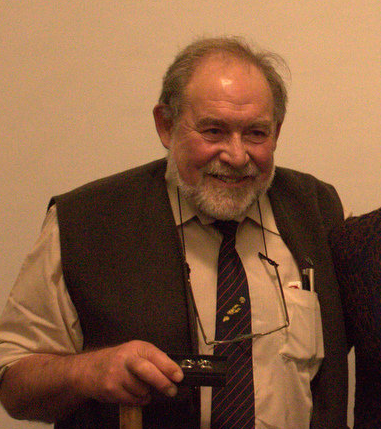
All of us at AquaTT are deeply saddened to learn of the passing of Dr John Mercer, former director and founding member of AquaTT, on 2nd June 2018.
John dedicated over 30 years of his life to aquaculture research at NUIG Galway, and we at AquaTT feel privileged to have worked alongside him.
He will be dearly missed by his family, friends and colleagues.
He is survived by his wife Phyllis, and his children Rachel, Melanie and Brian.
EURASTiP Exchange Programme Second Call Now Open - Apply Now

Receive up to €3000 to connect with aquaculture experts in Europe and South-East Asia
Maximise existing and new collaborations and strategic partnerships between Europe and south-east Asia in the aquaculture sector with the EURASTiP Exchange Programme. Opportunities are available for industry, researchers and educatorsfrom both regions to connect and gain new perspectives while sharing innovative ideas to help develop long term partnerships. Bursaries of up to €3000 are available per exchange (subject to eligibility criteria) to support international innovation and collaboration.
Deadline: 30 September 2018
More details and to apply: http://www.eurastip.eu/exchanges
Contact:
| Industry & Research Exchanges: | Educator Exchanges: |
|
Mieke Eggermont Ghent University, Belgium |
Marieke Reuver AquaTT, Ireland |
EURASTiP is an EU-funded H2020 project promoting multi-stakeholder contributions to international cooperation on sustainable solutions for aquaculture development in south-east Asia. For more details, see the project website: http://eurastip.eu/
BIOCON-CO2: Major New Project Aims to Convert CO2 Produced by Industry into Valuable Commodities

BIOCON-CO2, a new €7 million EU Horizon 2020-funded research project, has recently kicked-off with intentions of supporting EU leadership in carbon dioxide (CO2) re-use technologies. BIOCON-CO2 aims to re-use excess CO2 produced from the iron, steel, cement and electric power industries to create value-added chemicals and plastics. This will be achieved by developing a versatile range of conversion techniques using low-energy biological systems such as anaerobic microorganisms, aerobic microorganisms and enzymes to produce key chemical products including industrial acids and alcohols.
CO2 is a naturally occurring greenhouse gas present in the Earth’s atmosphere, trapping heat and contributing to global warming. While levels have fluctuated naturally over time, human activities have led to an exponential increase in levels of the greenhouse gas through actions such as the burning of fossil fuels for industrial production. Currently, CO2 re-use from industry via biological processes is one of the most promising and valuable technological methods to reduce otherwise harmful human-induced CO2 emissions. CO2 re-use converts CO2 produced by industry into a potentially valuable commodity as opposed to a contributing cause of global warming.
By capturing and using excess CO2 to produce commercially viable chemicals and plastics, the research not only aims to contribute to the reduction of EU dependency on fossil fuel resources, but also improve the energy efficiency of the chemical industry and provide support for EU leadership in CO2 re-use technologies. In this way, tackling the CO2 challenge provides possibilities for encouraging innovation and a more sustainable circular economy.
Technical coordinator Daniel Caudepón from LEITAT (Spain), which leads BIOCON-CO2, explained at the project kick-off meeting in Ghent (Belgium) in January 2018: “This is a very important and timely project, as solutions are needed to tackle the challenge of CO2 emissions within the iron and steel industries on a global scale. The combined expertise of leading researchers, scientific experts and industry partners from across Europe, as well as two industry partners from Chile and Israel, will allow BIOCON-CO2to lead by example and achieve the project’s ambitious goal of utilising CO2 as a commodity, in a way that can benefit both Europe’s economy and environment.”
To learn more about the BIOCON-CO2 project and its progress, or for any press queries, please contact Marieke Reuver, AquaTT Programme Manager (Email: BIOCON-CO2@aquatt.ie Tel: +353 1 644 9008).
European Researchers Develop New Sensors to Detect Toxins and Pharmaceutical Agents in Seafood
The European research project ECsafeSEAFOOD is currently developing innovative sensors to detect harmful toxins and pharmaceutical agents that can accumulate in seafood. ECsafeSEAFOOD is an EU-funded project that aims to assess and evaluate food safety issues related to contaminants of emerging concern present in seafood as a result of environmental contamination. These contaminants are substances that are toxic, persistent and liable to bio-accumulate; and other substances which give rise to an equivalent level of concern.
The project’s development of fast screening methods for targeted contaminants is almost concluded and sensors are already being developed for detecting contaminants such as chloramphenicol (an antibiotic useful for the treatment of a number of bacterial infections), azaspiracids (a group of marine algal toxins), tetrodotoxin (a potent neurotoxin) and sulphonamides (used in antibiotics and diuretics).
ECsafeSEAFOOD is also assessing the transfer of contaminants from the environment into seafood. Partners are quantifying contaminants in commercial species and assessing the effect of cooking procedures on the contaminants. Assessments have begun on the potential for contaminant substances to interact with (and be absorbed by) an organism as well as the degree to which the contaminants become available to the target tissue after ingestion.
 The project partners are developing content for an online tool for stakeholders that will balance the risks and benefits associated with seafood consumption, taking exposure to contaminants into consideration. The project will also produce seafood safety guidelines to help consumers to reduce or eliminate the risk of contaminated seafood.
“Close links with the Food Safety Authorities at national and European levels have already been established in order to ensure that these important entities are immediately informed about the outputs of the project,” explained Dr Antonio Marques, ECsafeSEAFOOD project coordinator.
Dr Marques was speaking at the project’s sixth partner meeting, held in Ghent, Belgium, from 23-24 June 2015. The meeting was attended by members of the ECsafeSEAFOOD consortium, comprising 17 partner organisations from nine countries.
“This meeting was extremely fruitful. All partners are deeply involved and active in all ongoing aspects of the project. The advances were significant, particularly given that wider accessibility to the contaminants database has now been made available to external entities upon request,” said Dr Marques.
The ECsafeSEAFOOD contaminants database collates all related literature on contaminants of emerging concern in seafood species and includes the project results. It focuses on unregulated contaminants that give rise to concern from an environmental and public health point of view (see notes for editors for more information on the database).
For press queries, please contact the project’s communications officer:
Tanja Calis, AquaTT (email: tanja@aquatt.ie Tel: +353 1 644 9008). www.ecsafeseafood.eu
ECsafeSEAFOOD Contaminants Database
The contaminants in question include brominated flame retardants, endocrine disruptors, toxic element species, pharmaceuticals and personal care products, perfluorinated compounds, microplastics and marine biotoxins, amongst others. This unique tool is useful for improving contaminant diagnostics and seafood risk assessment for food safety authorities and food diagnostic firms, as well as the seafood and aquaculture industries. It can also be used by policy makers to help inform policy and advisory guidelines and by funding authorities to highlight the deficits in seafood contaminant research.
To request access to the contaminants database, please email griet.vandermeersch@ilvo.vlaanderen.be introducing yourself and explaining the reasons why you want access.
 ECsafeSEAFOOD Stakeholder Workshop
The first ECsafeSEAFOOD stakeholder workshop was held as part of the seventh International Festival of Good, Clean & Fair Fish, at the Slow Fish 2015 event from 14-17 May 2015 in Genoa, Italy. This event gave ECsafeSEAFOOD partners the opportunity to meet with relevant stakeholders in the field of environment, fisheries, as well as consumers and academics. The consultation was the first step towards determining the optimal strategies for involving producers/processors in the project, and effectively communicating the project outputs in order to reduce public health risks from seafood consumption.
ECsafeSEAFOOD recently featured on the Euronews television series Futuris. To view the episode online, see: http://www.euronews.com/2015/06/15/is-seafood-still-safe-to-eat/

AquaTT seeking Communications Officer for immediate start

| Role | Science Communications Officer |
| Type | Full-time 24-month contract with potential for renewal. Initial six-month probation period. Position available immediately. |
| Location | Dublin city centre, Ireland |
| Application deadline | 20 August 2018, 17:30hrs CET |
| Application documents | A well-motivated application letter outlining why you feel you are a suitable candidate and possess the necessary skills and experience to fulfil the requirements of the role, together with a CV addressing our essential criteria, including three references, should be addressed to Laura Richardson, AquaTT HR Manager and sent electronically to: jobs@aquatt.ie |
ABOUT AQUATT
At AquaTT we believe that scientific research can, and should, enrich our lives and help deliver a sustainable future for humanity. We understand that, for this to happen, the results of this research must reach the relevant decision makers, policy creators, scientists, industry groups and the wider public, so we work with European funded scientific projects to help ensure that the new knowledge they generate is effectively transferred to create maximum positive impact. We use our skills to make a difference and help research benefit society.
With 25 years of experience, AquaTT has proven itself as an expert at managing European projects, with a strategic focus on knowledge management and transfer, dissemination and training. AquaTT operates extensively within the European scientific research arena and has demonstrated a track record in successfully pursuing, acquiring and managing a significant number of grants (across the FP7, H2020, Interreg and Lifelong Learning Programmes), enabling it to build a knowledge-based organisation with key networks among national and European stakeholders in the marine and other sectors.
AquaTT works with Europe’s top researchers for the entirety of each project’s life cycle, from project conception through to delivery, designing and carrying out projects that will have positive societal impact. AquaTT collaborates with over 250 institutions in more than 40 countries, operating in research domains such as Marine Science, Environment, Water, Health, Climate Change, Energy and Food. AquaTT’s policy has been to build an experienced and multidisciplinary team of experts from different backgrounds. Our team uses their collective expertise in scientific research, business, communications, training, teaching and industry to design and manage innovative activities tailored to the needs of each specific project. The company has an inventive and collaborative nature, where employees are valued and inspired as well as rewarded for their ideas and contributions. AquaTT’s people demonstrate personal behaviour that integrates and promotes strong values of trust, respect, transparency and fairness into the organisation’s practices.
DESCRIPTION OF POSITION
The Communications Officer will assist in the development and implementation of AquaTT’s internal and external communications strategies and delivery of roles in European funded scientific projects. The Communications Officer will play an integral role in supporting AquaTT’s Project Officers by disseminating the results and significance of these scientific projects to a diverse range of audiences and partners. This will include maintaining key communication channels as well as generating, proofing and editing content.
Specific Responsibilities:
- Work with and support AquaTT’s Project Officers to develop, copy-edit and proofread content for promotional material such as press releases, newsletters, leaflets, brochures, video, project websites, social media etc.
- Work in close collaboration with AquaTT’s graphic designers to develop promotional material.
- Manage and maintain the AquaTT website.
- Work with AquaTT's external clients on specific contracts, developing highly-visible reports and documents.
- Copy-edit and proofread communication-related material from AquaTT’s staff, such as project reports, deliverables and emails.
- Increase digital audience reach and awareness across social media platforms.
- Develop AquaTT’s monthly e-newsletter which includes writing, editing and proofreading articles, sourcing and formatting images, and overall responsibility for content, appearance and distribution.
- Contribute to arrangements for AquaTT events, such as the development, production and purchase of promotional materials by liaising with AquaTT suppliers e.g. printers.
- Disseminate developed promotional materials through AquaTT's online channels.
- Contribute to the development of AquaTT's internal knowledge management systems, including cataloguing and indexing materials and documentation.
- Participate actively and constructively in discussions within the AquaTT team, to initiate improvements and satisfy project implementation and budgetary objectives within agreed timeframes.
- Fulfil administrative requirements and other appropriate activities as requested by the Management team.
Internal and External Relationships:
- Collaborate with colleagues in the Communications team and Project Officers to ensure the consistency of internal and external messaging.
- Maintain regular contact with Project Officers to assess the level of communicationsrelated activities required for each project as well as identifying possible communication and dissemination opportunities that may present themselves.
- Represent the interests of AquaTT at public engagements, stakeholder meetings, conferences etc.
- Demonstrate optimistic, self-motivated and responsible work ethic and can-do attitude towards all responsibilities.
A description of AquaTT’s project portfolio is available on the company website (www.aquatt.ie/aquatt-projects).
REQUIRED SKILLS AND EXPERIENCE
Essential Criteria:
- Educated to degree level in a relevant area e.g. science communications/public relations/media/marketing/journalism.
- At least two years’ previous experience in a comparable role.
- Fluent written and spoken English.
- Ability to articulate, write effectively and produce content for a variety of platforms.
- Strong active interest in science/science communication/research.
- Excellent attention to detail, pro-active, diligent, willing to learn, dedicated and responsible.
- Must be highly organised, be able to work on several projects simultaneously, be able to prioritise and to utilise efficient time management skills.
- Outstanding and proven presentation and writing skills.
- Able to produce and copy-edit to a high standard within a high-pressure environment ensuring that material is accurate, easy to follow, fit for purpose and free from error, omission, inconsistency and repetition.
- Able to proofread to a high standard ensuring that final material is satisfactory, meeting requirements and upholding AquaTT’s reputation.
- Experience and proven ability in information management and communication through social media platforms e.g. Facebook, Twitter, LinkedIn, YouTube.
- Highly developed website management skills, proven ability to use Content Management Systems (e.g. Word Press or similar).
- Ability to work to strict deadlines in a fast-paced environment.
- Excellent interpersonal skills, ability to collaborate and work in a team in a multicultural environment.
- Capable of using own initiative to analyse and interpret information to identify key issues when solving problems. Knows when to consult with others to inform decision making.
- A team-player who is happy to go beyond their own responsibilities to help others at busy times.
Desired criteria:
- Desk-top publishing skills/Adobe software or similar.
- Knowledge and understanding of Irish and international media environment.
- Some knowledge of marine sciences and environmental issues or an interest in learning about these.
Candidates invited for final interviews will be asked to complete tasks to assess their ability to carry out the type of responsibilities involved in this role to a high standard.
REMUNERATION
The salary scale for this position ranges from €31,669 to €36,713. The starting point for the successful candidate will depend on experience and qualifications.
Conditions: Holiday entitlements are 20 working days per annum and an additional of 5 days of company holiday leave is given over the Christmas period. Internal and external training opportunities (relevant to the role) will be provided. Several extra benefits provided including pension option.Overtime may be required to meet deadlines as part of the contract. Some national and international travel may be required.
Overtime may be required to meet deadlines as part of the contract.
Win an iPad Mini at AQUA 2018 for best student poster!
An iPad Mini, books from Wiley Blackwell, Springer and 5M publishing and a certificate are all up for grabs at this year’s AQUA 2018, which takes place from 25-29 August in Montpellier, France. The prizes will be presented to the winner of the Lindsay Laird Student Award for Innovation in Aquaculture.

The award, now entering its 11th year, was established by AquaTT and AMC Ltd to recognise students who produce the best research poster in aquaculture and related fields. Winners to date have come from as far afield as Germany, Malta and Brazil. All student posters submitted for AQUA 2018 are eligible.
Lindsay Laird was a leading aquaculture academic who worked closely with the expanding aquaculture industry on various aspects of salmon production. Lindsay’s university teaching, research and industry leadership, all while raising a family with her husband Monty, meant that by the time of her early death in 2001 she had become a role model for many budding aquaculture researchers. The eponymous award was established in her honour.
More information on Lindsay and the award can be found here and don’t forget to drop by booth no. 128 at AQUA 2018, to say hello to the AquaTT staff!
For more information on AQUA 2018, click here.
INvertebrateIT connects aquaculture stakeholders to exploit invertebrate-based solutions for sustainable feed

The INvertebrateIT project is pleased to announce an open call to all stakeholders in aquaculture to collaborate with three forward-thinking small to medium-sized enterprises (SMEs) on several promising invertebrate-based feed solutions.
The SMEs were selected to receive support from INvertebrateIT as they showed high potential for addressing the sustainability of feed, a key challenge facing aquaculture. Through partnerships with leading industry stakeholders, it is hoped these innovative ideas can be transformed into market-ready products and offer a viable solution to these challenges.
Typical fish-based feeds are the single highest cost in aquaculture farming, and increasing demand, price volatility and impact on natural resources are limiting the industry’s growth and sustainability. For a growing global population eating more seafood than ever, other resources must be exploited. Increasingly, invertebrates such as flies, worms and small crustaceans are providing a sustainable and plentiful alternative to the resource-hungry raw materials that are otherwise commonly used. These invertebrates provide a rich source of essential proteins and oils that can provide the nutrients required for farmed fish.
INvertebrateIT is working to establish three Public-Private Partnerships (PPPs) in the EU Atlantic regions, involving interested stakeholders and the winning SMEs. These partnerships will accelerate the market viability of the products, while delivering on the environmental and societal needs set out by INvertebrateIT. Some ideas for partnerships could include:
- Technical workshops led by regional authorities, for invertebrate producers to transfer knowledge, engage local organisations and explore sustainable projects in coastal areas.
- Commercial and scientific collaboration between producers and public aquariums, to test new feeds and species and engage society.
- A school project encouraging invertebrate producers to visit schools in their area, to inspire careers and increase consumer support.
To make the most of these partnerships, INvertebrateIT welcomes the opinion of expert stakeholders on which challenges should be prioritised. Please click the link below to have your say:
- https://ec.europa.eu/eusurvey/runner/INvertebrateIT_PriorityActions
To find out more about INvertebrateIT or future PPPs, please email llg@innogatetoeurope.eu.
Sea for Society Blue Talks, Dublin

18:00-21:00, 14 July 2015
Paccar Theatre, Science Gallery, Dublin
Join the Sea for Society project for an evening of talks about and by people whose daily lives revolve around the ocean.
You’ll hear about surfers tackling pollution and riding Ireland’s biggest waves, a researcher exploring the depths of the ocean in search of new medicines and a seasoned marine science communicator bringing the seas to schools.
Sometimes we don’t realise how crucial our seas are to our daily lives and how our actions impact upon them. After hearing these stories, we hope you’ll be inspired to learn more, spread the word and take action to help protect our precious ocean life support system!
Sea for Society aims to bring about a shift in attitude and an increase in public awareness around the issue of maintaining a sustainable marine ecosystem. For more information, please visit the official project website www.seaforsociety.eu and our Irish blog www.seaforsociety-ireland.blogspot.ie. You can also follow our Twitter feed @SeaforSocietyIE to receive updates on our activities.
This event is FREE, thanks to EC FP7 funding, but registration is required. To register, please email SeaforSocietyBlueTalks@aquatt.ie
Speakers
Hugo Tagholm, CEO, Surfers Against Sewage
Surfers Against Sewage: Waves, Environment, Community
Hugo has been Chief Executive of Surfers Against Sewage (SAS) since 2008. SAS was formed in 1990 in Cornwall by a group of surfers who were fed up of the regular sewage slicks and sanitary debris at local surf spots.
Keith Duggan, Author of Cliffs of Insanity & Chief Sports Writer, The Irish Times
Writing Cliffs of Insanity – A Winter on Ireland’s Big Waves
Keith is an award-winning senior sportswriter with The Irish Times. His book, Cliffs of Insanity tells the story of a dedicated group of surfers in County Clare whose lives revolve around the pursuit of Ireland’s wildest waves.
Dr Margaret Rae, Researcher, Marine Institute and NUI Galway
Marine Biodiscovery
Margaret is a researcher in the Beaufort Marine Biodiscovery Programme, examining marine organisms harvested from the Irish coast and deep-sea territories in search of species with biological characteristics that may have medicinal uses and medical device applications.
Dr John Joyce, Sea for Society Ireland Area Leader, AquaTT
Designing Ocean Literacy Programmes that Work
John is a professional science communicator, published author and cartoonist with a background in marine science. He is currently the Irish Area Leader for the Sea for Society project. John has published four children’s books and five novels.
Hugh O’Brien Moran, Irish Surf Association Photographer & former Irish Surf Champion
Fifty years of Surfing – the evolution of surf culture in Ireland
Hugh is a surf instructor and professional photographer based in Tramore, Co. Waterford. He took up surfing in 1965 at the age of fourteen. He has won the Irish national championships five times and come second in the European masters surfing championships, as well as acting as tutor to Ireland’s national teams.
Fourteenth AQUAEXCEL2020 Call for Access Now Open: Fully EC-Funded Access to Top-Class Aquaculture Research Infrastructures Across Europe

Press release: April 2019
The fourteenth AQUAEXCEL2020(AQUAculture infrastructures for EXCELlence in European fish research towards 2020) Call for Access is now open, with a deadline of 7 June 2019.
On a regular basis the AQUAEXCEL2020project invites proposals, from European research groups, for scientific research that could benefit from the use of the facilities of any of the participating aquaculture research infrastructures. The AQUAEXCEL2020project unites major aquaculture experimental facilities that have the capacity to undertake experimental trials on a selection of commercially important aquaculture fish species and system types. These installations are made available to the research community for Transnational Access (TNA) with the support of the European Union’s Horizon 2020 Research and Innovation Programme.
TNA involves a research group in one country collaborating with one or more AQUAEXCEL2020infrastructures that are located in a different country to the applicant, and which offer facilities and expertise not available in their own country.
The available facilities cover a range of aquaculture production systems (cage, recirculation, flowthrough, hatchery and disease challenge); environments (freshwater, marine and cold, temperate and warm water); production scales (small, medium and large industrial); fish species (salmonids, cold and warm water marine fish, freshwater fish and artemia); and fields of expertise (nutrition, physiology, health and welfare, genetics, engineering and monitoring and management technologies).
Interested researchers can propose projects that involve visits of one or two people to the chosen research infrastructure for a period of up to three months. Access to the research infrastructures and associated travel and subsistence expenses will be covered by AQUAEXCEL2020. The establishment of new transnational collaborations is strongly encouraged, as well as the participation of SMEs.
For more information on Transnational Access and how to apply please visit: www.aquaexcel2020.eu/transnational-access/call-access
AQUAEXCEL2020: from Research Innovation to Industry Application
Press Release: September 2019
AQUAEXCEL2020 is a leading aquaculture research project funded by the European Union Horizon 2020 programme, which integrates leading European aquaculture research facilities and enables them to work together to support the sustainable growth of the aquaculture sector in Europe. The innovative research carried out within the project’s framework is focused on producing industry-applicable outputs and bringing the aquaculture sector in Europe to a new level.
The latest industry-relevant outputs from the project will be presented and discussed at the upcoming AQUAEXCEL2020 industry brokerage event, taking place on the 9th of October 2019 (15:40hrs – 18:00hrs), as part of the EU EATiP Day at the Aquaculture Europe 2019 conference in Berlin.This forum for engagement and exchange will be hosted by the European Aquaculture Technology and Innovation Platform (EATiP) and AquaTT, both partners in AQUAEXCEL2020.
Supporting research innovation to industry application is key to AQUAEXCEL2020, and involves maintaining active engagement between researchers and aquaculture industry stakeholders. This brokerage event provides an excellent opportunity to share with aquaculture industry stakeholders some of the many innovative outputs emerging directly from the varied research within the AQUAEXCEL2020 project, and also through its Transnational Access (TNA) programme. The TNA programme funds access to 39 top aquaculture research facilities across Europe, offering researchers the possibility to undertake experimental trials on commercially important aquaculture fish species and system types.
The industry brokerage event will include pitches of several knowledge outputs of high potential for the European aquaculture industry. The outputs to be presented were selected by the AQUAEXCEL2020 Industry and Research Advisory Panel (IRAP) which comprises high-level professionals from the aquaculture industry and research sectors.
The schedule will include a presentation from Dr. Jovanka Lukic on the effects of Lactic Acid Bacteria applied either through live feed or commercial dry feed, on growth and microflora of larval pike perch. Also presenting on the rapidly evolving area of fish feed will be Ana Basto, who will discuss outcomes of research on European seabass fed by the mealworm Tenebrio molitor. The principal aim of this research was to assess the use of large quantities of insects as protein sources to replace fishmeal in diets for sea bass, and to examine possible effects on their growth and welfare. Insect-meal replacements are a popular research topic, and Dr. Stavros Chatzifotis will highlight their findings looking at three different types of insect meal replacements.
Along with fish nutrition there will be various other aquaculture research areas covered. Dr. Josep Calduch-Giner will present a protocol for early life management for optimal fish performance, highlighting surprising findings in relation to low O2 (hypoxic) conditions at early life stages of gilthead sea bream and its impact later in life. In terms of fish disease, Dr. Carla Piazzon will present on gene expression analysis of Atlantic salmon gills and how it reveals certain key molecules during amoebic gill disease, one of the main health challenges for the marine Atlantic salmon industry worldwide. It is expected that the findings could contribute to a more timely and accurate detection of the disease which will prevent stock losses and improve fish welfare. Please visit the project website for a full list of topics which will be covered at the event.
In addition to the high potential knowledge outputs, innovative findings and developments from the AQUAEXCEL2020 project will be presented, one of which is AE-FishBIT. This tiny device is designed to be attached to the operculum of farmed fish for individual monitoring of their metabolic traits. The newly patented tool is the result of collaboration amongst biologists, engineers and bioinformaticians from two AQUAEXCEL2020 institutes. The makers are now looking for collaborators to manufacture the product and /or license the patent to bring the device to market.
The next and final AQUAEXCEL2020 industry brokerage event will be held at next year’s Aquaculture Europe 2020 event in Cork (Ireland), presenting the latest high-potential industry-relevant outputs that will be resulting from the final year of the project.
To find out more about the recent research findings from AQUAEXCEL2020 and their applicability to industry, please visit the project’s website: www.aquaexcel2020.eu
Notes for editors
AQUAEXCEL2020 is a research and innovation action funded under the European Union’s Framework Programme for Research and Innovation, Horizon 2020. The project runs for five years from 2015 to 2020, with a total budget of €9.7 million funded by the EU.
The AQUAEXCEL2020 consortium includes 22 partner organisations offering access to 39 top level aquaculture facilities in 12 European countries. The project is coordinated by the Institut National de la Recherche Agronomique (INRA) in France. AquaTT (Ireland) is the project dissemination partner.
The annual Aquaculture Europe event will be held this year in Berlin, Germany, 7-10 October 2019. With a theme of ‘Our Future: Growing from Water’, it will recognise how the aquaculture sector nourishes and stimulates life in water in all its ways, and thereby holds the potential to overcome many of the challenges our society faces. For more information regarding the AE2019 event, please visit: https://www.aquaeas.eu/uncategorised/402-welcome-to-aquaculture-europe-2019
Scientific Contact
Dr. Marc Vandeputte (INRA, France): Marc.Vandeputte@inra.fr
IRAP Contact
Catherine Pons (EATiP, Belgium): Catherine@eatip.eu
Press & Communication Contact
Rebecca Doyle (AquaTT, Ireland): Rebecca@aquatt.ie
Win an iPad at AQUA 2019 for best student poster!
An iPad, books from Wiley Blackwell, Springer and 5M publishing are all up for grabs at this year’s Aquaculture Europe Conference, which takes place from 7-10 October in Berlin, Germany. The prizes will be presented to the winner of the Lindsay Laird Student Award for Innovation in Aquaculture.

The award, now entering its 12th year, was established by AquaTT and AMC Ltd to recognise students who produce the best research poster in aquaculture and related fields. Winners to date have come from as far afield as Germany, Malta and Brazil. All student posters submitted for AQUA 2019 are eligible.
Lindsay Laird was a leading aquaculture academic who worked closely with the expanding aquaculture industry on various aspects of salmon production. Lindsay’s university teaching, research and industry leadership, all while raising a family with her husband Monty, meant that by the time of her early death in 2001 she had become a role model for many budding aquaculture researchers. The eponymous award was established in her honour.
AquaTT and AMC are delighted to announce that this year's award will be presented by Lindsay's daughter Dr Camilla Priede, herself a lecturer at Sheffield University.
More information on Lindsay and the award can be found here and don’t forget to drop by booth no. 33 at AQUA 2019, to say hello to the AquaTT staff!
AquaTT have a big presence at this year's event, with our team represented at brokerage events, forums and workshops. Find us at the following events:
| PerformFISH / medAID Industry Forum: Sustainable Solutions to Address Sea Bass and Sea Bream Farming Challenges in the Mediterranean | Tuesday 8 October 14:00 - 17:00, Exhibition 2 |
| ParaFishControl Workshop: North European Fish Parasite Management Strategies in Aquaculture Farms | Wednesday 9 October 9:00 - 17:00, Backstage 2 |
| AQUAEXCEL2020 Brokerage Event 2019: From Research Innovation to Industry Application | Wednesday 9 October 15:40 - 18:00, Exhibition 2 |
| Lindsay Laird Award Presentation | Thursday 10 October 12:30 - 12:50, after Plenary 3 |
| Education, Knowledge Management, Transfer & Extension Networks | Thursday 10 October 14:30 - 16:30, Room 4 |
For more information on AQUA 2019, click here.
AquaTT seeking Communications Officer for immediate start

| Role | Science Communications Officer |
| Type | Full-time 24-month contract with potential for renewal. Initial six-month probation period. Position available immediately. |
| Location | Dublin city centre, Ireland |
| Application deadline | 18 October 2019, 17:30hrs CET |
| Application documents |
The following documents should be addressed to Laura Richardson, AquaTT HR Manager and sent electronically to: jobs@aquatt.ie A well-motivated application letter outlining why you feel you are a suitable candidate and possess the necessary skills and experience to fulfil the requirements of the role. A CV addressing our essential criteria, including three references. Candidates are invited to send examples of their work but this is not obligatory. |
ABOUT AQUATT Over the past 27 years, AquaTT has proven itself as an expert at managing European projects. With a strategic focus on knowledge management and transfer, dissemination and training, we use our skills to make a difference and help research benefit society in areas such as Marine Science, Environment, Water, Health, Climate Change, Energy and Food. AquaTT has a track record in successfully pursuing, acquiring and managing a significant number of grants (across the main European Union Funding Programmes such as FP7, H2020, Interreg and Erasmus+), enabling it to build a knowledge-based organisation with key networks among national and European stakeholders. The company has an inventive and collaborative nature, where employees are valued and inspired as well as rewarded for their ideas and contributions. A description of AquaTT and its project portfolio is available on the company website (www.aquatt.ie).
DESCRIPTION OF POSITION
The Communications Officer will play an integral role in supporting AquaTT’s Project Officers who work on European funded scientific projects. Each project is contracted to carry out a number of communication activities within set timeframes and budgets. AquaTT currently have a portfolio of 15 open projects and the successful candidate will provide assistance, in a communications role, across all projects. Specific Responsibilities (but not limited to):
- Work with and support AquaTT’s Project Officers to develop, copy-edit and proofread content for promotional material such as press releases, newsletters, leaflets, brochures, video, project websites, social media etc.
- Assist Project Officers to develop media stories to promote the work of their projects through various channels.
- Work in close collaboration with AquaTT’s graphic designers and print suppliers to develop promotional material.
- Carry out quality control checks on all promotional material.
- Disseminate developed promotional materials through AquaTT's online channels.
- Manage and maintain the AquaTT website and social media accounts, increasing digital audience reach and awareness.
- Copy-edit and proofread other material from AquaTT’s staff, such as highly visible reports for business development clients.
- Assist with event management for AquaTT events e.g. booking venues, liaising with suppliers etc.
- Fulfil administrative requirements and other appropriate activities as requested by the Management team.
REQUIRED SKILLS AND EXPERIENCE
Essential Criteria:
- EEA work authorisation
- Educated to diploma/degree level in a relevant area e.g. science communications/public relations/media/marketing/journalism. Candidates with relevant work experience in lieu of qualifications may also be considered.
- At least two years’ previous experience in a comparable role.
- Fluent written and spoken English.
- Ability to write effective press releases and articles for national/international/specialist media.
- Excellent writing skills and ability to produce high-quality content for a variety of platforms.
- Strong active interest in science/science communication/research.
- Excellent attention to detail, pro-active, diligent, willing to learn, dedicated and responsible.
- Must be highly organised, be able to work on several projects simultaneously, be able to prioritise and to utilise efficient time management skills.
- Able to copy-edit and proofread to a high standard.
- Experience in information management and communication through social media platforms e.g. Facebook, Twitter, LinkedIn, YouTube.
- Excellent interpersonal skills, ability to collaborate and work in a team in a multicultural environment.
- Highly developed website management skills, proven ability to use Content Management Systems (e.g. Word Press or similar).
- Ability to work to strict deadlines in a fast-paced environment.
- Excellent interpersonal skills, ability to collaborate and work in a team in a multicultural environment.
Desired criteria:
- Desktop publishing skills/Adobe software or similar.
- Website management skills and ability to use Content Management Systems (e.g. Word Press or similar).
- Knowledge and understanding of Irish and international media environment.
- Some knowledge of marine sciences and environmental issues or an interest in learning about these.
Candidates invited for final interviews will be asked to complete tasks to assess their ability to carry out the type of responsibilities involved in this role to a high standard.
REMUNERATION
salary will depend on experience and qualifications.
Conditions: Holiday entitlements are 20 working days per annum and an additional of 5 days of company holiday leave is given over the Christmas period. Internal and external training opportunities (relevant to the role) will be provided. Several extra benefits provided including pension option.
The position will require flexibility in relation to working hours as overtime may be required to meet deadlines as part of the contract. Some national and international travel may be required.
New research project to drive decarbonisation of energy usage in Europe’s buildings

Press release: 6 December 2019
Decarbonising energy consumption in buildings is essential to achieve EU energy and climate goals. While the use of renewable electricity in buildings has grown steadily the uptake of renewable energy solutions for heating and cooling has been slower. The EU Horizon 2020 funded RES4BUILD project will address this challenge by developing integrated renewable energy-based solutions that are tailored to the needs and requirements of users and installers.
The consortium’s multidisciplinary experts will work to improve the performance and reduce the cost of the most innovative components of the RES4BUILD solutions – by integrating PV/T collectors, magnetocaloric heat pumps, and a multi-source heat pump which are optimised through advanced control for increased performance in building systems. The various RES4BUILD solutions will be tested and validated in different climates with a thorough life cycle assessment, paving the way for bringing the developed solutions to the market and ensuring wide adoption.
Much progress was already shown at the second RES4BUILD General Assembly which took place from 20-21 November 2019 in Vries, the Netherlands. Project partners JIN organised the meeting at one of the case study sites operated by Visio, who provide housing and day-care to clients with visual impairments. The project will feature a co-design process with stakeholders such as Visio. This will enable developers, service providers and end-users to ensure that resulting integrated energy systems meet the needs of the clients. Further case studies will take place across a range of suitable sites across Poland and the Netherlands, including multi-family buildings, primary schools, industrial buildings, home-owner associations and a shopping mall.
The project aims to deliver solutions that reduce our dependence on fossil fuels for electricity, heating and cooling in buildings. Through its work, RES4BUILD will devise a best practice approach to renovations of energy systems in a more integrated and systematic way, resulting in more efficient operation and optimised interaction with the grid, and thus a lower energy bill for European consumers. The co-design approach will assist with social inclusion and ultimately contribute to an accelerated energy transition.
RES4BUILD have joined forces with eight other H2020 projects working in the field of renewable energy technologies in buildings and have formed a cluster called “Building Energy Horizons” to collectively benefit from collaborative activities at technical and dissemination levels. For more information on the BE Horizons cluster, please see: res4build.eu/about/be-horizons
For more information on the project, please visit the newly launched project website at res4build.eu or follow the project on Twitter @RES4BUILD.

RES4BUILD partners at the second General Assembly
Community based social marketing online workshops: call for expressions of interest

The response to the current Covid-19 emergency has demonstrated the power and impact of collective behavioural change. Now more than ever, Ireland needs to harness the power of sustainable, healthy behavioural change to strengthen and re-build our communities.
AquaTT is partnering with renowned Environmental Psychologist, Dr Doug McKenzie-Mohr to organise online workshops which will be specifically adapted to supporting sustainable change in Ireland. Dr McKenzie-Mohr is the founder of community-based social marketing: an effective approach for the design and delivery of programs that foster sustainable behavioural change.
We are currently engaging with stakeholders to identify if there would be sufficient interest in hosting workshops this summer (June or July). At this stage, we are looking for expressions of interest from individuals or organisations who would like to participate.
We are planning to offer two workshops, Introductory and Advanced:
The Introductory workshop is targeted at those who design or fund programmes that encourage individuals or organisations to engage in sustainable or healthy behaviours. These include those working in initiatives for waste reduction, water and energy efficiency, watershed protection, pollution prevention, conservation, and transport changes, in addition to environmental education professionals and public health professionals.
The Advanced workshop is open to people who have already completed the introductory workshop (either in 2019 or in this new, 2020 offering). It provides an in-depth exploration of how community-based social marketing can be used to foster behavioural changes and provides attendees the opportunity to apply this approach to their own initiatives. The advanced workshop will be hands on with breakout session for participants with common interests.
Each workshop will be held online, with three or four afternoon sessions spread over one week. All participants will receive an e-copy of Doug’s book, Fostering Sustainable Behavior.
The first 20 participants/organisations to register for each workshop will receive a personal, 1:1 follow up mentoring session with Doug to discuss how to apply community based social marketing to their specific programme.
For organisations that block-book places on the course, Doug is also offering an executive briefing session, which he has found to be very useful for people looking to secure internal support for the roll-out of behaviour change campaigns.
Participation costs per person will be dependent on the number of participants. If there is a sufficient level of interest, we hope that we can provide a reduced rate for all participants. Further discounts will be provided for group bookings.
We hope that you will avail of this unique opportunity to learn techniques that will help to create a more sustainable, healthy Ireland. We would be grateful if you could please share this opportunity amongst your colleagues and please let us know if you or anyone in your network would be interested in joining one or both of the workshops.
If you have any suggestions or questions, please do not hesitate to contact Sive Finlay, AquaTT Communications Manager, sive@aquatt.ie
Seaweed extract found to have promising effects in brain cancer treatment
A compound found in brown seaweeds could help to treat one of the most common and aggressive forms of malignant brain tumour.
The compound’s promising effects were discovered by researchers in the EU-funded project GENIALG (GENetic diversity exploitation for Innovative macro-ALGal biorefinery). Thefucoxanthin compound is a type of carotenoid pigment found in brown seaweeds, such as Saccharina latissima. Also known as sugar kelp, the seaweed is cultivated in Europe and is available commercially. Fucoxanthin is a bioactive compound previously found to have numerous health benefits including antioxidant, anticancer and anti-obesity effects.
GENIALG project partners IOTA Pharmaceuticals, a UK-based oncology SME, and the University of York (UK) collaborated with the University of Cambridge (UK) to further our knowledge of fucoxanthin in this multi-million euro project.
Dr David Bailey, Director of IOTA Pharmaceuticals explained “We found that fucoxanthin not only inhibits cancer cell growth by itself, but also improves the effectiveness of certain (antiproliferative) pharmaceutical drugs. This means that treatment of human brain cancer cells with a combination of pharmaceutical drugs and a natural product extracted from seaweed could provide a new, more effective treatment option in targeting this challenging disease in certain contexts”.
The compound could provide an effective treatment against glioblastoma multiforme (GBM), the most common and aggressive form of malignant brain tumour, with an annual incidence of three to four cases per 100,000 people in Europe. Even though knowledge of its genetic causes is improving, it remains an incurable disease, with patients having an average survival rate of 12 months after diagnosis. Part of the poor prognosis is due to tumour heterogeneity: different parts of the tumour have different characteristics, so tend to respond differently to treatment. As a result, a single treatment may kill some of the cancerous cells, while others continue to grow. Therefore, it is important to find and develop combination therapies that can tackle all parts of the tumour.
IOTA Pharmaceuticals specialises in GBM drug discovery, using novel tools and technologies to address this challenging disease. Within the GENIALG project, IOTA Pharmaceuticals are studying the possible pharmaceutical application of natural products from brown seaweed as anticancer agents. Recent results have now been published in PLOS ONE.
Dr Bailey further explained: “We have observed that not all pharmaceutical drug and natural product combinations are synergistic, possibly due to cell-specific mechanisms. This observation supports the idea that specific drug and natural product combinations might be more effective in certain disease contexts. Interestingly, we have also observed that fucoxanthin appears much more effective as an anticancer agent than other carotenoids, suggesting that there are structural features of fucoxanthin beyond its carotenoid nature that are important for its therapeutic effects. Exactly what these are remains to be determined.”
Brown seaweed is one of the target species in GENIALG, an industry-driven project focusing on seaweed, or “macroalgae”, as a valuable source of diverse bioactive compounds that have great potential to be used in pharmaceuticals, nutraceuticals and functional foods. Pioneering companies in large-scale integrated European biorefineries and experts in seaweed cultivation, genetics and metabolomics are working closely together to boost the seaweed industry in Europe.
All GENIALG results and ongoing work, including that on fucoxanthin, will be presented at the GENIALG Final Conference, which will be held online on Monday 30 November 2020.
This is a free event and open to all interested participants. Please register here before Sunday 29 November 2020. For more project details and updates please visit the GENIALG website.
Sugar kelp (Saccharina latissimia) cultivated by GENIALG partner, Seaweed Energy Solutions (SES). Image credit: SES.
Notes to Editors
Publication Reference:
Pruteanu, L.-L., Kopanitsa, L., Módos, D., Kletnieks, E., Samarova, E., Bender, A., Gomez, L. D., & Bailey, D. S. (2020). Transcriptomics predicts compound synergy in drug and natural product treated glioblastoma cells. PLOS ONE, 15(9), e0239551. https://doi.org/10.1371/journal.pone.0239551
For more information on the study, please contact:
Dr David Bailey, Director of IOTA Pharmaceuticals Ltd, +44 7769 658 734, david.bailey@iotapharma.com, http://www.iotapharma.com/.
GENIALG (“GENetic diversity exploitation for Innovative macro-ALGal biorefinery”) is an innovation action funded under the European Union’s Framework Programme for Research and Innovation, Horizon 2020, Grant No 727892.
GENIALG is the first industry-driven project bringing together pioneering companies in large-scale integrated European biorefineries and experts in seaweed cultivation, genetics and metabolomics to boost the seaweed industry. The four-year project was launched in January 2017 and has a total budget of €12.2 million. Led byCentre National de la Recherche Scientifique (CNRS) in France. GENIALG brings together 19 partners from six European countries. AquaTT (Ireland) is the project communication and dissemination partner.
More information on the GENIALG project:
GENIALG website: www.genialgproject.eu.
Subscribe to GENIALG News: http://eepurl.com/dO8FH5
Follow us on Twitter: @GENIALG_EU and Facebook: @GENIALGproject
Contact us:
Project Coordinator: Philippe Potin (potin@sb-roscoff.fr)
Project Manager: Kevin Cascella (kevin.cascella@sb-roscoff.fr)
For communication and press queries, please contact Avril Hanbidge, GENIALG Project Officer, AquaTT (avril@aquatt.ie).
Tapping the Source of Marine Biotechnological Potential – The Research Project Coordinators’ Viewpoints

Three leading European projects have collaborated to produce a new marine microbes research update that explores the cross-over between the projects’ respective objectives as they seek to exploit the virtually untapped resource of marine microorganisms, which account for 98% of ocean biomass. The update features an insightful and candid knowledge exchange between the coordinators of the three projects, Frank Oliver Glöckner (Micro B3), Lucas Stal (MaCuMBA) and Marcel Jaspars (PharmaSea).
 Micro B3 (Marine Microbial Biodiversity, Bioinformatics and Biotechnology) is working to improve Europe’s capacity for bioinformatics and marine microbial data integration. MaCuMBA (Marine Microorganisms: Cultivation, Methods for Improving their Biotechnological Application) isolates and cultivates a wide range of microbial strains in the laboratory, which are then screened for bioactive compounds. PharmaSea (Exploring the Hidden Potential: Novel Bioactive Compounds) develops and commercialises bioactive compounds from marine organisms, and evaluates their potential as novel drug leads.
Micro B3’s Frank Oliver Glöckner outlined the importance of collaboration and the connection the three projects have: “There needs to be some overlap, it is good to have these relationships. Micro B3 is focused on marine biodiversity and metageneomics, by collecting DNA from the environment, MaCuMBA is doing the cultivation and PharmaSea is ready for the application. We can learn a lot from each other.”
Lucas Stal of MaCuMBA welcomed the recent advances that have been made in marine microbiology but voiced concerns that our understanding of the area has not accelerated quickly enough: “There have been so many developments that have revealed a huge amount of information that is still being explored. We have seen new nitrogen fixers that basically put the whole nitrogen cycle upside down again. On the other hand, I bought [Claude Ephraim] ZoBell’s original book on Marine Microbiology and reading that book you see our understanding of the system has not evolved since ZoBell wrote this book in 1946.”
Marcel Jaspars from PharmaSea discusses the integral role of industry partners in the projects: “I think that having industry involved at all stages of the pipeline really helps. There are companies who were not necessarily working in the marine environment beforehand who are now convinced that there is something to be done and something of value to be gained by working in the marine and on these bigger projects.”
The Marine Microbes Research Update also features specific updates for each project, as well as an overview of the Marine Micr’omics for Biotech Applications workshop, which took place in March.
The newsletter is available to download HERE.
Notes for Editors
 Micro B3 (Marine Microbial Biodiversity, Bioinformatics and Biotechnology) is led by the Jacobs University Bremen, Germany and is a joint venture of 32 partners from 15 countries, three international organisations; one large private company and six SMEs. Micro B3 is leading to a better understanding of the marine ecosystem and their genomic background, paving the way to novel biotechnological applications.
For more information about Micro B3, please visit: www.microb3.eu. The Environmental & Marine Project Management Agency is the communication and dissemination partner for the project. For more information, please contact Johanna Wesnigk, email: j.wesnigk@empa-bremen.de
 MaCuMBA (Marine Microorganisms: Cultivation, Methods for Improving their Biotechnological Application) is coordinated by the Royal Netherlands Institute for Sea Research (NIOZ) and is a joint venture of 23 partner institutions from 11 EU countries. MaCuMBA aims to improve the isolation rate and growth efficiency of marine microorganisms.
For more information about MaCuMBA, please visit: www.macumbaproject.eu. AquaTT is the communication and dissemination partner for the project. For more information, please contact Marieke Reuver, email: marieke@aquatt.ie
 PharmaSea (Exploring the Hidden Potential: Novel Bioactive Compounds) is coordinated by the University of Leuven, Belgium and the Marine Biodiscovery Centre at the University of Aberdeen, United Kingdom and is a joint venture of 24 partners from 15 countries. PharmaSea focuses on the development and commercialisation of new bioactive compounds from marine organisms.
For more information about PharmaSea, please visit: www.pharma-sea.eu. BIOCOM AG is the communication and dissemination partner from the project. For more information, please contact Annette Langbehn, email: press@pharma-sea.eu
Richard Fitzgerald Award 2022

The 2022 winner of the Richard Fitzgerald Memorial Prize for the Best Aquatic Poster has been announced.
Congratulations to Damir Akhmetshin, from SETU Carlow (formerly IT Carlow) for his poster presentation "Unmanned aerial vehicles for mapping seaweed: RGB and multispectral sensors"
Damir presented at Environ 2022, the 32nd Irish Environmental Researchers Colloquium co-hosted by ESAI and Ulster University and held in Ulster University Belfast Campus on 20th-22nd June 2022. The conference theme was ‘Unlocking Sustainability’ and over 120 oral and poster presentations were delivered over the three day event.
The prize is awarded annually at the ESAI Environ conference in memory of one of AquaTT's founding fathers and esteemed figure in Irish aquaculture research and development, Richard Fitzgerald.
Damir received a prize proudly sponsored by AquaTT for his poster.
In Memoriam: Margaret Eleftheriou

We share the sad news of the death of a former AquaTT director and dear friend, Margaret Eleftheriou.
Margaret was a remarkable and indomitable woman, known for her unstoppable spirit and dedication. We had the privilege to collaborate on many projects and initiatives over the years, most notably on education in the aquaculture sector, something she was very passionate about.
Even after her retirement, she remained in contact with us and enjoyed hearing about our activities and achievements. She has been immensely supportive of us and our team and her presence and guidance have left a lasting impact. Margaret was an inspiration to many of us within the AquaTT and ERINN family and we will continue to be inspired by her.
Her funeral took place on Saturday, October 26, in Crete. While we mourn her loss, we also celebrate the incredible life she led and the numerous contributions she made to our team and community, and the kindness of her friendship.
We’re sharing a few words from her favourite poem, Ithaka, by the renowned Greek poet Cavafy. She shared it with us several times over the years, and we believe it truly reflects her deep gratitude for the journey of life she so cherished.
-----
As you set out for Ithaka
hope your road is a long one,
full of adventure, full of discovery….
Hope your road is a long one.
May there be many summer mornings when,
with what pleasure, what joy,
you enter harbours you’re seeing for the first time;
But don’t hurry the journey at all.
Better if it lasts for years,
so you’re old by the time you reach the island,
wealthy with all you’ve gained on the way,
not expecting Ithaka to make you rich.
Ithaka gave you the marvellous journey.
Without her you wouldn't have set out.
-----
We share the official notification with you below. RIP Margaret

Passing of Dr. Paul Connolly, our former AquaTT Director
It is with deep sadness that we share the news of the passing of Dr. Paul Connolly, who served as a valued member of the AquaTT Board of Directors from March 2016 to February 2020.
During his tenure, Paul played an instrumental role in shaping the future of our organisation. He was a key contributor to the development of our strategy, which led to the successful establishment of ERINN Innovation. His involvement reflected his commitment to building strong foundations for growth and collaboration. Paul brought a thoughtful and structured approach to governance, championing clarity and risk awareness in decision-making. His contributions helped strengthen our processes and laid the groundwork for many of the practices we continue to uphold today.
We are grateful for his dedication and leadership, and his legacy remains an important part of our story. Our thoughts are with his family and loved ones during this difficult time.
You can read the official death notice here: Death Notice of Dr. Paul Connolly (Kinvara, Galway) | rip.ie

Successfully Integrating Research Infrastructures to Support European Aquaculture

The fourth and final publication in a series of booklets outlining the accomplishments of the EC-funded AQUAEXCEL (Aquaculture infrastructures for excellence in European fish research) project is now available to download from www.aquaexcel.eu.
 The AQUAEXCEL Key Achievements booklet series outlines the significant activities and results of the project as it aimed to integrate key aquaculture Research Infrastructures across Europe in order to promote their coordinated use and development. AQUAEXCEL officially ended in February 2015. The project’s focus was on further improving the efficiency of aquaculture production and supporting European research activities in this area.
Key AQUAEXCEL outputs that are highlighted in the Key Achievements 2014-2015 booklet include: details of the development, implementation and evaluation of technical solutions for providing remote access to highly specialised aquaculture research facilities; an inventory of aquaculture Research Infrastructure gaps in Europe; a report on the effect of biofilter scale on Total Ammonia Nitrogen (TAN) removal rate in closed aquaculture systems; and research into how reproductive hormone concentrations in the blood can be used as prospective candidate markers of maturation in male trout and in sea bass.
Over the course of the project, AQUAEXCEL regularly invited proposals from European research groups for scientific research that utilised the facilities of the participating aquaculture Research Infrastructures as part of its Transnational Access programme. This edition of the booklet features a special section which gives an overview of interesting statistics regarding the programme.
Results of research carried out under the Transnational Access programme are also highlighted in the booklet and include novel findings on: the effect of both male and female parental nutrition on the development of seahorse embryos; techniques for 3D monitoring of fish behaviour; and the effect of dietary arginine supplementation on the European sea bass immune response against vibriosis.
AQUAEXCEL Project Coordinator, Marc Vandeputte, said: “For us, AQUAEXCEL has been a successful experience, and we hope it will have a lasting impact on the EU aquaculture sector. Our team has developed an integrated approach to link and coordinate key Research Infrastructures in Europe in order to harmonise access, joint research, and networking. To build on this success, an enlarged AQUAEXCEL consortium has submitted a new project, AQUAEXCEL2020, to the EC. We look forward to continuing this aquaculture challenge towards 2020.”
All four booklets in the AQUAEXCEL Key Achievements series are available to download from www.aquaexcel.eu.
For press queries, please contact: Marieke Reuver, Programme Manager, AquaTT, Dublin, Ireland, email: marieke@aquatt.ie, web: www.aquatt.ie
New Publication: Technical Guide to Aquaculture Feed Ingredients
A new resource for aquaculture feed producers, entitled Feed Ingredients in Aquaculture, has been published by the EU-funded ARRAINA (Advanced Research Initiatives for Nutrition & Aquaculture) project.
The booklet has been designed to allow feed producers to understand at a glance the different properties of specific feed ingredients for aquaculture. It provides a database of aquaculture feed ingredients covering their nutrient composition, functional properties and effects on feed processing conditions and the physical quality of extruded pellets.
Feed Ingredients in Aquaculture is the first of three technical booklets which will illustrate the developments arising from the ARRAINA project and facilitate access to its research. The aim is to make these booklets widely available in order to raise awareness of the science based knowledge supporting the development of high-quality, safe and environmentally sustainable aquaculture feeds.
This booklet is specifically aimed at aquaculture feed producers, but also targets other industrial sectors (e.g. fish farmers, feed additives companies, retailers) and individuals interested in gaining further knowledge on the raw materials that are currently used in the feeds of farmed fish.
Two further technical booklets will be produced within the timeframe of the project. The second of the series will focus on the nutrient requirements of Atlantic salmon, rainbow trout, carp, sea bass and sea bream. The third booklet will showcase a new integrative tool to predict the effects of alternative aquaculture feeds on fish farmed with known levels of contaminants in relation to food safety.
By developing applied tools and solutions of technological interest in collaboration with SMEs, ARRAINA will further strengthen the links between the scientific community and the EU feed industry and will contribute to increasing the productivity and performance of the aquaculture sector leading to competitive advantage to the whole sector at a global level.
The Feed Ingredients in Aquaculture ARRAINA technical booklet is available to download from the ARRAINA website (http://arraina.eu/results/arraina-technical-booklets) and can also be requested from the dissemination task leader Cliona Ní Cheallacháin, AquaTT (cliona@aquatt.ie).
The website (www.arraina.eu) also provides further information on all other aspects of the ARRAINA project including specific research methods and available results.
For more information, contact the ARRAINA Project Coordinator, Sadasivam Kaushik (kaushik@st-pee.inra.fr) or the Project Manager, Heloise Simonson (Heloise.Simonson@paris.inra.fr).

Bringing About a Sea Change to Protect Our Oceans and Our Health
Sea Change, a new €3.5 million EU Horizon 2020-funded project, will address the challenge of raising European citizens’ awareness of the intrinsic links between the ocean and human health.
Europe cannot achieve sustainable exploitation of marine resources and maintain a healthy ocean unless its citizens understand the full extent of the medical, economic, social, political and environmental importance of the sea to Europe and how their behaviour can have an impact on marine ecosystems. By developing “Ocean Literacy” (an understanding of the ocean’s influence on us and our influence on the ocean) in Europe, Sea Change aims to foster responsible behaviour of citizens towards the seas and ocean and their resources.
Sea Change will run for three years and involves 17 partners from nine countries across Europe. From 12-14 May 2015, the project’s partners met in Plymouth, UK, to discuss strategies for bringing about a fundamental “Sea Change” in the way European citizens view their relationship with the sea.
Sea Change will move to bring about real actions using behavioural and social change methodologies. Building upon the latest social research on citizen and stakeholder attitudes, perceptions and values, the Sea Change partnership will design and implement mobilisation activities focused on education, community, governance actors and directly targeted at citizens.
Sea Change Coordinator Jon Parr, from the Marine Biological Association (UK), said: “This kick off meeting felt like the start of a new and exciting chapter in how we, as European citizens, view our seas and their importance in our daily lives. I hope it is a Sea Change moment! We have quite an ambitious programme ahead of us and it was encouraging to see that all of the Sea Change partners were ready to rise to the challenges, including linking into the other relevant initiatives around us.”
On the second day of the kick off meeting, collaborative workshops were held with Sea Change’s sister Horizon 2020 project ResponSEAble, which was also holding a coinciding kick off meeting in Plymouth. ResponSEAble aims to support the emergence of an effective and dynamic European ocean knowledge system that contributes to raising awareness on our (individual and collective, direct and indirect) responsibility and interest in a healthy and sustainable ocean.
Collaboration between these two projects ensures that efforts made in each project complement and support the other. During the workshops, the Sea Change and ResponSEAble partners made dedicated efforts to ensure: optimal and collaborative communication; efficient collection, review and structuring of the available knowledge; the establishment of a shared framework of the concept of “Ocean Literacy”; and strategic engagement with decision makers.
Overall, the meeting was a success, with the partnership eager to begin work immediately, particularly on establishing the foundations for strong and robust strategies and campaigns to be used within the project. The Sea Change International Advisory Group is meeting in Lisbon in June as part of “Blue Week” and will be participating in a transatlantic Ocean Literacy workshop where a number of European, US and Canadian experts will give their advice on the project and the way ahead.
The Sea Change website will be coming soon at www.seachangeproject.eu. If you would like to know more about the Sea Change project or would like to receive regular updates on its progress, please contact its Communication Officer, Tanja Calis (email: tanja@aquatt.ie or tel: 0035316449008)
|
|

|
|
The Sea Change project partners at the kick-off meeting in Plymouth. |
Group photo of Sea Change and ResponSEAble partners at kick off meetings in Plymouth |

Notes for Editors
The Marine Biological Association, UK (MBA) is coordinating the project. AquaTT is the project dissemination partner. The Sea Change project is funded by the European Union's Horizon 2020 research and innovation programme under Grant Agreement n° 652644.
Jon Parr, Sea Change coordinator, is Deputy Director at the MBA. He has a wide remit covering operations, the development of the research infrastructure and the development of the knowledge exchange programme. He has worked with the National Biodiversity Network (NBN) and sits on the several groups including the NBN National Schemes and Societies group and UK-EOF Citizen science group. Jon is the Data Archive expert and on the Executive of the UK’s Marine Environmental Data Information Network (MEDIN). Jon is responsible for the Educational Programme of the MBA including the public Sea Life Survey, the Shore Thing Project and the Recorders conference. Jon organised and chaired a workshop for European Commission on Transatlantic Ocean Literacy.
Sea Change Overarching Objective: Bring about a fundamental “Sea Change” in the way European citizens view their relationship with the sea, by empowering them – as ‘Ocean Literate’ citizens - to take direct and sustainable action towards healthy seas and ocean, healthy communities and ultimately - a healthy planet.
Specific Sea Change objectives:
- Compiling an in-depth review of the links between Seas and Ocean and Human health based on latest research knowledge outputs.
- Building upon the latest social research on citizen and stakeholder attitudes, perceptions and values to help design and implement successful mobilisation activities focused on education, community, governance actors and directly targeted at citizens.
- Building upon significant work to date, adopting best practice and embedding ‘Ocean Literacy’ across established strategic initiatives and networks to help maximise impact and ensure sustainability
- Ensuring that efforts to sustain an ‘Ocean Literate’ society in Europe continue beyond the life of Sea Change through codes of good practice, public campaigns and other ongoing community activities.
- Ensuring that all activities of Sea Change are carefully monitored and evaluated to ensure maximum sustainability, effectiveness and efficiency.
- Ensuring knowledge exchange with transatlantic partners to bring about a global approach to protecting the planet’s shared seas and ocean.
- Engaging with citizens, formal education and policy actors in a practical mobilisation phase.
For press queries, please contact the project communications officer:
Tanja Calis, AquaTT (email: tanja@aquatt.ie Tel: +353 1 644 9008)
Sea Change Project Information
PROJECT COORDINATOR
Jon Parr
email: jpar@MBA.ac.uk
www.mba.ac.uk/
PROJECT OFFICER
Fiona Crouch
email: ficr@MBA.ac.uk
www.mba.ac.uk/
The Marine Biological Association of the United Kingdom,
The Laboratory,
Citadel Hill,
Plymouth PL1 2PB,
United Kingdom.
Marine and Maritime Knowledge Transfer – Exploring Blue Growth with COLUMBUS
The COLUMBUS project, a flagship European Commission-funded Blue Growth initiative, has successfully kicked-off and now moves into the first stages of managing knowledge and carrying-out Knowledge Transfer of marine research outputs to measurably increase their uptake and application by different end-users, such as industry, policy makers, and society in general.
On the 21st and 22nd of April 2015, over 40 participants representing 26 partner organisations and 13 countries converged in Dublin, Ireland, for the kick-off meeting of the project, which was hosted by AquaTT, the Strategic and Operational Leader for the project. COLUMBUS represents the most substantial investment by the EC in Knowledge Transfer to date. The EC has provided €4m funding for the three-year project, which is designed to ensure that outputs arising from publicly-funded marine research projects have positive societal benefit.
“COLUMBUS is very much at the forefront of the Blue Growth agenda, as its overarching objective is to ensure that applicable knowledge generated through EC-funded science and technology research can be transferred effectively to advance the governance of the marine and maritime sectors while improving competitiveness of European companies and unlocking the potential of the oceans to create future jobs and economic growth in Europe,” explains Cliona Ní Cheallacháin, COLUMBUS Project Manager.
“COLUMBUS is an ambitious project with the potential to deliver game-changing results. To be successful, the partnership will need to cooperate and collaborate. The kick-off meeting was a success, with the partnership ready and willing to begin work immediately, particularly in setting the foundations for strong and robust methodologies and processes to be used within the project,” Ní Cheallacháin adds.
COLUMBUS will establish a “Knowledge Fellowship”, a network of nine full-time Knowledge Transfer Fellows whose role will be to carry out Knowledge Transfer using a methodology based on the needs prioritised early in the project. Working together as a team and active network, this combined critical mass will provide a multiplier effect to help achieve measurable impacts and to develop a blueprint for future activities in this field of work, ultimately contributing to the development of a thriving and sustainable marine and maritime economy. These fellows will work across nine nodes, each with a specific focus area: Aquaculture; Fisheries; Monitoring & Observation; Marine Biological Resources; Maritime Transport & Logistics; Marine Physical Resources; Maritime Tourism; Marine Governance & Management; and Marine Environment & Futures.

COLUMBUS Partners
1. Bord Iascaigh Mhara, Ireland
2. AquaTT, Irleand
3. EurOcean, Portugal,
4. Technical University of Denmark (DTU), Denmark
5. Forschungszentrum Jülich, Germany
6. Marine South East, UK
7. Aquark, Greece
8. Smartbay Ireland, Ireland
9. The Oceanic Platform of the Canary Islands (PLOCAN), Spain
10. INNOVATEC, Spain
11. The Flanders Marine Institute (VLIZ), Belgium
12. CEFAS, UK
13. European Global Ocean Observing System (EuroGOOS), Belgium
14. CETMAR, Spain
15. Aquatera, UK
16. Seascape Consultants, UK
17. European Council for Maritime Applied R&D Association (ECMAR), Belgium
18. European Aquaculture Society (EAS), Belgium
19. Pierre and Marie Curie University (UPMC), France
20. Natural Environment Research Council (NERC), UK
21. Maritime Development Center of Europe (MDCE), Denmark
22. Nausicaa, France
23. Norwegian University of Science and Technology (NTNU), Norway
24. Unitatea Executiva pentru Finantarea Invatamantului Superior, a Cercetarii, Dezvoltarii si Inovarii (UEFISCDI), Romania
25. Center of Maritime Technologies (CMT), Germany
26. International Council for the Exploration of the Sea (ICES), Denmark
Prototype Ocean Monitoring Sensors Show Revolutionary Potential
The EC-funded COMMON SENSE project is successfully developing prototypes for innovative, next generation sensing technologies that will support the protection of the marine environment in Europe. Progress on the development of these sensors, which will contribute to the implementation of the Marine Strategy Framework Directive (MSFD) by enabling effective monitoring of our marine waters, was presented at the project’s recent partner meeting held in Terrassa, Spain, from 22-23 April 2015.
 The meeting, hosted by the project’s coordinating institute, LEITAT Technological Center, brought the COMMON SENSE consortium together to discuss the progress of the project and to decide on future actions as the project approaches its halfway point.
The advances made in the development of the sensors include interesting results such as those arising from testing by project partner CSIC’s Centre of Nanotechnology and Molecular Materials (NANOMOL) group of a prototype thermometer for highly sensitive detection of temperature changes. Performance tests carried out with the first prototype have shown that the sensitivity of the developed thermometer is two orders of magnitude higher than that of the commercially used platinum thermometer.
Another interesting development, courtesy of project partner DropSens, is the development of screen-printed technology that can be used to fabricate miniaturised, inexpensive sensors to detect heavy metals. These sensors show fast responses, require low maintenance, and can be used for onsite measurements. They are currently undergoing validation and optimisation with CSIC’s Nanoparticles and Nanocomposites (NAPCOM) group.
Sensors being developed by the COMMON SENSE project will increase the availability of standardised data on: eutrophication; concentrations of heavy metals; micro plastic fraction within marine litter; underwater noise; and other parameters such as temperature, pH and pressure. These cost-effective sensors directly respond to current marine monitoring challenges and will be a key tool for EU Member States in meeting their MSFD requirements and achieving Good Environmental Status (GES).
Sergio Martinez, COMMON SENSE Scientific Coordinator, said: “As we approach the midpoint of the project it is timely to reflect on the progress of COMMON SENSE and how we as a partnership can ensure the project goals are successfully achieved. It was gratifying to see the developments presented at this meeting and the energy and enthusiasm of the participants to meet COMMON SENSE targets. The next 22 months promise to be intense, given the challenge posed by developing and deploying sensors in real environments. Of course, the difficulties during this phase, which are always to be expected when conducting research in marine environments, will be complemented by excitement. Hopefully COMMON SENSE will contribute to a new, revolutionary way of monitoring our oceans.”
During the meeting, partners reviewed and evaluated the progress of each of the project’s activities. The partners also discussed how to maximise effective collaboration and knowledge sharing with other EC-funded projects with a similar focus on marine environmental monitoring, in particular with the SCHeMA, NeXOS and SenseOCEAN projects. For further information about COMMON SENSE, please contact COMMON SENSE Scientific Coordinator Sergio Martinez (smartineznavas@leitat.org) or visit the project website at: www.commonsenseproject.eu
Risk and Benefit Perception of Seafood Consumption on Human Health: Information Needs and Communication Strategies Workshop
ECsafeSEAFOOD Stakeholder Workshop
Risk and benefit perception of seafood consumption on human health (including vulnerable groups) to consumer organisations and producers/processors: information needs and communication strategies
Although seafood is recognised as a high quality, healthy and safe food, some can accumulate environmental contaminants with potential impact on human health. Seafood is currently controlled by efficient monitoring programmes for certain environmental contaminants (e.g. Pb, Hg, Cd, toxins) that provide crucial information for management and risk assessment purposes. However, little information is available for contaminants without maximum limits set by authorities, such as toxins from harmful algal blooms, marine litter, endocrine disruptors, pharmaceutical and personal care products, inorganic As, organic Hg, and brominated flame retardants. In this context, the ECsafeSEAFOOD project (http://www.ecsafeseafood.eu/) aims to assess safety issues mainly related to non-regulated contaminants present in seafood as a result of environmental contamination and evaluate their impact on public health.
Aims of the workshop
Investigate what information is needed about seafood benefits and risk assessment and how it should be communicated to the general public and to vulnerable groups of consumers in order to reduce public health risks from seafood consumption. In particular:
- Evaluate the information availability about seafood benefits (minerals, fatty acids, etc.) and risks (as far as non-regulated and regulated contaminants are concerned)
- Present project results on consumer risk and benefit perception in different European regions
- Understand risk and benefit perceptions of consumer organisations and producers/processors associated with seafood consumption
- Identify the appropriate strategies to effectively communicate to consumers, whilst maintaining a strong seafood sector and promoting consumer confidence in seafood industry
- Inform on the achievements of the ECsafeSEAFOOD project regarding emerging contaminants in seafood
Topics to be discussed
- Achievements of the ECsafeSEAFOOD project regarding the monitoring of non-regulated contaminants in seafood
- Risk and benefit assessment related to seafood consumption
- Consumer and producers’/processors’ needs and risk perception of seafood consumption on human health – Identification of the knowledge gaps in seafood safety
Target audience
Consumer organisations (also NGOs) and seafood producers/processors from Europe.
Expected output of the workshop
Identify the information needs of consumers and seafood producers/processors about seafood safety issues in order to better implement strategies to increase consumer awareness and confidence in seafood safety, and promote safe seafood consumption in Europe.
The results of the first workshop will be included in an ECsafeSEAFOOD deliverable and communicated to risk managers/communicators and policy makers in a second workshop.
Agenda
The workshop will be managed with the aim of encouraging participants to express their views and discuss. A voting system will be used in order to gather participants’ opinions for brief discussion.
14.30 – 14.40 Welcome, purpose and format of the workshop (Alexandru Marchis - OPERA)
14.40 – 14.55 “The challenges of the ECsafeSEAFOOD project - Overview of objectives and achievements” (Antonio Marques – IPMA)
14.55 – 15.10 “Marine toxins and seafood consumption: risk assessment specificities” (Jorge Diógene – IRTA)
15.10 – 15.25 “Consumers’ risk and benefit perception of seafood consumption for human health” (Silke Jacobs - UGENT)
15.25 – 15.45 Discussion on:
- Perception of the benefits associated to seafood consumption
- Perception of the risks associated to seafood consumption (related to chemicals (pharmaceuticals, antibiotics, heavy metals); toxins, bacteria and viruses; plastic residues
15.45 – 16.00 “Seafood communication strategies: ECsafeSEAFOOD stakeholder online tool” (Lolita Vilavert - URV)
16.00 – 16.20 Discussion on:
- The most appropriate strategies to communicate seafood safety issues to consumers, possible improvements of seafood labelling
- Exploring different communication strategies, e.g.: on line tools, videos, etc.
16.20 – 16.30 Conclusions
Experts Evaluate the Potential Impact of MSY Fisheries Management
 The fourth Myfish General Assembly took place in Parc Bic, Palma de Mallorca, Spain from 24-26 March 2015. The meeting brought the Myfish consortium members together with external stakeholders to discuss the synthesis of the project’s results. Myfish is an EC FP7-funded project that aims to define an operational framework for the implementation of the Maximum Sustainable Yield (MSY) concept in European waters.
The General Assembly was hosted by the Instituto Espanol de Oceanografia (IEO) and involved a combination of plenary lectures and group discussions focusing on the project’s results to date, leading to enthusiastic debate between all participants.
Anna Rindorf, Myfish Project Coordinator, said: “Over the past three years, significant advances have been made in relation to evaluating the trade-offs required and the preferences for different implementations of MSY management. Myfish has developed and adapted models to estimate the likely outcomes of aiming for the preferred MSY variants in terms of yield and sustainability. These models have been used to develop Decision Support Table (DSTs), which have been populated with management scenari¬os identified as relevant by stakeholders in five case study areas during the first phase of the project. In the second phase, Myfish evaluated the likely ecosystem and economic consequences of aiming for a specific version of MSY. With only one year remaining in the project, Myfish is now focusing on the evaluation of the likely economic and social impact of MSY management.”
The meeting was initiated with discussions centred on the progress of, and conclusions from, the DSTs and the process to provide support for the development of multiannual plans. On the second day, the focus of the meeting shifted to finding the most economical pathway towards MSY. Participants also explored the likely response of fishers to long-term management plans. The impacts of variation and trends on MSY variants were discussed on the final day of the meeting, followed by an update on the plan of action for the final year of the project (2016).
The general assembly ended with an invitation to the ICES-Myfish symposium on ‘Targets and limits for long term fisheries management’. This symposium will take place in Athens, Greece from 27-30 October 2015. Please visit http://www.myfishproject.eu/final-symposium-2/about-the-symposium for more information on this event.
More information about the Myfish project can be found on its website: www.myfishproject.eu.
For press queries please contact the Project Coordinator, Anna Rindorf (email: ar@aqua.dtu.dk).

Empowering Knowledge Transfer to Support Research and Drive Impact in Horizon 2020

AquaTT – an Ireland-based SME and leader in the knowledge transfer and knowledge management fields – has secured €4 million in funding for a flagship European Commission Blue Growth project designed to ensure that outputs arising from publicly-funded marine research projects have positive societal benefit.
The project is called COLUMBUS, will run for three years and involves 26 partners from across Europe managing knowledge and carrying out knowledge transfer of marine research outputs to measurably increase their uptake and application by different end-users, such as industry, policy makers, and society in general.
Through its extensive track record in EC-funded projects (17 projects under the EC’s FP7 funding programme), AquaTT has become a recognised innovator in the fields of knowledge transfer, knowledge management, and science communication and dissemination. AquaTT was the coordinator of the pioneering FP7 MarineTT project (recognised as an ‘exemplar’ project in the ex post evaluation of FP7 to the EC), which led to the development of the Marine Knowledge Gate, a living open source knowledge portal that synthesises national and European marine scientific research outputs. The methodologies developed by MarineTT have subsequently been adopted by numerous projects and initiatives to unlock the potential of publicly-funded scientific research.
“The EC has made significant investments in marine and maritime research and innovation projects spread across different programmes. Recent efforts have been made to monitor and facilitate access to information on these projects and their results. However, key tangible outputs are not always known or exploited when they could be of use to marine and maritime stakeholders, scientists and policy makers. COLUMBUS has been specifically designed to address this deficit,” explains David Murphy, AquaTT General Manager, and Strategic and Operational Leader for COLUMBUS.
The project is coordinated by Bord Iascaigh Mhara (BIM), the Irish State agency for seafood development, and will kick-off in April 2015. If you would like to know more about the COLUMBUS project or would like to receive regular updates on its progress, please contact its Project Manager, Cliona NÍ Cheallacháin (email: cliona@aquatt.ie, tel: 0035316449008)
COLUMBUS Project Information:
| TITLE: | COLUMBUS |
| PROGRAMME: | Horizon 2020 |
| INSTRUMENT: | BG-11-2014 |
| TOTAL BUDGET: | €4 million |
| DURATION: | 36 months |
| COORDINATOR: | Bord Iascaigh Mhara (BIM) |
| CONSORTIUM: | 26 partners |
|
Project Coordinator Tom Scanlon Bord Iascaigh Mhara email: scanlon@bim.ie |
Strategic and Operational Leader David Murphy email: david@aquatt.ie Project Manager Cliona NÍ Cheallacháin email: cliona@aquatt.ieAquaTT Telephone: +353 1 6449008 |
COLUMBUS Overarching Objective: Ensure that applicable knowledge generated through EC-funded science and technology research can be transferred effectively to advance the governance of the marine and maritime sectors while improving competitiveness of European companies and unlocking the potential of the oceans to create future jobs and economic growth in Europe (Blue Growth).
Objectives:
- To obtain a comprehensive understanding of the knowledge gaps and priority knowledge requirements to fulfil Blue Growth potential in Europe as well as supporting the implementation of the MSFD and other relevant marine policies.
- To unlock the potential of past and current knowledge from EC-funded research projects by using proven innovative methodologies to identify and collect “Knowledge Outputs”, including data.
- To analyse Research “Knowledge Outputs” in order to identify key promising results with potential for application in order to create growth opportunities and social innovation.
- To maintain and develop the existing “Marine Knowledge Gate” as a monitoring and access tool for Research Activity, containing all marine research projects and their respective Knowledge Outputs.
- To carry out targeted and customised Knowledge Transfer activities that result in knowledge being taken up and applied by various users (industry, policy, scientific community and wider society).
- Implement impact measurement processes to ensure that COLUMBUS has case studies demonstrating tangible impact.
- Operate a network of Competence Nodes across Europe covering a wide scope of marine and maritime areas/sectors.
- Enhance the visibility and impact of marine/maritime research in society.
- Engage and exchange with other related initiatives, including the JRC Marine Competence Centre and other FP7 and H2020 Initiatives, to ensure cooperation and sharing.
- Examine research system change by working with member state funding agencies and academic networks to explore ways the research system could be optimised to encourage and reward effective Knowledge Transfer.
- Ensure a COLUMBUS project legacy by ensuring that activities are sustainable beyond the funded duration of the project.
Using Gameplay to Challenge our Understanding of Sustainable Fishing
A new and innovative computer game has been developed that allows players to experience and explore the complexities of sustainable fishing. The game has been used as an interactive stakeholder communication measure by the EC-funded SOCIOEC project, an initiative that was dedicated to investigating the socio economic effects of fisheries management measures of the Common Fisheries Policy (CFP). The game allows players to directly investigate the effects of different fisheries management measures on fishermen’s behaviour. It was also used to engage fishermen in discussions about possible incentives of different management measures aiming to conserve fish stocks in European waters.
This game is based on an earlier version of the ecoOcean overfishing simulation game, which was originally developed by the “Future Ocean” Cluster of Excellence at Kiel University, Germany, as an engaging, interactive tool for illustrating the challenge of sustainable fisheries to the public. The updated SOCIOEC version of the game can be used to inform fisheries stakeholders and the wider public about the effects of different management scenarios, specifically the effect of closed areas and the Landing Obligation, a new measure that eliminates the wasteful practice of discarding.
The primary goal of this computer game is to demonstrate the “common pool” problem. Players aim to gain as many points as possible by catching fish. All players rely on the same fish stock and therefore compete for the same resource, as occurs in common pool scenarios. The game is parameterised in such a way that the fish stock will be depleted more quickly if all the individual players just try to catch as many fish as they can. Only by communicating and sticking to common rules can a sustainable, higher overall catch be achieved by all players.
Dennis Nissen, from Naymspace Software, who was responsible for all programming necessary to develop the SOCIOEC ecoOcean gametable software, said: “The game is not intended to be a “casual” game played by individuals at home for fun, but has been designed as an educational multi-player game that can be played by up to four players on one computer, with each player using a separate computer mouse as a controller.”
The SOCIOEC version of ecoOcean includes the gaming environment and an editing tool that allows players to adjust the parameters of the ocean environment to mimic real-life scenarios. The ocean environment features two different fish age classes and two different fish species, with different migration behaviour and growth parameters. Players can choose between different fishing gears, and various management measures can be applied, including closed areas and total allowable catch with and without the Landing Obligation. All parameters, including cost for fishing, cost for steaming, boat speed, loading capacity and quota, as well as the growth and migration of fish species, can be changed to develop different scenarios to be tested and played.
Download the SOCIOEC version of ecoOcean here: http://socioec.eu/outputs/ecoocean-socioec
For more information about the SOCIOEC project, please visit: www.socioec.eu
For press queries, please contact the project’s communications officer: Christine Shortt, AquaTT (email: christine@aquatt.ie, Tel: +353 1 644 9008)

ARRAINA Project Comes to a Successful Close
The EU-funded ARRAINA (Advanced Research Initiatives for Nutrition & Aquaculture) project comes to a close after five years of scientific advances and significant research on the development of tools required to measure and predict the effects of alternative feeds on fish metabolism and health. Resulting in significant progress towards defining the nutritional requirements for the five main European farmed fish species, Atlantic salmon (Salmo salar), rainbow trout (Oncorhynchus mykiss), sea bream (Sparus aurata), seabass (Dicentrarchus labrax) and common carp (Cyprinus carpio).
The key results from the ARRAINA project can be found on the project website, www.arraina.eu, in several different formats developed to ensure the transfer of knowledge from this important project to different stakeholder groups. These resources include:
- Scientific publications;
- A series of three technical booklets;
- A biomarker database;
- A key achievements booklet providing user friendly descriptions of key project results; and,
- A project video which provides an overview of the project’s work.
By jointly involving researchers and the key stakeholders in the aquaculture industry in Europe (feed producers, actors of the food supply chain, farmers, consumers and policy makers) in the design and assessment of these alternative feeds, the ARRAINA project has contributed towards the adoption and implementation of these innovative sustainable feeds. Which could improve the competitiveness, employment, health and environment of the EU and candidate countries.
The ARRAINA website (www.arraina.eu) provides further information on all other aspects of the ARRAINA project including specific research methods and available results. For more information, contact the ARRAINA Project Coordinator, Sadasivam Kaushik (sadasivam.kaushik@inra.fr)
New Safe Seafood Guides Available for Consumers, Industry Stakeholders and Policymakers

The EU-funded ECsafeSEAFOOD project has published three safe seafood guides that aim to help consumers, industry stakeholders and policymakers understand the benefits and risks associated with seafood consumption. Each guide includes recommendations to help reduce possible risks associated with seafood contamination from the specific stakeholder’s perspective.
Seafood plays an important role in a balanced diet. It is a nutrient-rich food that is a good source of protein, vitamins and minerals and contains a unique type of fat – namely omega-3 fatty acids, which have considerable health benefits. However, like any other food type, seafood can also be a source of harmful contaminants with the potential to impact human health negatively. For most people the overall benefits of seafood consumption (following the official recommendations) outweigh potential food safety risks.
In recent years, research has been committed to understanding newly emerging risks in relation to seafood consumption. ECsafeSEAFOOD was dedicated to assessing potential risks of seafood consumption and ways of minimising them. The three safe seafood guides are based on the ECsafeSEAFOOD project research results as well as other current scientific research results related to seafood safety. The “Safe Seafood Guide for Consumers” informs consumers of the benefits and risks associated with the seafood they eat, to help in their decision making regarding their diet. It notes that although contaminants of emerging concern can be found in seafood, research results indicate that the levels are low and do not pose a health risk for consumers, when eaten as part of a balanced diet.
The “Safe Seafood Guide for Industry” gives recommendations that will assist the seafood industry - from harvesters and producers through to wholesalers, distribution, retailers and analytical laboratories - in assessing health risks associated with seafood provision. It includes an overview of consumer perception of the benefits and risks of seafood consumption and details on the new contaminant detection methods produced as part of ECsafeSEAFOOD. It also gives advice on mitigating seafood contamination, including the effects of origin and biology, industrial processing, and cooking, on contaminant levels.
The “Safe Seafood Guide for Policymakers” will inform policymakers and food safety authorities of the latest seafood safety research results, which aim to contribute to European science-based food safety regulation, specifically in relation to newly emerging chemical contaminants which have not yet been regulated.
The three safe seafood guides were produced as a collaborative effort by ECsafeSEAFOOD partners AquaTT, AEIFORIA, Instituto de Ciências, Tecnologias e Agroambiente da Universidade do Porto (ICETA) and Instituto Português do Mar e da Atmosfera (IPMA). The guides were reviewed by external stakeholder groups including consumer associations, food safety authorities and seafood industry representatives.
To access the safe seafood guides, see: http://www.ecsafeseafood.eu/ecsafeseafood-results/safe-seafood-guides
Launch of EMPORIA4KT Blue Economy Technology Transfer Training Programme
Press release: 2 March 2021
Sixty researchers from five Atlantic Area countries have begun an 11-month training and mentoring programme to hone their skills for innovation and technology transfer within the Blue Economy sectors.
Organised by the EU Interreg Atlantic Area funded EMPORIA4KT project, the Blue Economy Technology Transfer Programme provides participants with a unique opportunity to simultaneously learn the core concepts necessary for transferring ideas from academia to industry while also networking with fellow researchers, industry experts and senior academic researchers.
Participants for the programme were selected after a competitive application process across the five participating countries: France, Ireland, Portugal, Spain and the UK. The selected researchers span 31 institutes and include a wide variety of research areas such as ecotourism, marine biology, conservation management, algal biorefining, contaminant tracking, augmented reality for maritime training and many more. These diverse backgrounds highlight the interconnectivity and impact of Blue Economy ambitions.
The programme focuses on training researchers in how to bridge the gaps in knowledge and technology between academia and industry. As programme participant Fernando Pagels, University of Porto, explained,
“The scientific community is trained to research only. It’s hard to communicate science and it’s hard to link the scientific community to stakeholders. It’s all about communication and we are not trained to do this…so when I saw the programme and the topics I got excited because it’s about the whole process and getting the skills to develop research products.”
The programme is divided into two key stages: training and case study development.
The first, training phase will provide the researchers with the critical skills needed for the later case study development. After an introductory meeting on 26 January 2021, participants will use February and March to explore EMPORIA4KT’s Blue Economy learning tool with its suite of training materials, recorded sessions and self-paced exercises. Beginning on 8 March, the researchers will take part in a week-long remote training course that will allow them to interact directly with the project organisers as well as fellow participants. These skills include stakeholder engagement and communication for scientists, Blue Economy research planning, research impact and research funding.
As project manager Ana Sofia Esteves, NOVA School of Science and Technology, explained,
“The EMPORIA4KT training programme will provide researchers with the necessary tools to be more impactful in the future. Working in an inter-disciplinary area like the Blue Economy, it is important for all participants to have a common set of vocabulary, skills and understanding to create an effective, collaborative environment.”
Following this initial training phase, participants will break into national-based teams of four people. Together with the support of scientific and industrial mentors, each team will be tasked with developing routes to market for real case studies of Early Stage Technologies in the Blue Economy.
Three teams in each participating country will present at a national level, and the team with the best performance will represent their country at the EMPORIA4KT final international brokerage event in January, 2022.
For more information about the training programme, please visit https://www.emporia4kt.com/ttprogramme. To learn more about the project participants and follow their progress, please follow us on Twitter
Notes for the editor
Blue Technology Training Programme participant institutions:
- Galway-Mayo Institute of Technology (GMIT)
- Konree Innovation
- University College Cork (UCC)
- Bantry Marine Research Station Ltd / University College Dublin (BMRS / UCD)
- Oilean Glas Teoranta
- Sligo Institute of Technology
- Athlone Institute of Technology (AIT)
- National University of Ireland, Galway (NUIG)
- Redclaw Foods
- Aberystwyth University
- Liverpool John Moores University (LJMU)
- Queen’s University of Belfast
- University of Strathclyde
- Ulster University
- Université Bretagne Sud (UBS)
- Laboratory of Biotechnology and Marine Chemistry, Université Bretagne Sud (LBCM)
- Institut de Recherche Dupuy de Lôme (IRDL)
- IFREMER
- Station Biologique de Roscoff
- Universidad de Cadiz (UCA)
- Universidade da Coruña (UDC)
- Universidad de La Laguna (ULL)
- Universidad de Huelva
- Universidade de Santiago de Compostela (ESTE – USC)
- Universidade de Coimbra
- Universidade do Porto
- Universidade da Madeira
- Universidade de Aveiro
- The Centre for Marine Technology and Ocean Engineering (CENTEC)
- Centro de Ciências do Mar e do Ambiente, Faculdade de Ciências da Universidade de Lisboa (MARE - Madeira)
- Faculdade de Ciências e Tecnologia da Universidade Nova de Lisboa (NOVA)
The EMPORIA4KT project will run from 2019 – 2022 with an overall budget of approximately €2.2 million. EMPORIA4KT (EAPA_842/2018) is funded by the European Union’s Interreg Atlantic Area European Regional Development Fund.
The views in this press release are the views of the author and do not reflect the views of the European Union.
Job Vacancy: Financial Accountant
Position Title: Financial Accountant
Type: Full time, 3-year fixed term contract, Position available immediately. A job-sharing role is also a possibility for the right candidate
Location: Dublin city centre, Ireland, with flexible remote working option available
Application Deadline: 30th April 2021. Remote interviews will take place week commencing 17th May 2021.
Application Documents: A well-motivated application letter outlining why you feel you are a suitable candidate and possess the necessary skills and experience to fulfil the requirements of the role, together with a CV addressing our essential criteria, including 3 references, should be addressed to Laura Richardson, AquaTT Manager and sent electronically to: jobs@aquatt.ie
ABOUT AQUATT
At AquaTT we believe that scientific research can, and should, enrich our lives and help deliver a sustainable future for humanity. We understand that, for this to happen, the results of this research must reach the relevant decision makers, policy creators, scientists, industry groups and the wider public, so we work with European funded scientific projects to help ensure that the new knowledge they generate is effectively transferred to create maximum positive impact. We use our skills to make a difference and help research benefit society.
AquaTT has a proven record as an expert at managing European projects, with a strategic focus on knowledge management and transfer, dissemination and training. AquaTT operates extensively within the European scientific research arena and has demonstrated a track record in successfully pursuing, acquiring and managing a significant number of grants (across the FP7, H2020, Interreg and Lifelong Learning Programmes), enabling it to build a knowledge-based organisation with key networks among national and European stakeholders in the marine and other sectors.
DESCRIPTION OF POSITION:
The Financial Accountant will join our existing busy team and contribute to the management, control and reporting of the company finances.
The main duties of the post include:
- Preparing financial reports on a timely basis, including the production of quarterly and annual reports to allow for the analysis of results and trends.
- Analyzing financial data and suggesting improvements for systems including accounting and payroll.
- Monitoring internal controls, ensuring all transactions are properly recorded and that balance sheet reconciliations are prepared on a quarterly basis and are accurate and reliable.
- Participating in the annual budgeting process, including examining and commenting on overhead expenses and identifying cost reduction opportunities where possible.
- Assisting with the year-end external audit to include liaising with external auditor to ensure compliance with all regulations.
- The duties will also comprise the day-to-day financial accounting preparation, to include but not limited to:
- Creditors Ledger and payments management
- Debtors Ledger and credit control
- Bank reconciliations
- Petty cash analysis and reconciliation
- Credit card posting and reconciliation
- Revenue returns, to include VAT & PAYE
- Preparation of month end journals
- Assisting with the financial management of our European funded projects from administrating the budgets through to the periodic financial reporting claims and audits of successfully awarded projects.
- Any other ad hoc duties as may be assigned by the Finance Manager.
REQUIRED SKILLS AND EXPERIENCE
AquaTT is looking for a pro-active, diligent and dedicated individual, who must have suitable skills to carry out the duties described above as well as excellent soft skills such as communication and networking, stakeholder engagement, time management, task prioritisation, the ability to work on own initiative and to meet tight deadlines.
Essential Criteria
- Qualified/Part Qualified Accountant (ACA, ACCA, CIMA, CPA) with a strong technical background
- Relevant audit experience
- EEA work authorisation
- A minimum of three years’ demonstrable experience in a similar finance role
- Strong understanding of double entry bookkeeping and automated accounting systems
- Strong numerical skills and attention to detail
- Excellent written and spoken English
- Excellent presentation skills
- Ability to communicate clearly, courteously, and professionally to both finance and non-finance stakeholders
- A highly organised and efficient approach to managing responsibilities and an ability to prioritise and execute tasks effectively in a fast-paced environment
- Task-oriented, responsible and autonomous
- Strong interpersonal skills
- Commitment to delivering on allocated tasks
- Good ability to work in a team and in multicultural environments
- Good ability to demonstrate initiative
- Must be able to learn, understand, and apply new information
- Sound working knowledge of MS Office systems, in particular MS Excel to Intermediate level
Desired criteria
- Knowledge of Quickbooks and SAGE accounting system would be an advantage
- Preparation of Financial Statements under FRS102
- Preparation of Annual Budget
REMUNERATION
Competitive salary will be offered based on level of experience along with a range of attractive benefits.
Conditions: Holiday entitlements are 20 working days per annum and an additional 5 days of company holiday leave is given over the Christmas period. Internal and external training opportunities (relevant to the role) will be provided. Additional leave can be earned based on length of service. Company pension scheme available. Flexible working hours and some remote working is available.
Overtime may be required to meet deadlines as part of the contract.
Note: the role may be remote initially due to COVID-19 restrictions. However, once the AquaTT offices re-open in line with public health advice, then the position would require the successful candidate to work from the Dublin office with flexibility for a blended remote working arrangement.
Sustainability in Aquaculture: Online event focused on energy and water efficiency
Members of the aquaculture community are invited to attend a free webinar covering energy and water efficiency in the aquaculture sector, held on 12 May 2021.
Agenda
Hosted by the EU-funded EWEAS project, the webinar will be divided into two sections:
Session 1: Energy and Water Efficiency in Aquaculture (12 May 2021, 11:30-13:00 CET)
European leaders in resource-efficient and sustainable aquaculture will present their insights into best practice for the sector and an expert panel will take questions from the audience on energy and water efficiency. This session will be held in English.
- Reduction of water and energy usage in seafood processing Israel Muñoz, Institute of Agrifood Research and Technology, Catalunya
- Sustainability and resource efficiency in a peatbog RAS system in Central Ireland Damien Toner, An Bord Iascaigh Mhara (Ireland’s Seafood Development Agency)
- Energy usage in Recirculating Aquaculture Systems Maddi Badiola, Project Leader & RAS specialist Alpha Aqua A/S - HTH AquaMetrics llc
Session 2: Launch of the EWEAS e-Learning Platform (12 May 2021, 13:30-14:30 CET)
The second part of the webinar will feature the launch and demonstration of the EWEAS e-Learning Platform, a new resource designed to assist aquaculture professionals in finding efficiencies in their facilities, thereby increasing the sustainability and profitability of their systems. The e-learning platform will be open access and free to all and is supported by EU funding through the EWEAS project. Parallel sessions will run in Latvian, Spanish, Italian, Slovenian and English languages.
Audience and Registration
This event is being organised by the EU ERASMUS+ project EWEAS (Energy and Water Efficiency in the Aquaculture Sector, eweasproject.eu) and is primarily aimed at aquaculture practitioners but may also be of interest to policymakers, researchers, students and the general public. All interested parties are welcome to attend.
To register for the webinar, book tickets here (via Eventbrite) To stay updated with EWEAS project activities and outputs please sign up to our mailing list at EWEAS project (via Mailchimp).
You can also follow updates for this project on Twitter @ErasmusEWEAS
Notes for Editors
The EWEAS project (E-learning platform: Energy and Water Efficiency in the Aquaculture Sector) is funded through the Erasmus+ Programme (Grant Agreement no. 2018-1-ES01-KA202-050473). The project focuses on enhancing knowledge and competence of professionals working with water and energy issues in the aquaculture sector.
The project runs for 30 months from 2018 to 2021. The EWEAS consortium is composed of 5 partners from 5 European countries (Spain, Slovenia, Latvia, Ireland, Italy). The project is coordinated by SGS Tecnos (Spain). AquaTT is the project dissemination partner.
For more information and press queries, please contact Martin Johnson, AquaTT Project Manager at martin@aquatt.ie
EMPORIA4KT Receives Atlantic Awards Recognition at the 9th Atlantic Stakeholders Platform Conference
Press release: 8 December 2022

The EU-funded project, EMPORIA4KT received the 2022 Atlantic Project Award for the category Blue Skills and Ocean Literacy.
Presented by the Atlantic Strategy Committee at the 9th Atlantic Stakeholders Platform Conference, the award recognises EMPORIA4KT’s outstanding initiative, successful collaboration and achievement related to the implementation of the Atlantic Action Plan 2.0. The award ceremony came after the co-located and highly productive InnovAzul Conference, at which EMPORIA4KT had earlier held a dedicated workshop.
EMPORIA4KT project manager, Sofia Dinis-Esteves accepted the award and dedicated the trophy to the entire project consortium:
“The EMPORIA4KT project and its results are only possible due to the collaboration and complementarity created by the consortium partners and its extended network. This award belongs to all those that were and continue to be highly involved and committed to the creation of more solid and fruitful collaboration between the actors of the quadruple helix of innovation [academia, industry, policy making and civil society] and to enhancing the capabilities of early-stage career researchers to perform innovation and technology transfer within the blue economy.”
The award reinforces the validity of the project’s knowledge transfer approach to promoting innovation within the blue economy at the regional level. This support is particularly encouraging as EMPORIA4KT enters its final half-year. Noted Dinis-Esteves:
“This award will facilitate and contribute to the capitalisation of the results achieved so far by the EMPORIA4KT project and the current application of these tools to transform and revitalize a region affected by a natural disaster [the Canary Islands]. Together, these approaches will enhance the potential of the project’s expected impacts of promoting innovation and technology transfer activities within the blue economy.”
The award came after a busy day for the project consortium who also hosted a parallel session at InnovAzul entitled “Blue Economy Technology Transfer Programme as a Driver to Increase the Industry Innovation Capacity.” This forum brought together policy, industry and research stakeholders and demonstrated how EMPORIA4KT’s processes can help foster greater connections and cooperation, allowing blue economy stakeholders to develop and capitalise on innovative and valuable products and ideas.
The workshop also featured a presentation from Júlia Machado, NUI Galway, and Ken Russell, Atlantic Technical University, who were voted the best performers in EMPORIA4KT’s Blue Economy Technology Transfer Programme. Their work involved the development of an innovative commercialisation plan for their partnered early-stage technology, Solar Marine Energy. Their presentation highlighted how the EMPORIA4KT approach benefits both industry and academia and offers valuable and highly relevant lessons for translating good ideas into effective impact.
For more information on the project, please visit emporia4kt.com or follow @EMPORIA4KT on twitter.
Notes for editors
For press enquiries, please contact Communications and Press Officer, Keegan Porter at keegan@aquatt.ie, or contact coordinator, António Grilo at emporia4kt@campus.fct.unl.pt for more information on the project.
The EMPORIA4KT project will run from 2019 – 2023 with an overall budget of approximately €2.8 million. EMPORIA4KT is funded by the European Union’s Interreg Atlantic Area European Regional Development Fund.
EMPORIA4KT is coordinated by Universidade Nova de Lisboa – Faculdade de Ciências e Tecnologia (Nova School of Science and Technology). AquaTT is the project communication and dissemination partner. The project involves partners from Portugal, Ireland, France, Spain and the United Kingdom. Working collaboratively across these countries will enable the share of resources and knowledge by five countries with significant interest in the sustainable exploitation of marine resources.
The views in this press release are the views of the author and do not reflect the views of the European Union.

Evaluation of the Social and Economic Impacts of the Common Fisheries Policy Poses Serious Challenge
Experts in the field of European fisheries management discussed the latest developments in policy and research related to the new Common Fisheries Policy (CFP) at the final symposium of the EC-funded SOCIOEC (Socio-Economic Effects of Management Measures of the future CFP) project, which took place in the Royal Flemish Academy for Sciences and the Arts, Brussels, from 17-18 February 2015.
The SOCIOEC project, which officially ended on 28 February 2015, focused on providing a comprehensive analysis of current and emerging management measures relating to the CFP. The project also explored the potential for developing new measures to achieve a more profitable future fishing sector in Europe that provides sustainable employment and contributes to societal well-being for European citizens.
SOCIOEC project coordinator Dr Ralf Doering, who chaired the event, said: “The symposium provided an ideal opportunity for stakeholders and partners to discuss both the main findings of the project and the relevant issues that threaten the sustainable development of fisheries and society as a whole in Europe.”
The opening introductory session of the symposium set the scene and provided background information on how the SOCIOEC project came about, with keynote presentations from Dr Doering, Dr Nikos Zampoukas (the SOCIOEC DG Research & Innovation scientific officer) and Dr Christian Tritten (a member of the SOCIOEC reference advisory board from DG Mare).
The first thematic session presented the contribution of the project towards achieving a more integrative impact assessment, addressing the challenging topics of incentives and governance constraints. The keynote presentation was given by Dr Birgit de Vos (Wageningen University and Research Centre (WUR) Agricultural Economics Research Institute (LEI), The Netherlands), which was followed by presentations on EU case studies where these concepts have been implemented.
The second thematic session focused on the need for improvements in social, economic and integrative impact assessment methodologies. Loretta Malvarosa (NISEA, Italy) gave a keynote on impact assessment, and Dr Gunnar Haraldsson (Institute of Economic Studies (IoES), University of Iceland) provided a keynote on non-EU SOCIOEC case studies in Iceland, New Zealand and Australia. Additional presentations from invited experts focused on management measures and methodology proposals.
Leyre Goti, SOCIOEC assistant coordinator, said: “The evaluation of the social and economic impacts of the fisheries policy presents challenges in terms of relevance, expertise and resources, but it is unavoidable if we really want to grasp the social and economic scope of the policy and make it work”.
The final session of the symposium centred on the most important new management measure of the 2014 CFP reform, the landing obligation. Dominic Rihan, from DG Mare, gave a keynote on the implementation of the landing obligation, followed by presentations illustrating the social and economic impacts of the landing obligation as observed by the SOCIOEC partners.
Dr Doering said: “The SOCIOEC consortium has brought economists and biologists together to investigate and tackle many issues relating to implementation of the new fisheries policy. The results of the project will be relevant to the development of proposed new measures and incentives that not only counteract the problems of overfishing and compliance but also address the economic and social sustainability of the fishing industry.”
Discussions from the symposium will be captured in an event report that will shortly be available on the project website.
For more information about the SOCIOEC project, please visit: www.socioec.eu
For press queries or to receive an electronic copy of the event report, please contact the project’s communications officer: Christine Shortt, AquaTT (email: christine@aquatt.ie, Tel: +353 1 644 9008)

Participants at the SOCIOEC project’s final symposium, held in Brussels in February 2015.
Aquaculture Infrastructures for Excellence in European Fish Research: Final AQUAEXCEL Newsletter Now Available
 The fourth and final newsletter of the AQUAEXCEL (Aquaculture Infrastructures for Excellence in European Fish Research) project is now available to download from www.aquaexcel.eu. AQUAEXCEL was an EC FP7-funded project working to integrate key aquaculture research infrastructures across Europe in order to promote their coordinated use and development. The project’s focus was on further improving the efficiency of aquaculture production and supporting European research activities in this area.
Marc Vandeputte, AQUAEXCEL Project Coordinator, said: “After four years of fruitful collaboration, AQUAEXCEL has fulfilled its strategic objectives through the integration of 17 key partners and 27 top class infrastructures, and has been rewarded by numerous applications from Europe and beyond to access our facilities, resulting in 97 innovative and highly original Transnational Access projects taking place. An enlarged AQUAEXCEL consortium has submitted a new project to the EC. The final decision on its funding should be known shortly and we look forward to hopefully continuing this aquaculture challenge towards 2020.”
The final issue of AQUAEXCEL Project News includes: concluding remarks from Mark Vandeputte; a summary of the infrastructure mapping, strategic planning and sustainability activities carried out under AQUAEXCEL; details of a new report entitled “Model for sustained research infrastructure collaboration”, which explores future possibilities for sustained and coordinated collaboration of aquaculture research infrastructures in Europe; researchers who have accessed the AQUAEXCEL Transnational Access programme describe their work and experiences using the programme to further their research; and participants from the fourth AQUAEXCEL training course give their feedback.
For more information about the AQUAEXCEL project, please visit: www.aquaexcel.eu
New Screening, Detection and Extraction Methods for Priority Contaminants in Seafood

The EU-funded ECsafeSEAFOOD project is improving seafood safety in Europe by assessing food safety issues related to contaminants present in seafood as a result of environmental contamination, and evaluating their impact on public health.
The project’s multidisciplinary team has developed new, sensitive and rapid screening, detection and extraction methods for priority contaminants. ECsafeSEAFOOD specifically focuses on priority contaminants that have not yet been regulated in the EU, including those originating from harmful algal blooms and those associated with marine litter. These contaminants include microplastics, pharmaceuticals, endocrine (gland) disrupting compounds, personal care products (e.g. musks), marine biotoxins, and heavy metals (e.g. methylmercury).
Currently, ECsafeSEAFOOD partners are finalising optimisation tools for assessing the toxicological impact of the contaminants. These tools will provide a better indication of the adverse effects of contaminants on human health. ECsafeSEAFOOD researchers have also examined the benefits and risks associated with processing and cooking seafood, based on the potential for unregulated contaminants to be absorbed by marine organisms as well as the effects of global warming on bioaccumulation and elimination of contaminants.
An online consumer tool which provides details of the benefits and risks of consuming different species of seafood is currently in development. This will enable consumers, health professionals and seafood producers to utilise some of the results of ECsafeSEAFOOD directly.
Dr Antonio Marques, ECsafeSEAFOOD project coordinator, said: “We are now halfway through the project and have already had great success. The progress has been enormous and interesting outputs are beginning to emerge. All the project partners are enthusiastic and eager to begin sharing the project’s unique results.”
The advances made by the project so far were presented at the fifth ECsafeSEAFOOD coordination meeting, hosted by AZTI-Tecnalia in Bilbao, Spain, from 11-12 February 2015. The project’s major results to date will also be detailed in an upcoming ECsafeSEAFOOD special issue of Environmental Research journal entitled: "Non-regulated environmental contaminants in seafood: contributions of the ECsafeSEAFOOD project".

For more information about the ECsafeSEAFOOD project, please visit: www.ecsafeseafood.eu
For press queries, please contact the project’s communications officer: Tanja Calis, AquaTT (email: tanja@aquatt.ie Tel: +353 1 644 9008).
Marine Microbes for Biotechnology – Industry-Focused Special Issue of MaCuMBA Project News Now Available
 A special marine biotechnology industry-focused issue of the MaCuMBA (Marine Microorganisms: Cultivation Methods for Improving their Biotechnological Applications) project’s newsletter is now available to download HERE and from: www.macumbaproject.eu
MaCuMBA is a four-year EC FP7-funded project that aims to uncover the untold diversity of marine microbes using cultivation-dependent strategies. This special issue of the newsletter focuses on how MaCuMBA is contributing to the marine biotechnology sector. Having an impact on this sector is an important aspect of MaCuMBA as its partners work towards exploiting the results of their research on culturing the uncultured and improving the cultivation of other marine micro-organisms to enable the screening of interesting organisms and their compounds.
This issue of MaCuMBA Project News features: profiles of MaCuMBA’s industry and SME partners; feedback from an industry representative who attended the MaCuMBA round table session at BioMarine 2014; insights from Pierre Erwes, Executive Chairman of BioMarine, on the marine biotechnology sector in Europe; information about the upcoming Marine Micr’Omics for Biotech Applications industry expert workshop, organised in collaboration with the Micro B3 and Pharmasea projects, which will be held in Spain from 30-31 March 2015; a list of relevant marine biotechnology industry events coming up in 2015; and details of the MaCuMBA Summer School which will be held from 12-24 July 2015 in Texel, the Netherlands.
You can also keep up to date with the latest news from MaCuMBA by “liking” the project’s Facebook page at: www.facebook.com/MaCuMBAProject
Successful Collaboration Unites European Aquaculture Research Infrastructures
After four years of fruitful collaboration, the AQUAEXCEL (Aquaculture infrastructures for excellence in European fish research) project has fulfilled its strategic objectives to integrate key aquaculture Research Infrastructures across Europe in order to promote their coordinated use and development.
AQUAEXCEL is an EC-funded project which focuses on further improving the efficiency of aquaculture production and supporting European research activities in this area. AQUAEXCEL’s integration of key partners and top class aquaculture Research Infrastructures across Europe has resulted in a number of innovative and highly original research projects.
The fourth and final annual meeting of AQUAEXCEL took place in Benicàssim, Spain, from 4-6 February 2015, and was hosted by Consejo Superior de Investigaciones Científicas (CSIC).
Marc Vandeputte, AQUAEXCEL Project Coordinator, said: “We are now at the end of the project, and this is the perfect time for analysing AQUAEXCEL’s impact on the individual, organisational, and scientific level, and to see how the project has contributed to the evolution of European Research Infrastructures and our approach to aquaculture science.”
A special session of the meeting focused on the AQUAEXCEL Transnational Access (TNA) programme. The AQUAEXCEL TNA programme enabled research groups to utilise the facilities of participating aquaculture Research Infrastructures to undertake experimental trials on a selection of commercially important fish aquaculture species and system types. In total, 97 TNA projects were granted over the course of the project. Several researchers who had availed of the TNA Calls for Access also presented their research results at the meeting.
As this meeting concluded AQUAEXCEL’s four year contribution to the European aquaculture sector, the consortium considered options for future collaboration, strategic planning, and sustainability to ensure the legacy of the project and the continued impact of the results achieved. The researcher’s involved in AQUAEXCEL are eager to continue to contribute to the growth of the European aquaculture sector through their industry applicable research.
“One of the major features of this project is its real multi-disciplinary approach, which broadens the landscape of the participating researchers. Certainly, we have started creating a community of aquaculture researchers, which has widened through new connections gained by Transnational Access. We really hope to further build and capitalise on this innovative and dedicated aquaculture research community, and to continue to support the development of the European aquaculture sector,” said Vandeputte.
For more information about the AQUAEXCEL project, please visit: www.aquaexcel.eu

AQUAEXCEL partners at the project’s final annual meeting, which took place in Benicàssim, Spain, from 4-6 February 2015.
Notes for Editors
AQUAEXCEL will run until the end of February 2015 with an overall budget of €11.8 million. The project will receive a total of €9.2 million of EU funding under the ‘Research Infrastructures' area of the Seventh Framework Programme (FP7), reflecting the EU’s interest in prioritising aquaculture and boosting the aquaculture sector by promoting research for competitiveness and environmental sustainability.
AQUAEXCEL is coordinated by France’s Institut National de la Recherche Agronomique (INRA) which leads a strong partnership of sixteen institutions from Belgium, Czech Republic, France, Greece, Hungary, Ireland, Netherlands, Norway, Spain and the UK. AquaTT is the project’s communications and dissemination partner.
CSIC is the largest public institution dedicated to research in Spain and the third largest in Europe, comprising more than 125 centres and institutes.
AQUAEXCEL results presented at the meeting included:
- Guidelines on the use of common standards, protocols and ontologies developed during the project
- Suggestions for actions to further integrate European aquaculture Research Infrastructures
- A variety of new tagging tools suitable for use on larvae and juvenile sea bass and gilthead sea bream
- Technical solutions and testing protocols for the standardised implementation of the AQUAEXCEL e-infrastructure
- A new bioinformatic tool (“Fish and Chips”) adapted to enable meta-analysis of fish microarray data
- A new pathway focused polymerase chain reaction (PCR)-arrays for phenotyping nutritional and environmental stress in gilthead sea bream
- A report on the effects of different sized experimental tanks and cages on performance indicators of Atlantic salmon and sea bass
- Phenotypic analysis of gynogenetic and androgenetic individuals in salmon, carp and sea bass
- Insights into the creation of isogenic fish lines
The key results from the AQUAEXCEL project and research carried out under the TNA programme are available in a series of Key Achievements booklets, which can be downloaded via the project’s website: www.aquaexcel.eu
For press queries, please contact: Marieke Reuver, Programme Manager, AquaTT, Dublin, Ireland. Email: marieke@aquatt.ie
MaCuMBA Summer School 2015: Sampling, Isolation & Cultivation of Marine Microorganisms

The MaCuMBA consortium is pleased to announce that the project will host a summer school on sampling, isolation and cultivation of marine microorganisms in July 2015. During this two-week course, participants will have the opportunity to interact with experts in the field and obtain first-hand experience of isolation and cultivation design along with various other techniques.
Dates
The course will be held from Monday 13 – Friday 24 July 2015. Participants will arrive on Sunday 12 July and depart on the afternoon of Friday 24 July.
Course description
Morning lectures will be given by leading microbiologists who will present their ideas about the design of culture media, single cell isolation techniques, identification, and screening for bioactive compounds and their application by the biotechnology industry.
Demonstrations and hands-on practical work related to these topics will be carried out in the afternoons. In small groups, the participants will discuss and practice different isolation techniques for microbes including open seawater, marine sediments and substrates (e.g. seaweeds). A matrix of different marine systems, isolation techniques and culturing methods will be offered to the participants. Participants will design appropriate cultivation media and growth circumstances for photoautotrophic and chemoauto- and heterotrophic microorganisms. Enrichment cultures, dilution to extinction, batch and continuous cultivation, plate and cellto-cell communication will be part of the training. Aerobic and anaerobic cultivation will be possible under different environmental conditions. State-of-the-art identification techniques will be available for processing the samples.
Target audience
Technicians, PhD students and Postdoctoral scientists with background knowledge in microbiology (required) are invited to apply. The course is open to both MaCuMBA project partners and external applicants.
Location & Accommodation
The Royal Netherlands Institute for Sea Research (NIOZ, www.nioz.nl) will host the MaCuMBA summer school at its site in Texel, an island in the north of the Netherlands.
The participants will be accommodated in Hotel de Pelikaan: www.depelikaan.nl The participants will be accommodated in Hotel de Pelikaan (www.depelikaan.nl).
Registration & fee
Please email Mrs. Frida Kraanen (Frida.kraanen@nioz.nl) to apply. Applications should include: your name, address, institute affiliation, e-mail address, phone number, short CV and a short description of your research interests (max. one page). We ask applicants from outside the MaCuMBA project to include one reference letter.
Registration deadline: 16 March 2015.
The selection committee will notify all successful and non-successful applicants before 20 March 2015.
The registration fee of €975 includes:
- €100 admission fee
- Meals (breakfast, lunch, dinner and breaks)
- Transportation by bicycles
- Social activities on arrival closing night
- Accommodation in apartments of Hotel de Pelikaan
Course participants are expected to arrange their own travel.
Travel
The island Texel can be easily reached via the town of Den Helder, which is located about 60 km north of Amsterdam. From Schiphol airport, trains run to Den Helder via Amsterdam Sloterdijk (for timetables visit www.ns.nl/en/travellers/home). From Den Helder you take the ferry (bus takes you from railway station to ferry port) across the ‘Marsdiep’ tidal inlet to the island of Texel (departure every hour from 6.30AM to 9.30PM). The crossing takes about 20 minutes (more information on www.teso.nl). The venue (NIOZ) can be found directly to the right of the ferry (5 min walk).
Contact
For inquiries and registration: Frida Kraanen (Frida.Kraanen@nioz.nl)
Please forward the summer school information leaflet to anyone who might be interested.
For more information about MaCuMBA, please visit the project's website: www.macumbaproject.eu
Third AQUAEXCEL Key Achievements Booklet Now Available
 A new publication entitled AQUAEXCEL Key Achievements 2014 summarises the latest activities and results of the AQUAEXCEL (Aquaculture infrastructures for excellence in European fish research) project.
AQUAEXCEL is an EC FP7-funded project which aims to integrate key aquaculture research infrastructures across Europe in order to promote their coordinated use and development. The project’s focus is on further improving the efficiency of aquaculture production and supporting European research activities in this area.
The AQUAEXCEL Key Achievements 2014 booklet is the third in a series of four booklets outlining the recent accomplishments of the project for a non-expert audience.
Key outputs of the project are highlighted in the booklet. These include: details of a new online bioinformatic tool, entitled Fish and Chips, that contains all the public gene expression data related to fish species in various physiological conditions; the development of new tagging tools and procedures for individual identification of sea bass and gilthead sea bream larvae and juveniles; and the identification of new genomic information through gene expression analysis to potentially characterise markers for welfare and health status in salmon, trout and sea bream. The booklet also includes a report from the successful “Research Infrastructures: adding value to European aquaculture industry” workshop hosted by AQUAEXCEL at the Aquaculture Europe 2014 conference in San Sebastian, Spain.
Over the course of the project, AQUAEXCEL regularly invited proposals from European research groups for scientific research that utilised the facilities of the participating aquaculture Research Infrastructures. Results of research carried out under the Transnational Access programme are also highlighted in the booklet.
All publications in the AQUAEXCEL Key Achievements series are available to download from www.aquaexcel.eu, or in hardcopy by request.
To request hard copies of these booklets, or for press queries, please contact: Marieke Reuver, Programme Manager, AquaTT, Dublin, Ireland, email: marieke@aquatt.ie, web: www.aquatt.ie
COMMON SENSE Consortium Discuss Effective MSFD Implementation
The COMMON SENSE project’s annual partner meeting was held in Sopot, Poland, from 14-16 October 2014. The meeting, hosted by the Institute of Oceanology of the Polish Academy of Sciences (IOPAN), brought the COMMON SENSE consortium together to discuss the progress of the project and to partake in collaborative workshops.
COMMON SENSE aims to develop innovative, cost-effective sensors that will increase the availability of standardised data on: eutrophication; concentrations of heavy metals; microplastic fraction within marine litter; underwater noise; and other parameters such as temperature and pressure.
During the meeting, partners engaged in participatory policy workshops where they collaborated to identify the most significant barriers to implementation of the Marine Strategy Framework Directive (MSFD). This was followed by an extensive review meeting where the progress of each of the project’s work packages was presented and evaluated in order to ensure good project development, the achievement of project objectives, and the successful delivery of project results.
Jose Alberto Saez, COMMON SENSE Project Coordinator, said: "The COMMON SENSE project aims to provide the latest generation of sensing technologies to support the effective implementation of the MSFD. During this first year of work, we have established the basis for cooperation between the multi-disciplinary and multi-national project team that will enable the achievement of our ambitious goals and will ensure the success of this exciting initiative."
Under the MSFD, EU Member States are expected to assess the overall status of their marine environments and to put in place the necessary measures to achieve Good Environmental Status (GES) by 2020. Member States must implement cost-effective monitoring programmes in order to achieve MSFD monitoring objectives, as well as other European maritime and environmental policies such as the Common Fisheries Policy (CFP). Through the development of automatic, low maintenance and efficient sensors, the tools provided by the COMMON SENSE project will support effective monitoring of our waters and so help protect the marine environment in Europe, enabling a sustainable use of them.
The COMMON SENSE consortium comprises six SMEs, five research development institutes, three universities and one foundation. The consortium’s expertise and geographical distribution will enable multidisciplinary marine environmental monitoring of key marine regions, including the Baltic Sea, the north-east Atlantic Ocean and the Mediterranean Sea.
For further information about COMMON SENSE, please contact COMMON SENSE Coordinator LEITAT Technological Centre www.leitat.org, by means of the Maritime Division (leimar@leitat.org).

MaCuMBA Progresses towards Uncovering the Hidden Potential of Marine Microorganisms
The MaCuMBA (Marine Microorganisms: Cultivation Methods for Improving their Biotechnological Applications) project’s second General Assembly was held in Cadiz, Spain from the 22-26 September. MaCuMBA is a four-year EC Seventh Framework Programme (FP7)-funded project that aims to uncover the untold diversity of marine microbes using cultivation-dependent strategies.
Representatives of the project’s 24 partner organisations attended the assembly at the University of Cadiz. The meeting involved two days of scientific presentations, which summarised the innovative research that is being done in the MaCuMBA project, followed by a two-day sampling workshop.
 Prof Lucas Stal (Royal Netherlands Institute for Sea Research (NIOZ)), MaCuMBA project coordinator, said: “These annual General Assembly meetings are a valuable opportunity for the MaCuMBA partners to come together to evaluate the progress we have made so far and plan for the next year of the project. The MaCuMBA consortium continues to make excellent progress towards achieving the aims of the project. So far we have isolated several thousands of microorganisms from a large variety of marine samples, and the development and testing of new equipment to help with the isolation, screening and culture of marine microorganisms is also underway.”
Examples of the outputs beginning to emerge from the project include a “survival box” for collection of cyanobacteria, micro Petri dishes for in-situ isolation of marine microbes, and a laser-tweezers setup that can be used to isolate single microbes.
During the meeting, it was decided that the next MaCuMBA General Assembly will be held in Iceland, from 21-25 September 2015.
The second industry stakeholder meeting to be held in collaboration with MaCuMBA’s Oceans of Tomorrow sister projects was also discussed. This event will be organised by MicroB3 (www.microb3.eu) and will take place on 30-31 March 2015 in Madrid, Spain. At this event, MaCuMBA will organise a session on marine microorganisms and will invite both industry and academic partners to present their research.
For more information about MaCuMBA, please visit: www.macumbaproject.eu.
Winner of 2014 Lindsay Laird Award Announced
AquaTT and AQUALEX Multimedia Consortium (AMC) are pleased to announce that the winner of the 2014 Lindsay Laird Award for the best innovative aquaculture student poster at the 2014 Aquaculture Europe Conference (AE2014) is Marina Machado from Centro Interdisciplinar de Investigação Marinha e Ambiental (CIIMAR), Universidade do Porto, Portugal, with her poster entitled “Dietary Methionine Supplementation but not Tryptophan Improve Cell Mediated Immunity of European Seabass Dicentrarchus labrax”.
The aim of Marina’s study was to investigate the effects of dietary supplementation of the amino acids methionine (MET) and tryptophan (TRP) on the European sea bass cellular and humoral (immune system) status, in order to develop functional feeds for this species. She receives an iPad mini, sponsored by AquaTT, and a book prize from Wiley-Blackwell.
In 2008, AquaTT and AMC established an award in honour of Lindsay Laird, Senior Teaching Fellow in the Zoology Department at the University of Aberdeen, for the most innovative poster (in English) submitted by a student at the Aquaculture Europe Conference.
During this year’s competition, more than 100 student posters were evaluated by a team of three judges: Kjell Maroni (Director R&D aquaculture, Norwegian Seafood Research Fund & President of the European Aquaculture Society (EAS) Board, 2012-2014), Dr Elena Mente (Associate Professor, University of Thessaly (Greece) and Board member of the EAS), and Marieke Reuver (Programme Manager, AquaTT and Director of AMC). The award was presented to Marina in absentia by Kjell Maroni during the wrap-up session of the AE2014 conference.
To learn more about Lindsay Laird, this award and past winners, please visit: www.aquatt.ie or www.aqualex.org
Research Infrastructures: Adding Value to European Aquaculture Industry
The EC-funded AQUAEXCEL (Aquaculture infrastructures for excellence in European fish research) project hosted a successful workshop entitled "Research Infrastructures: adding value to European aquaculture industry” on Friday 17 October 2014 at the Aquaculture Europe 2014 conference in San Sebastian, Spain.
AQUAEXCEL is an EC FP7-funded project working to integrate key aquaculture research infrastructures across Europe in order to promote their coordinated use and development. The project’s focus is on further improving the efficiency of aquaculture production and supporting European research activities in this area.
The workshop focused on presenting the achievements and results of the AQUAEXCEL project as they have strong potential to positively contribute to the enhancement of aquaculture in Europe, and are demonstrably beneficial to the European aquaculture industry.
During the event, researchers from AQUAEXCEL’s joint research and Transnational Access (TNA) components presented their findings to an audience primarily drawn from industry. The AQUAEXCEL TNA programme enabled research groups to utilise the facilities of participating aquaculture Research Infrastructures to undertake experimental trials on a selection of commercially important fish aquaculture species and system types.
The event was organised by the project’s Dissemination and Knowledge Management partner, AquaTT. The workshop was jointly presented by the project’s coordinator, Marc Vandeputte (Institut National de la Recherche Agronomique (INRA)), and Marieke Reuver (AquaTT).
Marieke Reuver said: “The specific focus of this AQUAEXCEL workshop was on project results of value to the aquaculture industry and SMEs, and how they can exploit these outputs for commercial benefit. At all stages in the AQUAEXCEL project we have consistently generated results which are of high value to the aquaculture industry in Europe. This workshop provided an opportunity for us to showcase this progress. It also provided a forum for researchers and industry representatives to discuss mutual interests as well as future opportunities for collaboration.”
More than 140 people attended the event, which featured dynamic and engaging discussions broadly focusing on the interconnectedness of research and industry, and the opportunities for both to collaborate and play a part in Europe’s quest to produce high quality seafood with reduced environmental impact.
Marc Vandeputte, AQUAEXCEL Project Coordinator, said: “The success of this workshop demonstrates the keen interest on both sides to strengthen ties between top class research and industry.”
Results of value to the aquaculture industry that were presented and discussed during the workshop included descriptions of new aquaculture research tools and methodologies developed through the project, such as: new tools to easily evaluate chronic stress in farmed fish; guidelines on sizing research structures to ensure that results are applicable to industrial scales; and prototype electronic infrastructures (e-infrastructures) which enable interchange of data and remote operation of aquaculture research facilities over the internet.
Research carried out under the AQUAEXCEL TNA programme was also highlighted in a series of three minute presentations by TNA participants. The findings presented were then discussed with a panel of industry experts and the audience. Topics that sparked debate included research relating to fish feed studies examining the substitution of fish oil with alternative ingredients such as hazelnut oil.
For more information about the AQUAEXCEL project, please visit: www.aquaexcel.eu
 |
| Andries Kamstra (Institute for Marine Resources and Ecosystem Studies (IMARES), the Netherlands) presenting his research during the AQUAEXCEL workshop at the Aquaculture Europe 2014 conference. |
New Resources to Support MSFD Decision Makers

A range of new decision support resources designed to inform the development of a science-policy interface to underpin the implementation of the Marine Strategy Framework Directive (MSFD) have been developed through the STAGES (Science and Technology Advancing Governance on Good Environmental Status) project.
STAGES was an EC-funded Coordination and Support Action that aimed to improve the scientific knowledge base required to support the implementation of the MSFD and help Member States to achieve Good Environmental Status (GES) in European Waters by 2020. The project ran from September 2012 to September 2014. The STAGES MSFD Decision Support Resources can be downloaded individually or in a convenient e-package (.zip file format) from the project’s website: www.stagesproject.eu/stages-msfd-decision-support-resources
This e-package includes pragmatic and ready-to-use recommendations for the establishment of an effective EU science-policy platform to support the implementation of the MSFD. These recommendations are based on results of extensive stakeholder consultations, surveys and desk top studies, which identified key MSFD-relevant projects of interest and knowledge gaps where further research will be needed to support MSFD implementation.
STAGES at EurOCEAN 2014
Marisa Fernández, the project’s coordinator, presented STAGES in a session on GES at the recent (9-7 October) EurOCEAN 2014 science-policy conference, together with presentations by the European Commission DG Research and Innovation, DG Environment, Joint Research Centre and the OSPAR Regional Sea Convention. Both DG R&I and DG Environment spoke highly of the work conducted by STAGES. STAGES also had a stand at the event disseminating all project outputs, led by AquaTT with project partners CETMAR, EurOcean, ICES and the European Marine Board all present.
In a plenary session, Maria Betti (Director, Institute for Environment and Sustainability, EC-JRC) launched the MSFD Competence Centre and the first operational phase was explained by Mark Dowell (EC-JRC) in the GES session. AquaTT’s David Murphy presented on ‘Monitoring, managing and transferring marine knowledge for sustainable Blue Growth’ in a session on ‘Bridging the Gap – linking marine science and policy’.

STAGES project partners and EC representatives at the recent EurOCEAN2014 Conference in Rome, Italy. From Left to Right: Telmo Carvalho (Eurocean & STAGES partner), Anna Cheilari (DG ENVIRONMENT), Ana Teresa Caetano (DG RESEARCH & EC Project Officer for STAGES), Siggi Gruber (DG RESEARCH), Marisa Fernandez (CETMAR & STAGES Coordinator), David Murphy (AquaTT & STAGES Partner), Kate Larkin (European Marine Board & STAGES Partner)
New STAGES Video
A new STAGES video is also now available on Vimeo: www.vimeo.com/109118569. This video provides a summary of the STAGES project and its key activities and results.
To learn more about the STAGES project, visit: www.stagesproject.eu
Second AQUAEXCEL Key Achievements Booklet Now Available
 The activities and results of the AQUAEXCEL (Aquaculture infrastructures for excellence in European fish research) project have been summarised in a new publication entitled AQUAEXCEL Key Achievements 2013-2014.
AQUAEXCEL is an EC FP7-funded project which aims to integrate key aquaculture research infrastructures across Europe in order to promote their coordinated use and development. The project’s focus is on further improving the efficiency of aquaculture production and supporting European research activities in this area.
The AQUAEXCEL Key Achievements 2013-2014 booklet is the second in a series of booklets outlining the recent accomplishments of the project for a non-expert audience.
Key outputs of the project are highlighted in the booklet. These include details of four pioneering technical training courses organised and delivered by AQUAEXCEL partners that focused on different aspects of aquaculture experimentation, and descriptions of new aquaculture research tools and methodologies developed through the project, such as guidelines describing best practice methods for measuring particular observable traits in aquaculture fish species and prototype electronic infrastructures (e-infrastructures) which enable interchange of data and remote operation of aquaculture research facilities over the internet.
Over the course of the project, AQUAEXCEL regularly invited proposals from European research groups for scientific research that utilised the facilities of the participating aquaculture Research Infrastructures. Results of research carried out under the Transnational Access programme are also highlighted in the booklet, including fish feed studies examining the substitution of fish meal and fish oil with alternative ingredients such as insect meal and hazelnut oil.
Reflecting on the accomplishments of the project so far, AQUAEXCEL’s coordinator Dr Marc Vandeputte, from l’Institut National de la Recherche Agronomique (INRA), France, said: “AQUAEXCEL, through its joint research activities and its Transnational Access programme, has shown the value of collaborative research efforts to produce results which are valuable not only to the scientific community but which are also demonstrably beneficial to the European aquaculture industry as a whole. This booklet highlights some of these exciting new findings. As we enter the final few months of the project, more and more concrete results are becoming available, and we will have even more impressive knowledge to share in the very near future.”
The AQUAEXCEL Key Achievements 2011-2013 and 2013-2014 publications are available to download from www.aquaexcel.eu, or in hardcopy by request.
To request hard copies of these booklets, or for press queries, please contact: Marieke Reuver, Programme Manager, AquaTT, Dublin, Ireland, email: marieke@aquatt.ie
2019 Richard Fitzgerald Award Winner Announced
Congratulations to Raymond Wilson, winner of the 2019 Richard Fitzgerald Aquatic Environment Poster Award at Environ 2019: 29th Annual Researchers Colloquium, which was held on 15-17 April 2019 in IT Carlow. Raymond, a researcher from University of Ulster, received a €250 prize proudly sponsored by AquaTT for his poster entitled “Environmental change in Ireland’s small marl lakes”. Information on his project can be found here.

Frances Lucy of ESAI presents Raymond Wilson of the University of Ulster with the
Richard Fitzgerald Memorial Prize for the best aquatic environment poster - Environ 2019.
Richard Fitzgerald was one of the founding fathers of AquaTT, acting as the first chairman of the company and serving on the board regularly for 20 years. He passed away shortly before Christmas 2016. To commemorate the life and legacy of such an important figure in AquaTT’s history, the award was set up to honour his legacy. Previous winners of this eponymous award can be found here.
Fisheries Stakeholders Discuss Maximum Sustainable Yield
The concept of Maximum Sustainable Yield (MSY) for EU fisheries was recently discussed at a series of stakeholder meetings organised by the Myfish project. These meetings were an opportunity for fisheries stakeholders to give feedback on their priorities regarding the required trade-offs and their preferences for different implementation options for MSY management.
MSY is the maximum yield that can be derived from a renewable resource over a prolonged period of time. The Myfish project is an EU Seventh Framework Programme (FP7)-funded initiative which aims to provide an operational framework for the implementation of the MSY concept in European waters. The workplan of Myfish involves intensive consultations with stakeholders to obtain their input into project work and feedback on project results.
The stakeholder meetings were conducted in each of the project’s five case study regions: the Baltic Sea, the Mediterranean, the North Sea, Western Waters, and Widely Ranging Fish (covering fish stocks which tend to spread across more than one management area). The objective of the events was to bring together key stakeholders to discuss trade-offs and effective ways in which long-term targets can be established for multi-annual multi-species plans.
The following Myfish case study meetings were organised in collaboration with the Fisheries Advisory Councils:
- Widely Ranging Fish/Pelagic Regional Advisory Council (PRAC) meeting: 6 February 2014, in Amsterdam, the Netherlands
- Western Waters/South Western Waters Regional Advisory Council (SWWRAC) meeting: 11 June 2014 in Paris, France
- Baltic Sea/Baltic Sea Advisory Council (BSAC) meeting: 26 June 2014 in Charlottenlund, Denmark
- North Sea/North Sea Advisory Council (NSAC) demersal working group meeting: 7 July 2014 in Amsterdam
Barrie Deas, chief executive of the UK National Federation of Fishermen’s Organisations (NFFO), who attended the July meeting in Amsterdam, said: “I found the MyFish workshop to be at the cutting edge of thinking about how to achieve MSY within the context of biological, economic, social and political realities. A decision support platform such as that being explored and developed by Myfish should help fisheries managers and fisheries stakeholders in the advisory councils to understand the implications and consequences of their choices.”
The EC’s goal is to achieve MSY in the EU by 2015. However, there is currently a lack of common agreement on the interpretation of the "sustainability" and "yield" components of the MSY concept and on the effects that achieving MSY for one stock may have on other stocks and the broader ecosystem, economic system and social system. The Myfish project will address these ambiguities by evaluating different MSY objectives, conditional on different kinds of constraints (ecosystem, economic, social) and with different kinds of management measures to achieve the objectives.
More information about the Myfish project can be found on its website: www.myfishproject.eu.
For press queries please contact the Project Coordinator, Anna Rindorf (email: ar@aqua.dtu.dk).
Implementing EU Fishery Policies in the Baltic Sea
Best practices and management strategies for implementation of new EU fishery policies in the Baltic Sea region were discussed by members of the Baltic Sea Regional Advisory Committee (BSRAC) and partners from two EC-funded projects, Myfish and SOCIOEC, at a recent meeting in Copenhagen, Denmark.
The one-day stakeholder workshop, entitled “How to determine long term targets for Baltic Sea multi annual multi species plans”, was jointly organised by partners of the SOCIOEC and Myfish projects and held on 26 June 2014.
SOCIOEC and Myfish both aim to construct long-term sustainable fisheries management plans and to evaluate different management measures to ensure compliance and sustainability. The Copenhagen event provided an opportunity for debate and discussion with fisheries stakeholders on a number of topics, including the results of modelling the individual behaviour of fishing vessels facing spatial closures (DISPLACE model, presented by Francois Bastardie, from the Technical University of Denmark National Institute of Aquatic Resources (DTU Aqua)) and the possible measures for managing fisheries in their interaction with seals (introduced by Thomas Thøgersen, from the Danish Department of Food and Resource Economics (IFRO)).
As the SOCIOEC project is nearing its end date in February 2015, this meeting provided an ideal opportunity for the partners to present their results and get valuable feedback from the stakeholders.
SOCIOEC assistant coordinator Leyre Goti said: “The meeting in Copenhagen was a good chance to get first hand opinions of the industry with regards to management and the information that they would need from us scientists in order to improve it.”
The SOCIOEC project aims to focus on the socioeconomic effects of management measures of the Common Fisheries Policy (CFP). The project is developing possible new future measures to be introduced in order to achieve a more profitable and efficient fishing sector that provides sustainable employment, supports society’s aims, and contributes to societal well being.
SOCIOEC has recently held a number of other stakeholder meetings, including workshops held in Ancona, Italy, on 31 May 2014, and in Heiligenhafen, Germany, on 15 May 2014.
For more information visit the SOCIOEC webpage www.socioec.eu.
For press queries, please contact the project communications officer: Christine Shortt, AquaTT (email: christine@aquatt.ie Tel: +353 1 644 9008).
HEALTHY FUTURES Profiled in Major New Documentary on Climate and Health in Africa

 The HEALTHY FUTURES (Health, Environmental Change and Adaptive Capacity) project has recently been featured in a video documentary entitled Health and Climate Change in Africa, produced by Africa Turns Green, a charity that showcases the work of African green entrepreneurs who are protecting their environment (www.africaturnsgreen.org).
This documentary is the last in a series of four reportages which present climate change and water issues in relation to agriculture, ecosystems, natural hazards, health and technologies. It focuses on the collaborative research projects HEALTHY FUTURES (www.healthyfutures.eu) and QWeCI (www.liv.ac.uk/qweci), which are funded through the European Commission’s Seventh Framework Programme.
Both HEALTHY FUTURES and QWeCI focus on major vector-borne diseases such as malaria, Rift Valley Fever and schistosomiasis and are complementary to each other, with QWeCI focusing on western Africa and HEALTHY FUTURES on eastern Africa.
Through the collaboration of European and African researchers, both projects aim to generate greater knowledge on how environmental and socioeconomic factors are impacting on the distribution of the vectors that carry the target diseases. Based on this improved knowledge, the projects are working to develop decision support tools which will enable local health and veterinary services and policy makers to better predict disease outbreaks and therefore improve their adaptive capacity to cope with these target diseases. The documentary is available to view on the HEALTHY FUTURES website: www.healthyfutures.eu
Introduce Budding Scientists to Marine Microorganisms with the MaCuMBA Education Supplement
 A special educational publication which aims to introduce students aged 8-12 to the fascinating world of marine microbes has been produced by the MaCuMBA (Marine Microorganisms: Cultivation Methods for Improving their Biotechnological Applications) project. The Education Supplement accompanies the eighth issue of the project’s newsletter and is available to download from the project’s website: www.macumbaproject.eu
MaCuMBA is a four-year EC FP7-funded project that aims to uncover the untold diversity of marine microbes using cultivation-dependent strategies.
The four-page Education Supplement includes: fun marine microbe facts; links to online resources and activities relating to marine microbes; a comic strip entitled MaCuMBA Meltdown; and a marine microbe quiz.
In the eighth issue of MaCuMBA Project News: an interview with Marieke Reuver, Programme Manager at AquaTT, Dublin, who is leader of MaCuMBA Work Package 9 (WP9), Dissemination, Knowledge Management and Linkages; MaCuMBA researcher profiles in the Culture Club; get acquainted with the Marine Biotechnology European Research Area Network (ERA-NET) in our series of Petri Dish Profiles of other European-funded projects related to the study of marine microorganisms; and the Under the Micro¬scope section rounds up stories about marine microorganisms that have been making the news.
You can also keep up to date with the latest news from MaCuMBA by “liking” the project’s Facebook page at: www.facebook.com/MaCuMBAProject
ARRAINA 'Technology for Novel Fish Feeds' Course
The ARRAINA project (www.arraina.eu) , through SPAROS and Wageningen Academy is organising a course on Technology for Novel Fish Feeds.
Do you or one of your colleagues/students need an update on the theoretical and practical aspects of fish feed manufacturing process? Then the Technology for Novel Fish Feeds course might be something for you. During this course, you will take advantage of the wide knowledge basis gathered in the ARRAINA consortium, and using SPAROS pilot-scale feed technology platform.
Upon completion of the course you will have acquired in-depth knowledge of the state-of-the art and future challenges in formulation and production of novel, sustainable and cost-effective fish feeds, with a focus on the interaction of current formulation trends (plant-rich, alternative feedstuffs, functional additives) and some feed processing constraints.
The topics will be introduced by different experts from INRA, Univ. Porto, NMBU-FôrTeck, CCMAR, FEFAC, SORGAL, CLEXTRAL, BIOMAR and SPAROS.
Interested? Click HERE to find out more.
Practical Information
Course dates: 26-29 October 2014
Early bird Registration: 1 September 2014
Late Registration deadline: 29 September 2014
Contact: Malou Gosselink
Email: malou.gosselink@wur.nl
Final Call for FREE Access to Top-Class Aquaculture Research Infrastructures: AQUAEXCEL 9th Call for Access Now Open

The ninth, and final, AQUAEXCEL (Aquaculture Infrastructures for Excellence in European Fish Research) Call for Access is now open, with a deadline of 12 September 2014. The AQUAEXCEL project invites proposals from European research groups for scientific research that utilises the facilities of any of the participating aquaculture Research Infrastructures.
The AQUAEXCEL project unites major aquaculture experimental facilities with capacity to undertake experimental trials on a selection of commercially important fish aquaculture species and system types. These facilities are made available to the research community for Transnational Access (TNA) with the support of the European Union Seventh Framework Programme (FP7) for Research and Technological Development (Infrastructures).
The facilities available cover the entire range of production systems (recirculation, flow?through, cage, hatchery and pond systems); environments (freshwater and marine, cold, temperate and warm water); scales (small, medium and industrial scale); fish species (salmon, trout, sea bass, sea bream, cod, common carp etc.); and fields of expertise (nutrition, physiology, health and welfare, genetics, engineering, monitoring and management technologies).
Interested researchers can propose projects that involve visits of one or in some cases two people to the chosen Research Infrastructure for periods of up to three months. The use of the facilities (excluding any additional costs) is covered through AQUAEXCEL partner funding and the associated travel and subsistence expenses for the visiting scientist(s) will be paid through the host institution, according to their internal rules for reimbursement.
For more information, visit: www.aquaexcel.eu/call_for_access
AQUAEXCEL 9th Call for Access Information Leaflet
STAGES Sets the Scene for Effective MSFD Implementation
 Key Marine Strategy Framework Directive (MSFD) stakeholders recently gathered in Brussels, Belgium, at the final workshop of the STAGES (Science and Technology Advancing Governance on Good Environmental Status) project to discuss how research can effectively contribute to MSFD implementation.
The workshop - entitled From Knowledge Generation to Knowledge Application – How can we bridge the gap and ensure efficient management and uptake of research knowledge to support MSFD Implementation? - was held on 19 June. Key results and recommendations arising from the STAGES project were presented and discussed with the participants.
This event was extremely timely given the current status of MSFD implementation coupled with the latest discussions on the establishment of a Marine Competence Centre for Good Environmental Status (GES) hosted by the Joint Research Centre (JRC), a partner in the STAGES project.
Speakers from the European Commission (DG Environment, DG Research and the JRC) set the scene and updated participants on the latest MSFD related developments. These presentations emphasised the need for access to scientific knowledge and a robust Science-Policy Interface for the development of common criteria and joint, coordinated action for MSFD implementation.
The STAGES project focused on identifying relevant knowledge, which had already been generated through marine environment research at both EU and national level, and analysing it so that it could be easily accessible and usable by policy makers and the wider MSFD stakeholder community.
More than 14,000 projects were reviewed, leading to the identification of over 4,000 marine projects, and almost 1,400 MSFD relevant projects. These projects were analysed, resulting in five State of the Art (SoA) Reports, an online visualisation tool showcasing the collected projects by GES descriptor and region, and a STAGES Wiki, where the SOAs will be freely available and updates by relevant scientific experts encouraged.
In a further effort to improve the current scientific understanding for assessing GES, STAGES organised three workshops to determine where knowledge gaps exist for five Thematic Areas: Biodiversity, Contaminants & Nutrients, Disturbances, Commercially Exploited Fish, and Hydrographical Conditions.
The short-, medium- and long-term recommendations for future research programmes in these areas were presented in the STAGES final event, and a draft policy brief containing these recommendations was presented to participants for review.
The concluding session of the STAGES final workshop focused on the STAGES recommendations for the development of a Science-Policy Interface and the future JRC Competence Centre for MSFD. One of the main results highlighted was the proposal and recommendations for a long-term Science-Policy Interface for MSFD, outlining an overarching architecture and components, as well as potential roles and actors involved. Experiences and case studies from a European, Regional (Black Sea) and National (France) perspective were also presented.
Overall, through the key presentations and following discussions it is clear that the work already accomplished by the STAGES team is ground-breaking but efforts must be made to continue this good work and support the setting up of a rigorous, evidence?based scientific and technical advisory process to support MSFD implementing agencies.
For more information please contact the STAGES coordinator, Marisa Fernandez of CETMAR (mfernandez@cetmar.org) or visit www.stagesproject.eu.

Safe Seafood Project Develops Tools for Detection of Pharmaceutical Residues
Significant progress towards improving seafood safety in Europe is being made by the EC-funded ECsafeSEAFOOD project. The project is assessing food safety issues related to priority contaminants present in seafood as a result of environmental contamination (including those originating from harmful algal blooms and those associated with marine litter) and evaluating their impact on public health.
Progress has already been made by the project in monitoring selected priority contaminants in seafood species, and developing reliable and cost-effective detection tools for those contaminants. The ECsafeSEAFOOD project held its fourth coordination meeting in Hirtshals, Denmark, from 18-20 June 2014 during which the advances made so far were presented.
Dr Antonio Marques, ECsafeSEAFOOD project coordinator, said: “The project is currently in a crucial stage and interesting outputs are beginning to emerge. The advances made so far are enormous. All partners are enthusiastic about accomplishing the objectives set for the project and several collaborations have also been established between the partners, which illustrate the excellent work environment in the project.”
Outputs of the project include the recent results from a monitoring scheme which assessed the presence of contaminants in seafood in hotspot areas, enabling the partners to choose which relevant priority environmental contaminants to study further during the project. Contaminant monitoring is now being conducted for commercial seafood species.
Another output tackles public concern surrounding pharmaceuticals released into surface waters. This involved the development of an efficient method for detection of pharmaceutical residues from bivalves using low detection methods.
Further novel methods for screening, detection and extraction of different toxins are also being developed at this stage of the project. The optimisation of bioaccessibility and bioavailability tools for assessing the toxicological impact of contaminants is almost complete.
A recently conducted consumer survey is currently being analysed in order to understand consumer preferences and concerns with regard to seafood safety. The survey collected nearly 3,000 responses from Ireland, Belgium, Italy, Portugal and Spain. Information gathered from the survey and the contaminants database is being combined with data from monitoring priority contaminants in seafood in order to implement realistic risk assessment using probabilistic tools. Mitigation strategies are also being addressed at this stage of the project.
In order to help consumers utilise the results of ECsafeSEAFOOD, preliminary trials of an online consumer tool have been made, which will ultimately allow consumers to access nutrient and contaminant profiles of seafood on demand.
For more information about the ECsafeSEAFOOD project, visit: www.ecsafeseafood.eu

Researchers Developing Online Visualisation Tool to Support Decision Makers in Tackling Vector Borne Diseases
An online visualisation tool is currently being developed to support decision makers in taking measures to mitigate the risk of outbreaks and transmission of water-related vector-borne diseases (VBDs) in eastern Africa. The work is being carried out as part of the EC-funded HEALTHY FUTURES (Health, Environmental Change and Adaptive Capacity: mapping, examining and anticipating future risks of water-related vector-borne diseases in eastern Africa) project.
HEALTHY FUTURES is an FP7-funded research project that aims to construct a disease risk-mapping system for three water-related, high-impact VBDs (malaria, Rift Valley fever and schistosomiasis) in eastern Africa, taking into account environmental/climatic trends and changes in socio-economic conditions to predict future risk. As the project is now in its final year, significant progress is being made in an effort to integrate the scientific outputs of the project into an effective online visualisation tool suitable for decision makers within eastern Africa.
 The online atlas is being developed at the Centre for Geoinformatics (Z_GIS), Paris Lodron University of Salzburg (PLUS) in collaboration with other HEALTHY FUTURES partners. It will enable end-users to filter the available information by the target disease, time and associated climate change scenarios, and the risk framework components. For each of the three diseases, different time components will be available including historical data, present-day results, future scenarios, and “change maps”. For most of the combinations, maps will be displayed and different information associated to the data will be visualised through graphs and/or tables. The atlas will be based on open source software products and will be accessible via the project website: www.healthyfutures.eu
HEALTHY FUTURES has also recently released a report detailing its collaborations and synergies with other related projects and stakeholders. In particular, the benefits and outcomes of HEALTHY FUTURES’ collaborations with its sister project QWeCI (Quantifying Weather and Climate Impacts on Health in Developing Countries) are noted, focusing on the development and improvement of the Liverpool Malaria Model (LMM) and the Rift Valley Fever model. Both of these models were originally developed under the scope of QWeCI and their refinement within HEALTHY FUTURES would not have been possible without this close collaboration.
The report also details HEALTHY FUTURES stakeholder engagement strategy. As part of this strategy, HEALTHY FUTURES is coordinating an upcoming international conference entitled “Climate Change and Vector Borne Disease: Past, Present and Futures”. This conference is scheduled to take place in Kigali, Rwanda from 18-20 November 2014. It will attract experts in the field of climate change and VBD research, and policy-makers from a local, regional and international level, with the aim of providing a forum to initiate meaningful discussion on how to integrate science with policy. The conference will focus on a number of themes including environmental change affecting VBDs, statistical and dynamical disease modelling, climate change related risk analysis and vulnerability assessment, and adaptation to climate-related health impacts.
For more information on the conference please visit the website: www.climatechange-vbdconference2014.ur.ac.rw/
FREE Access to Top-Class Aquaculture Research Infrastructures: AQUAEXCEL 8th Call for Access Now Open

The 8th AQUAEXCEL (Aquaculture Infrastructures for Excellence in European Fish Research) Call for Access is now open, with a deadline of 13 June 2014.
On a regular basis, the AQUAEXCEL project invites proposals from European research groups for scientific research that utilises the facilities of any of the participating Aquaculture Research Infrastructures. The AQUAEXCEL project unites major aquaculture experimental facilities with capacity to undertake experimental trials on a selection of commercially important fish aquaculture species and system types. These facilities are made available to the research community for Transnational Access (TNA) with the support of the European Union Seventh Framework Programme (FP7) for Research and Technological Development (Infrastructures).
The facilities available cover the entire range of production systems (recirculation, flow?through, cage, hatchery and pond systems); environments (freshwater and marine, cold, temperate and warm water); scales (small, medium and industrial scale); fish species (salmon, trout, sea bass, sea bream, cod, common carp etc.); and fields of expertise (nutrition, physiology, health and welfare, genetics, engineering, monitoring and management technologies).
Interested researchers can propose projects that involve visits of one or in some cases two people to the chosen Research Infrastructure for periods of up to three months. The use of the facilities (excluding any additional costs) is covered through AQUAEXCEL partner funding and the associated travel and subsistence expenses for the visiting scientist(s) will be paid through the host institution, according to their internal rules for reimbursement.
For more information, visit: www.aquaexcel.eu/call_for_access
AQUAEXCEL 8th Call for Access Information Leaflet
STAGES Project Final Workshop: How Can Research Effectively Contribute to MSFD Implementation?
|
 |
The STAGES project partnership invites you to participate in the final STAGES workshop From Knowledge Generation to Knowledge Application – How can we bridge the gap and ensure efficient management and uptake of research knowledge to support MSFD implementation? The workshop will be held on Thursday 19 June in the Royal Flemish Academy of Belgium, Brussels (KVAB-Academy Palace - Hertogsstraat 1 - 1000) from 09:30-16:30. It will be followed by a drinks reception.
This workshop will bring together key stakeholders to discuss how research can effectively contribute to MSFD implementation. Speakers from the European Commission will set the scene and update participants on the latest developments. Key results and recommendations arising from the STAGES project will be presented and discussed with the participants.
This event is extremely timely given the current status of MSFD implementation and the latest discussions on the establishment of a Marine Competence Centre for GES (MCC4GES) hosted by the Joint Research Centre, a partner in the STAGES project.
Please note that the venue has a maximum capacity for 60 participants so register early to avoid disappointment.
Click here to view the workshop information flyer.
STAGES is a 24 month FP7 Support Action intended to help support the implementation of the Marine Strategy Framework Directive (MSFD). For more information on the project please visit www.stages project.eu.
To register for this event simply email stages@aquatt.ie with the following information:
Name:
Organisation:
Contact Phone Number:
Email Address:
Any special dietary requirements:
Challenge of Developing Alternative Fish Feeds but Maintaining Nutritional Properties of Fish
An EC-funded research project is making significant advances in developing alternative fish feeds that maintain the nutritional properties of fish. The project is also furthering the European aquaculture industry’s knowledge base in relation to the long-term effects these dietary changes may have over the full lifecycle of farmed fish.
The ARRAINA (Advanced Research Initiatives for Nutrition & Aquaculture) project has entered its third year of seeking to define quantitative nutritional requirements for the five main European aquaculture species (Atlantic Salmon, Rainbow Trout, Common Carp, Gilthead Seabream, and European Seabass). ARRAINA is also investigating the long-term effects of alternative feeds on fish metabolism, performance, quality and waste management throughout the whole fish lifecycle (egg to brood stock).
 Additionally, the project expects to deliver improved and innovative methods, tools and concepts for fish nutrition that contribute to Europe’s knowledge-based economy through the design and delivery of training courses in fish nutrition in order to increase research capacities and expertise, and by undertaking problem-based research and enhanced knowledge transfer to bridge the gap between the scientific community and the commercial sector.
At the project’s most recent meeting (Wageningen, the Netherlands, from 3-5 February 2014) partners and members of the stakeholder advisory board reviewed and discussed the progress made so far. Representatives of the European Feed Manufacturers' Federation (FEFAC) and the Federation of European Aquaculture Producers (FEAP) were present to discuss the feedback and expectations of stakeholders.
In further news, ARRAINA will host a session on fish nutrition at the Aquaculture Europe conference (AE2014) in San Sebastián, Spain, later this year. This session will provide stakeholders and interested parties with the opportunity to learn more about the current and expected results of the ARRAINA project.
The ARRAINA consortium comprises 22 partners from research, industry and the SME sector, all working towards the aim of increasing the European aquaculture industry’s productivity while addressing the issues of nutritional value, food safety and environmental impacts.
For more information, please visit the project website www.arraina.eu or contact the ARRAINA Project Coordinator, Sadasivam Kaushik (kaushik@st-pee.inra.fr) or the Project Manager, Heloise Simonson (Heloise.Simonson@paris.inra.fr).
Analysing Strategic Management Measures for Fisheries
The SOCIOEC (Socio Economic Effects of Management Measures of the Future Common Fisheries Policy) project held a meeting from 6-7 March 2014 in Rome, Italy. SOCIOEC is working on solutions for future fisheries management that can be implemented at a regional level. The aim of this meeting was to define how the social and economic effects and impact on commercial fish stock of the management measures identified within the project will be evaluated.
SOCIOEC is an interdisciplinary project bringing fisheries economists, social scientists and biologists together with industry partners and other key stakeholders and the meeting also provided an opportunity for the partners to present and discuss their progress and expected outputs as the project nears its expected endpoint in February 2015.
Dr Ralf Döring, the SOCIOEC project coordinator, said: “We are facing a busy period between now and the end of the project. Partners have been doing excellent work analysing the different management measures applied in each of the specific case study areas considered in the project. They have been examining how these governance methods can be changed to facilitate self- and co-management of the different fisheries. The next step will be to evaluate the impacts of the proposed management measures in terms of their ability to achieve the general and specific ecological objectives of the new Common Fisheries Policy (CFP), the Marine Strategy Framework Directive (MSFD) and other EU directives.”
Dr Loretta Malvarosa, who will lead the impact assessment of the different management measures, said: “We will analyse the effectiveness, efficiency and coherence of the different management measures. As part of this assessment we will consider their potential socioeconomic impact, taking into account different uncertainties and external factors such as, for example, changes in oil or fish market prices.”
The SOCIOEC project has analysed several fisheries in six different case study areas: the Baltic Sea case study has focused on the small scale fisheries in Natura 2000 sites; the North Sea case study focuses on flatfish, nephrops and cod fisheries; the Pelagic case study focuses on European Pelagic Fisheries and the migration of stocks in relation to the relative stability key and negotiations within EU countries as well as non-EU countries based on different migration scenarios; the western waters case study focuses on different fisheries in the Bay of Biscay, the English Channel, and ICES sub areas VI and VII; the Mediterranean case study focuses on the Black Sea Turkish anchovy fisheries, the Aegean trawl fishery, the demersal Tyrrhenian fishery and the Italian clam fishery in the Adriatic Sea; and finally, the Non-EU case study focuses on Icelandic fisheries.
For more information visit the SOCIOEC webpage www.socioec.eu.
HEALTHY FUTURES Benefits from Valuable Input from Stakeholders
HEALTHY FUTURES (Health, Environmental Change and Adaptive Capacity) is an FP7-funded research project that aims to assist in mitigating the risk of outbreaks and transmission of three water-related vector-borne diseases (VBDs) in eastern Africa: malaria, schistosomiasis and Rift Valley fever (RVF). A stakeholder engagement workshop and a series of project meetings recently took place at the International Livestock Research Institute’s facilities in Nairobi, Kenya.
Following the series of meetings, Professor David Taylor (National University of Singapore and the scientific coordinator of HEALTHY FUTURES) said: “Overall those involved in the scientific part of the project have made good progress. We are beginning to see some very interesting results, particularly in the areas of disease modelling and vulnerability and risk mapping. Project members have also made great progress in developing ways of collating and storing information collected and generated through HEALTHY FUTURES, which will enable future access by other researchers and interested parties. We are now entering a critical phase of the project concerning the translation of the scientific endeavour and outputs into something meaningful on the ground in eastern Africa. This is likely to be the source of our major challenges during the remaining few months of the project. Fortunately members of the HEALTHY FUTURES consortium have the dedication, expertise and resilience, and the support of a dedicated and experienced group of stakeholders, to make me confident that we can overcome these challenges together.”
Representatives from government ministries and research institutes in the eastern Africa region were invited to attend a stakeholder engagement workshop from 24-25 February 2014 to discuss the development and possible final form of decision support tools (DSTs) based on findings from HEALTHY FUTURES that ultimately could assist health planners in formulating, assessing and comparing strategies for managing human responses to risks posed by the target VBDs as a result of environment (including climate) change. The feedback provided by participants at the workshop is being used to refine and further develop the DSTs in an effort to ensure that they are fit for purpose.
The fifth HEALTHY FUTURES partner meeting was held from 26-27 February. With less than one year remaining in the project, the HEALTHY FUTURES partners and Expert Review Panel (ERP) members spent time discussing and planning the final phase of the project. Discussions included the organisation of the upcoming international conference Climate Change and Vector Borne Diseases: Past, Present and Futures, which will be held from 18-20 November 2014 in Kigali, Rwanda.
The fourth and final HEALTHY FUTURES ERP meeting was held on 28 February. During the meeting, the ERP assessed the progress made by the project since the last meeting and reviewed the decisions made at the partner meeting, making further recommendations where needed. ERP members who attended the meeting included Madeleine Thompson (International Research Institute for Climate and Society, Columbia Earth Institute), John Malone (School of Veterinary Medicine, Louisiana State University) and Brian Otiende (East African Community Climate Change Coordinator).
Prof Taylor expressed his gratitude to all who had participated in the meetings, in particular to the stakeholders who had attended the engagement workshop and the external experts who had provided their insightful and supportive views on progress and future direction of the project.
For more information about HEALTHY FUTURES, visit the project website: www.healthyfutures.eu

Survival Box Developed for Collecting Cyanobacteria
The MaCuMBA (Marine Microorganisms: Cultivation Methods for Improving their Biotechnological Applications) project held its third Steering Committee meeting in Lisbon, Portugal, from 13-14 February 2014. MaCuMBA is a four-year EC Seventh Framework Programme (FP7)-funded project that aims to uncover the untold diversity of marine microbes using cultivation-dependent strategies.
It was agreed at the meeting that microorganisms collected by MaCuMBA partners will be screened for useful biocompounds and will be used to test new cultivation methods and technologies. MaCuMBA partner Cyano Biotech will be using samples provided by other partners to test new robotic equipment it is developing. To help partners collect these samples, Cyano Biotech have developed a “survival box”, which contains everything that is needed for collecting cyanobacteria.
Prof Lucas Stal, MaCuMBA project coordinator, said: “The survival box will be a very useful tool for the MaCuMBA partners. Partners going on expeditions to interesting locations will take the box with them to collect new samples. I hope to use it during expeditions to the Red Sea in May and to the tropical Atlantic Ocean on the research vessel Pelagia in September.”
It was also decided at the meeting that all strains of microorganisms collected during MaCuMBA should be made available online as soon as possible. Algae and cyanobacteria collected during the project will be stored in the Roscoff Culture Collection (RCC) and all other organisms will be kept in the Leibniz-Institut Deutsche Sammlung von Mikroorganismen und Zellkulturen GmbH (German Collection of Microorganisms and Cell Cultures (DSMZ)).
During the meeting, the Steering Committee considered plans for the 2014 MaCuMBA General Assembly, which will be held in Cadiz, Spain, from 22-23 September. The committee also discussed the planned industry stakeholder meeting, which will take place in November 2014 in Madrid, Spain. This event will be jointly organised with the Micro B3 (www.microb3.eu) and PharmaSea (www.pharma-sea.eu) projects.
For more information about MaCuMBA, visit: www.macumbaproject.eu. You can also now keep up to date with the latest news from the project by “liking” its new Facebook page at www.facebook.com/MaCuMBAProject.
 |
| MaCuMBA Steering Committee members at the third steering committee meeting in Lisbon, Portugal. |
ECsafeSEAFOOD Project Video Now Available
 A short video has been produced which provides an introduction to the ECsafeSEAFOOD project. ECsafeSEAFOOD is a four year EC Seventh Framework Programme (FP7)-Funded project which aims to assess food safety issues related to priority contaminants present in seafood as a result of environmental contamination and to evaluate their impact on public health.
The video, which aims to raise awareness of the project, can be viewed via www.vimeo.com/88744560 or by visiting the ECsafeSEAFOOD project website: www.ecsafeseafood.eu
Safe Seafood Project Enters Second Year
Availability of safe and high-quality food is a growing public concern and research plays an important role in ensuring consumer confidence in this sector. The challenge for the ECsafeSEAFOOD project is to assess food safety issues related to priority contaminants present in seafood as a result of environmental contamination and to evaluate their impact on public health. The progress made by the project in its first year was reviewed during its third coordination meeting in Sant Carles de la Ràpita, Spain, from 12-13 February 2014.
ECsafeSEAFOOD is an interdisciplinary project and the meeting brought together members of the project’s consortium which incorporates expertise in a range of food science disciplines, including: ecotoxicology; biochemistry; nutrition; risk assessment; seafood quality; and consumer behaviour and perceptions.
Dr Antonio Marques, ECsafeSEAFOOD project coordinator, said: “There are a lot of scientists behind the ECsafeSEAFOOD project and the coordination meetings are a good opportunity to bring all the project participants together and to unite the efforts being made to achieve the project’s objectives. These two-day meetings are extremely productive and allow the project participants to discuss results in more depth and plan future actions.”
 The ECsafeSEAFOOD partners have been working together to identify the main methodologies available to analyse priority contaminants, the effects they may have on seafood, and their potential risks for human consumption. Each of these methodologies requires a specific sampling protocol, and careful coordination is needed to ensure that the correct samples required for the each of the different methods are supplied to the partners in charge of the analyses. The analyses must also be carried out in the correct order to ensure that they can complement each other.
Other recent work carried out as part of ECsafeSEAFOOD includes a consumer survey, designed to help the partnership to understand consumer preferences and concerns with regard to seafood safety. The survey responses have enabled the partners to choose which relevant priority environmental contaminants to study further during the project.
Dr Isabelle Sioen (Ghent University, Belgium), ECsafeSEAFOOD project partner, said: “We have collected nearly 3,000 survey responses from Ireland, Belgium, Italy, Portugal and Spain. Apart from helping us to decide the priority contaminants to be studied, the results of the survey will also contribute to defining what kind of information should be disseminated to the general public in order to reduce public health risks from seafood consumption.”
The next challenge for the ECsafeSEAFOOD project is to define how to monitor the selected priority contaminants and to select the specific seafood species that will be examined under the scope of the project.
For more information about the ECsafeSEAFOOD project, visit: www.ecsafeseafood.eu
STAGES’ Workshops Contribute Significantly to Assessment of Good Environmental Status
In an effort to improve the current scientific understanding for assessing Good Environmental Status (GES), the FP7-funded STAGES project organised three workshops to highlight where specific knowledge gaps occur for the five GES Thematic Groups: Biodiversity; Contaminants & Nutrients; Disturbances; Commercially Exploited Fish; and Hydrographical Conditions. European Member States with marine territories are required to implement measures to ensure that their marine waters achieve GES by 2020.
Defining what actually constitutes GES is a significant challenge for Member States. The MSFD outlines 11 key qualitative descriptors of GES to assess the marine environment. These descriptors are intended to provide guidance on achieving overall GES status. Although significant advances are being made in marine research which can support environmental assessment, there is a significant knowledge deficit for certain descriptors which may influence implementation of the MSFD and the achievement of GES in European waters.
The three STAGES workshops were:
- The identification of research needs with regard to the implementation of Monitoring programmes, 13-15 May, 2013, Brussels (download workshop report here: http://goo.gl/iWGTA1)
- Research needs with regard to the Pressures and their Impact on Marine Ecosystems, 4-5 September, 2013, Rome (download workshop report here: http://goo.gl/2rkdXs)
- Research needs with regard to the socio-economic analysis under the marine Strategy Framework Directive, 9-11 October, 2013, Ispra (download workshop report here: http://goo.gl/TxaRqs)
The results from the workshops’ six days of discussion involving 79 experts in total have been presented thematically, highlighting where specific knowledge gaps occur and providing short-term, medium-term and long-term recommendations for further research which can inform managers and decision makers in developing future research programmes.
For more information about STAGES and to access the presentations and reports from these workshops please visit www.stagesproject.eu or contact Marisa Fernández Cañamero, STAGES Coordinator (mfernandez@cetmar.org) or Raquel Diez Arenas (rdiez@cetmar.org), Centro Tecnológico del Mar - Fundación (CETMAR) www.cetmar.org.
More Articles ...
- Mediterranean Aquaculture Sustainable Development Project Delivers High-Potential Results
- STAGES MSFD Survey Results now Available on the Marine Knowledge Gate
- STAGES Joint Stakeholder Consultation Workshop - Building a Science Policy Interface to support implementation of the EU Marine Strategy Framework Directive
- Aqua-tnet Workshop: ICT Skills for Teachers
- AQUAEXCEL 7th Call for Access Now Open: FREE Access to Top-Class Aquaculture Research Infrastructures
- Climate Change and Vector Borne Diseases Conference Announcement
- Free FP7-Funded Training Course on Use of Advanced Monitoring and Communication Tools in Aquaculture Fish Experiments
- Call for Abstracts and Session Chairs: Climate Change and Vector-Borne Diseases: Past, Present and Futures Conference
- Project to Predict Disease Risk in Eastern Africa Enters Crucial Phase
- MaCuMBA Continues to Unlock the Mysteries of Marine Microorganisms
- Implementing MSY: What Can the EU Learn from its Neighbours?
- SEAFARE London Seminar Brings Together Scientists and Oyster Industry Representatives
- Taking the COMMON SENSE Approach to Understanding the Marine Environment
- SEAFARE Seville Seminar Highlights the Potential of Wetlands Aquaculture
- Discovering the Potential of Marine Microorganisms: MaCuMBA Project Video Now Available
- Access Top-Class Aquaculture Research Infrastructures for FREE with AQUAEXCEL
- Seminar: Supporting Sustainable Oyster Aquaculture for the Atlantic Region of Europe
- Significant Workshop on Research Needs with regard to Socio-Economic Analysis under the MSFD
- Major New Publication on Integration of Activities in the European Coastal Zone
- Reclaiming Wetlands for Aquaculture: Upcoming Stakeholder Event in Seville
- Project Helping to Manage Human Response to Disease Risk in Eastern Africa
- Major MSFD Workshop on Research Needs with regard to Pressures and Impacts on Marine Ecosystems
- NUI Galway 5th Annual Social Marketing Conference: Leading Community Social Change
- Winner of 2013 Lindsay Laird Award Announced
- Project Announces Free FP7-funded Aquaculture Training Course on Chromosome Set Manipulation and Gamete Collection
- Huge Potential Evident as SEAFARE Nears Completion
- Project Announces Free Aquaculture Genomics Training Opportunities
- Safe Seafood Project is Raising Expectations
- SEAFARE Project Addresses the Future of European Smelt
- New Project Will Assess Level of Contaminants in Our Seafood
- MyFish Project Presents Its First Year Results and Plans for the Future
- Multi-Stakeholder Platform for Ensuring the Future of Research on Aquaculture in the Mediterranean Region is One Step Closer
- STAGES: Connecting Science to Policy for Healthy Seas
- Experts Gather in Dublin to Promote Dialogue on Sustainable Use of the Seas
- Key Coastal Zone Management Project Enters Final Phase
- STAGES Project to Host its First MSFD Workshop
- Europe's Leading Aquaculture Researchers Gather in Brussels for AQUAEXCEL Meeting
- Massive Survey of MSFD-Relevant Projects Underway
- Final Issue of MaCuMBA Project News Now Available
- Final Outputs of the Myfish Project Now Available
- Galway’s Young Coders use their Digital Skills to Raise Awareness of Marine Issues
- Third Issue of ECsafeSEAFOOD Project News Now Available
- First Issue of ParaFishControl Project News Now Available
- Third AQUAEXCEL2020 Call for Access Now Open: Fully EC-Funded Access to Top-Class Aquaculture Research Infrastructures
- Final Outputs of the MaCuMBA Project Available in its Legacy Brochure
- New Online Course Offers Educators Innovative Ways to Teach Ocean Literacy
- Innovative Public Engagement Activities to Increase Awareness of the Ocean across Europe
- Seafood Safety: New Findings & Innovation Challenges – Discover the Conference Programme Online Now
- Fourth AQUAEXCEL2020 Call for Access Now Open: Fully EC-Funded Access to Top-Class Aquaculture Research Infrastructures Across Europe
- European researchers tackle parasitic diseases in Europe’s farmed fish
- In memoriam: Richard FitzGerald
- COMMON SENSE Final Event: Demonstration of next generation sensors for advanced real-time ocean observation
- New ARRAINA Publication: Understanding Biomarkers in Fish Nutrition
- Knowledge Transfer and Impact Officer (12-month contract)
- Success for COMMON SENSE - Marine Sensor Demonstration a Significant Achievement
- Super Additive Leading the Way To More Sustainable Aquaculture Feed
- Science Inspiration Leads to Innovation for Blue Growth
- AquaTT now hiring Project Officer for immediate start
- The ECsafeSEAFOOD International Stakeholder Event and Open Science Conference – A wealth of potential
- New online tool allows consumers to assess the health benefits and risks of seafood
- New Marine Science iBook “Harmful Algal Blooms” to be Launched to Boost Ocean Literacy in European Schools
- COMMON SENSE Resources for European Marine Monitoring
- Exciting Ocean Outreach Activities Revealed in the Sea Change Project’s Third Newsletter
- EuroMarine 2017 Calls launched to support foresight activities and capacity building in marine sciences
- PerformFISH: A Major New Research Project Focused on a New Era of Consumer-Driven Development in Mediterranean Aquaculture
- Crab Watchers Wanted: New Citizen Science Project to Monitor Crab Species
- Deep in the Atlantic Ocean: high-tech sensors to gather long-term biogeochemical data
- Diving Deep to Explore New Frontiers of Collaboration and Innovation
- AquaTT Job Vacancy - Apply Now for Scientific Project Assistant Role
- ParaFishControl Aquaculture Industry Forum: Industry and Academia Exchange Vital Knowledge on Fighting Parasitic Diseases
- How can you “Sea Change” that occurs over 500 years? New Sea Change Resources Launched to Support a Healthier Ocean
- From Research Innovation to Industry Application
- INvertebrateIT Project Launched to Facilitate Growth for Invertebrate Based Fish Feed
- COLUMBUS “Achieving Impact from Marine Research” Conference to Navigate Towards Horizons of Impact
- Making Science Count for Sustainable Aquaculture
- Dive into an evening of seaweed cuisine to celebrate the value of the ocean in our lives
- Prestigious European Marine Biological Stations Share Resources for Advanced Research Capacity in “ASSEMBLE Plus”
- Innovative Solutions for Nutritious, Safe and Sustainable Seafood in Europe
- All-aboard for the Final COLUMBUS Conference – Registration Now Open
- Highly Anticipated Columbus Final Conference Delivers – Making Marine and Maritime Research Count
- Devotes Project Wins COLUMBUS Blue Society Knowledge Transfer Award
- Ninth AQUAEXCEL2020 Call for Access Now Open: Fully EC-Funded Access to Top-Class Aquaculture Research Infrastructures Across Europe
- Launch of pilot systems using electrodialysis to produce safe drinking water underway
- SEAFOODTOMORROW Survey Now Open
- INvertebrateIT Open Contest: Discover the Winning Invertebrate-Based Solutions for European Aquaculture at the INvertebrateIT AQUA 2018 Brokerage Event
- MATES to Close Gap Between Skills Demand and Supply in the Maritime Sector
- Tenth AQUAEXCEL2020 Call for Access Now Open: Fully EC-Funded Access to Top-Class Aquaculture Research Infrastructures Across Europe
- Atlantic Ocean circulation is weakening; are our deep-sea ecosystems at threat?
- Maritime Experts Invited to Identify Education and Training Needs
- INvertebrateIT regroups as disruptive, sustainable, aquaculture feed projects respond to call
- Transatlantic Cooperation: European and Canadian Marine Stakeholders Discuss Sustaining Ocean Ecosystems
- Register Now for EURASTiP Workshop ‘Ensuring Aquaculture Education Meets the Needs of the Aquaculture Sector’
- Extraordinary Discovery in the mid-Atlantic Ocean
- Register now for matchmaking opportunities in invertebrate-based solutions at AQUA2018
- Eleventh AQUAEXCEL2020 Call for Access Now Open: Fully EC-Funded Access to Top-Class Aquaculture Research Infrastructures Across Europe
- ASSEMBLE Plus opens new call for research access to its marine stations
- Winner of the 2018 Lindsay Laird Award Announced
- Understanding Sustainable Marine Biorefineries with GENIALG at Sea Tech Week 2018
- Twelfth AQUAEXCEL2020 Call for Access Now Open: Fully EC-Funded Access to Top-Class Aquaculture Research Infrastructures Across Europe
- ASSEMBLE Plus successfully connects marine biologists via access programme
- Sustainable European food systems using microorganisms – the SIMBA Project
- ASSEMBLE Plus opens its third call for transnational access to its marine biological research stations
- European Chefs Battle it Out in Design for Sustainable Seafood Dishes
- New research to protect human and environmental health focuses on improved testing for Endocrine Disrupting Chemicals
- EU Researchers and Underwater Tech Experts Discuss New Technologies and Treaties for Preserving Deep-Sea Ecosystems
- New project launched to boost European marine and coastal economies by maximising research impact - EMPORIA4KT
- Skills strategy workshop for the shipbuilding and offshore renewable energy sectors
- New funding call provides researchers with free access to marine biological stations
- EWEAS - Newly launched project aims to increase water and energy efficiency in aquaculture farms through online training programme
- Are you interested in carrying out research at a marine biological station this winter or during the spring of 2020?
- 2019 winner of Lindsay Laird award announced
- ASSEMBLE Plus celebrates its successful access programme, and launches a sixth call
- International Bootcamp to Boost Innovation in the Atlantic Area
- Microbiome Applications in the Food System and Nano Life Sciences: New Learnings at the NANO-DAY IV Conference
- Gain access to over 30 marine stations for free!
- Seventeenth AQUAEXCEL2020 Call for Access Now Open: Fully EC-Funded Access to Top-Class Aquaculture Research Infrastructures Across Europe
- New tool raises awareness of the impact of fish farming practices on parasite presence
- New treatment tackles costly parasitic disease for freshwater farmed and ornamental fish
- Final opportunity for industry and academic researchers to benefit from free access to over 30 marine biological stations and infrastructures
- New climate model projects major impacts on coral and commercially important fish habitats in the deep Atlantic due to climate change
- World Water Day 2020: Desalination technologies provide safe and sustainable drinking water
- Atlantic Ocean Adventures at Home with Free Education Resources from EU ATLAS Project
- Recent changes in Atlantic Ocean circulation patterns have caused dramatic shifts in marine populations
- Post-lockdown free access to over 30 marine biological stations and infrastructures
- Co-creating Sustainable Change in Ireland: Workshop Registration
- ATLAS Project compendium of results now available for download
- Call for Blue Economy Early Stage Technologies
- AquaTT seeking Communications Project Officer for immediate start
- New standardisation of cryopreservation protocols for marine organisms
- Mentoring and training opportunity for early-career Blue Economy researchers
- Ocean acidification puts deep-sea coral reefs at risk of collapse
- ASSEMBLE Plus: Final call for funded access to marine infrastructures
- The REvivED water project's legacy for future desalination
- Save-the-date for the online ASSEMBLE Plus Conference
- Creating Sustainable Behaviour Change: Online workshop
- Richard Fitzgerald Award 2020
- Building Sustainable Change for Europe
- EU Horizon 2020 project, TechOceanS launched to revolutionise ocean observations and measurements
- Network of artificial reefs provides valuable data for monitoring ocean ecosystems
- Call for abstracts now open for Aquaculture Europe 2020
- FishChoice: a tool to assess the benefits, risks and sustainability of seafood consumption
- Studies find that higher temperatures have an adverse effect on mussels
- New Aquaculture Tool Developed to Estimate Fish Density with Echo-Sounders
- ERINN Innovation: Working towards a more sustainable society
- SEAFOODTOMORROW project results help to secure a sustainable future for the seafood industry
- EWEAS Launch of free e-learning platform to help aquaculture professionals improve the efficiency and sustainability of their facilities
- Launch of Free E-Learning Course on Sustainable Seaweed Farming Practices
- Richard Fitzgerald Award 2021
- EU-Funded EMPORIA4KT Project Trains Researchers on Mapping Routes to Impact for Early Stage Blue Economy Technologies
- EU-Funded TechOceanS Project Developing New Microsensors for Environmental Ocean Monitoring
- GENIALG Project Results Help to Boost the European Seaweed Sector
- Discovery of new marine worm species as part of ASSEMBLE Plus
- MATES wins Atlantic Project “Blue Skills and Ocean Literacy” Award
- Ninth call announced for free research access to European marine research facilities
- Job Vacancy: Financial Accountant
- EMPORIA4KT event celebrates project highlights and showcases Blue Technology Transfer Programme
- More chemicals, fewer words: exposure to chemical mixtures during pregnancy alters brain development
- New Policy Brief: Towards safer chemicals recommendations for reliable test methods to identify endocrine disruptors
- EMPORIA4KT awarded project extension to further develop blue economy knowledge transfer training tools
- Apply now for free access to nano-surface and membrane up-scaling and test facilities
- New approaches for aquaculture and mollusc research as study shows cryopreserved mussel larvae can survive and develop to adult mussels
- Ocean Sampling Day – Data now available!
- EMBRC to continue the work of ASSEMBLE Plus: Stimulating European excellence in marine biology and ecology research.
- Book-keeper/Accounts Assistant
- Richard Fitzgerald Award 2023
- EMPORIA4KT applies its knowledge transfer training methodology to the Canaries’ Blue Economy
- Richard Fitzgerald Award 2024